PRACTICALITIES
RESERVATIONS AND ADVANCE TICKETS
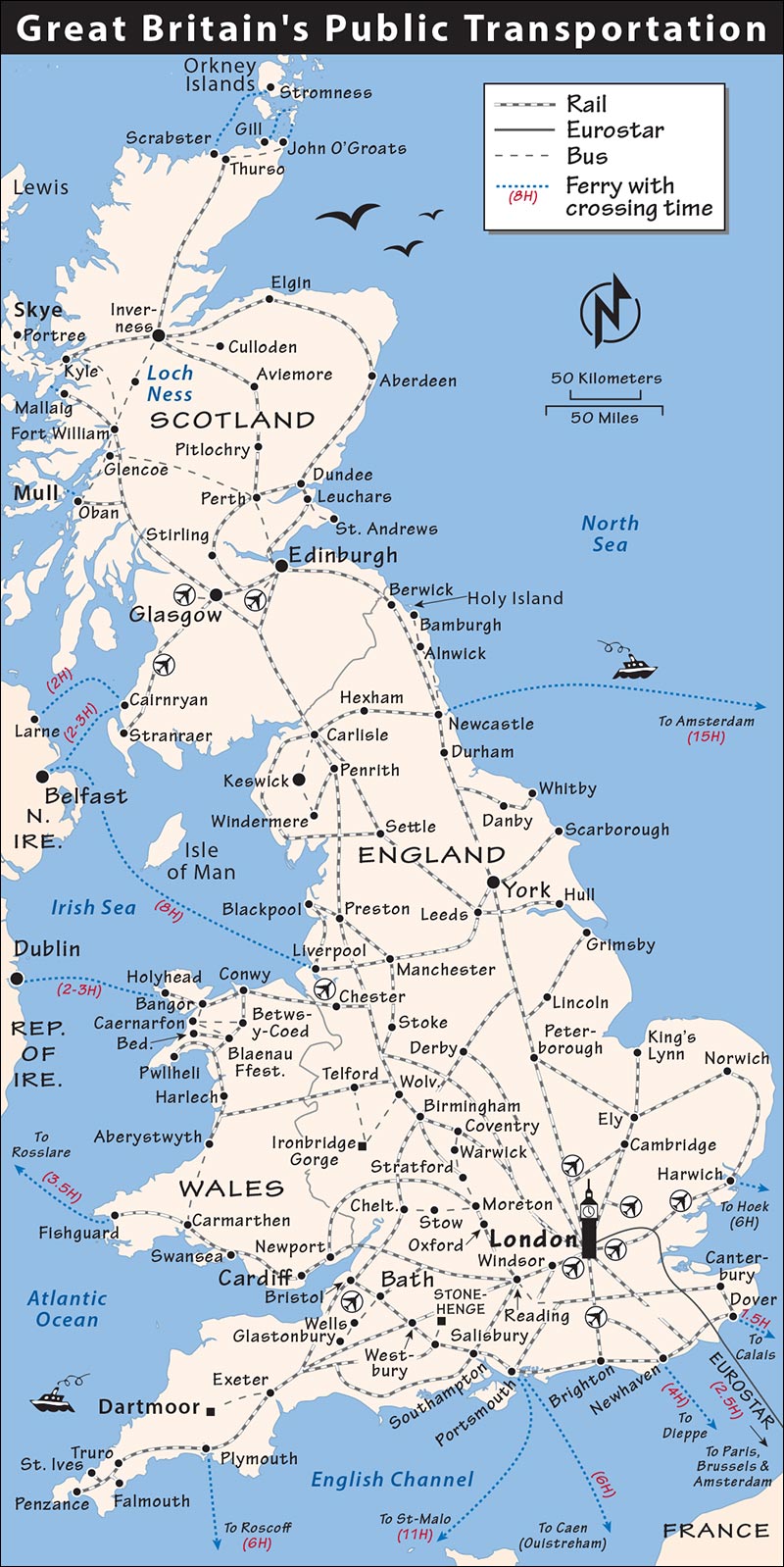
Map: Great Britain’s Public Transportation
TAXIS AND RIDE-BOOKING SERVICES
Map: How to Navigate a Roundabout
This chapter covers the practical skills of European travel: how to pay for things, sightsee efficiently, find good-value accommodations, eat affordably but well, use technology wisely, and get between destinations smoothly. For even more in-depth information on these topics, see ricksteves.com/travel-tips. And for a full rundown of the wealth of free trip-planning content and resources available on my website, see the sidebar on here. You can also follow me on Facebook, Instagram, and other social media channels.
Travel Tips
Entry Requirements: Before traveling, check the latest entry requirements and any advisories for your destination at travel.state.gov (US State Department travel pages). The US embassy website for Great Britain is another good source of information (see later).
In addition to your passport, US and Canadian citizens traveling to (or through) the United Kingdom (England, Scotland, Wales, Northern Ireland) are required to register for an Electronic Travel Authorization (ETA). An application and a small fee are required for each traveler, regardless of age. Once approved, the authorization is electronically linked to your passport. It’s wise to take care of this minor bureaucratic hassle a week or two before your trip. For more information, see gov.uk/visas-immigration.
If your travel plans include any “Schengen Zone” countries (most of the European Union), you may also need to register with the European Travel Info and Authorization System (ETIAS, travel-europe.europa.eu/etias [URL inactive]).
Tourist Information: Before your trip, start with the Visit Britain website, which contains a wealth of knowledge on destinations, activities, accommodations, and transport in Great Britain (visitbritain.com). Transportation, sightseeing, and theater tickets can also be purchased (visitbritainshop.com/usa).
In Britain, a good first stop is generally the tourist information office (abbreviated TI in this book). London has only one official brick-and-mortar TI, specific to the City of London (near St. Paul’s Cathedral—see here).
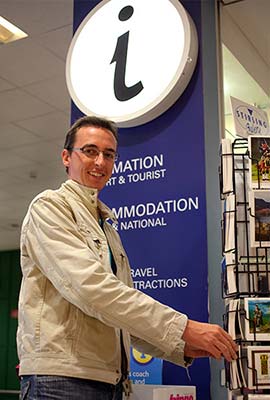
Due to funding constraints, some of Britain’s TIs are struggling; village TIs may be staffed by volunteers who need to charge you for maps and informational brochures.
Holidays and Festivals: For a list of festivals and national holidays observed throughout Great Britain, see ricksteves.com/festivals. Before planning a trip around a festival, verify the dates with the festival website or the national tourist office.
Throughout Britain, hotels get booked up during Easter week; over the early May, spring, and summer Bank Holidays; and during Christmas, Boxing Day, and New Year’s Day. On Christmas, virtually everything shuts down—even the Tube in London. Museums also generally close on December 24 and 26.
Many British towns have holiday festivals in late November and early December, with markets, music, and entertainment in the Christmas spirit (for instance, Keswick’s Victorian Fayre). Throughout the summer, communities small and large across Scotland host their annual Highland Games—a wonderful way to get in touch with local culture and traditions (for more on the games, see here).
Emergency and Medical Help: For any emergency service—ambulance, police, or fire—call 112 or 999. If you get sick, do as the locals do and go to a pharmacy where you can see a “chemist” (pharmacist) for advice. Local hospitals have good-quality 24-hour emergency care centers (called an A&E—Accident and Emergency), where any tourist who needs help can be seen by a doctor. Visitors can also seek medical help at an Urgent Treatment Center (UTC). Or ask at your hotel for help—they’ll know of the nearest medical and emergency services.
Theft or Loss: To replace a passport, you’ll need to go in person to a consulate (see next). If your credit and debit cards disappear, cancel and replace them (see “Damage Control for Lost Cards” on here). File a police report, either on the spot or within a day or two; you’ll need it to submit an insurance claim, and it can help with replacing your passport. For help with a lost phone, see “Damage Control for Lost Phones” on here. For more information, see ricksteves.com/help.
US Consulate and Embassy: Dial +44 20 7499 9000 (all services), no walk-in passport services; for emergency two-day passport service, schedule an appointment or fill out the online Emergency Passport Contact Form, 33 Nine Elms Lane, London, Tube: Vauxhall, uk.usembassy.gov.
High Commission of Canada in London: Dial +44 20 7004 6000, passport services available Mon-Fri 9:30-12:30, Canada House, Trafalgar Square, London, Tube: Charing Cross, international.gc.ca/country-pays/united_kingdom-royaume_uni.
Time Zones: Britain is five/eight hours ahead of the East/West Coasts of the US—and one hour earlier than most of Continental Europe. For a handy time converter, use the world clock app on your phone.
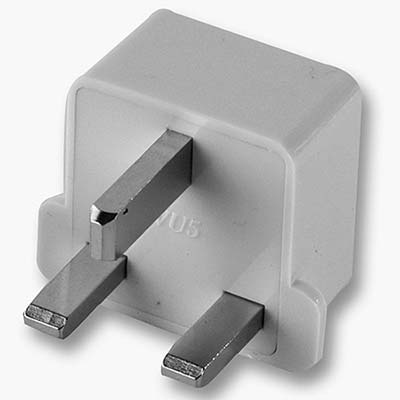
Watt’s up? Britain’s electrical system is 220 volts, instead of North America’s 110 volts. All electronics and most appliances (hair dryers, CPAP machines) convert automatically, so you won’t need a converter, but you will need an adapter plug with three square prongs, sold inexpensively at travel stores in the US.
Rip up this book! Turn chapters into mini guidebooks: Break the book’s spine and use a utility knife to slice apart chapters. Reinforce the chapter spines with clear wide tape, use a heavy-duty stapler, or make or buy a cheap cover (see the Travel Store at ricksteves.com), swapping out chapters as you travel.
Going Green: There’s plenty you can do to reduce your environmental footprint while traveling. When practical, take a train instead of a flight within Europe, and use public transportation within cities. In hotels, use the “Do Not Disturb” sign to avoid daily linen and towel changes (or hang up your towels to signal you’ll reuse them). Bring a reusable shopping tote and refillable water bottle (Europe’s tap water is safe to drink). Skip printed materials that you don’t plan to keep—get your info online instead. To find out how Rick Steves’ Europe is offsetting carbon emissions with a self-imposed carbon tax, see ricksteves.com/about-us/climate-smart.
Money
Here’s my basic strategy for using money wisely in Britain. I pack the following:
Credit Card: You’ll use your credit card for purchases both big and small. Many European businesses have gone cashless, making a card your only payment option.
Debit Card: Use this at ATMs to withdraw a small amount of local cash. Wait until you arrive to get pounds (Britain’s cities have plenty of ATMs); if you buy pounds before your trip, you’ll likely pay bad stateside exchange rates. While many transactions are by card these days, cash can help you out of a jam if your card randomly doesn’t work and can be useful to pay for things like tips and local guides. Cash is used more often in smaller towns. But don’t take out too much, or you may find you can’t use it all.
Backup Card: Some travelers carry a third card (debit or credit; ideally from a different bank) in case one gets lost or simply doesn’t work.
Stash of Cash: I carry $100-200 in US dollars as a cash backup, which comes in handy in an emergency.
BEFORE YOU GO
Know your cards. In Europe, Visa and Mastercard credit cards are universal, while American Express and Discover are less common. Most credit cards are enabled for “contactless” payments (look for the tap-to-pay symbol—four curvy lines). Debit cards with a Visa or Mastercard logo will work in any European ATM.
Set up a payment app. To tap-to-pay with your smartphone or smartwatch, link a credit card to an app such as Apple Pay or Google Pay. Some small businesses (such as market stalls or food stands) accept only contactless payment. If you’ve arrived in Europe without a tap-to-pay card, you can easily set up your phone with a payment app.
Know your PIN. Make sure you know the numeric PIN for each of your cards, both debit and credit. Request it if you don’t have one, as it may be required for some purchases. Allow time to receive the information by mail—it’s not always possible to obtain your PIN online or by phone.
Report your travel dates. Some banks want to know that you’ll be using your cards overseas, specifically when and where you’re headed. Depending on your bank, you can do this either online or over the phone.
Check your ATM withdrawal limit. Find out how much you can withdraw daily and ask for a higher limit if you want to get more cash at once. Note that European ATMs will withdraw funds only from checking accounts, not from savings accounts.
Find out about fees. For any purchase or withdrawal made with a card, you may be charged a foreign transaction fee (1-3 percent). Shop around; you can compare credit cards at bankrate.com. Some cards offer lower international fees than others—and some don’t charge any at all. Most credit unions and some airline loyalty or rewards cards have low or no foreign transaction fees.
IN EUROPE
Using Credit Cards and Payment Apps
Tap-to-Pay Cards and Apps: To make a purchase, simply tap your contactless card or smartphone/watch against a reader. This is by far the easiest way to pay and is available in much of Europe. A PIN is generally required only as a security measure for larger purchases.
Payment Problems. Rarely, a self-service payment machine (such as a transit-ticket kiosk, tollbooth, or fuel pump) may not accept older credit cards. Have some cash handy or look for a cashier who can process your payment manually. When approaching a toll plaza or ferry-ticket line, use the “cash” lane.

Always choose to pay in the local currency: During a credit-card transaction, the payment terminal may ask whether you want to pay in US dollars or in the local currency. Always refuse the conversion and choose the local currency. While this “service”—called Dynamic Currency Conversion (DCC)—offers the illusion of convenience, it comes with a poor exchange rate and/or higher fees, and you’ll wind up losing money.
Using Cash
ATMs: European ATMs work just like they do at home—except they spit out local currency instead of dollars. In Europe, the universal term for an ATM is “bankomat”; in Britain, ask for a “cashpoint.”
Look for an ATM operated by a local bank, ideally one just outside a brick-and-mortar bank (in the rare event that you have any issues).
Beware of ATMs run by exchange or money-transfer companies, which have less-favorable rates and higher fees than banks. These can be marked Euronet, Travelex, Your Cash, and Cashzone—or simply marked generically, as “bankomat” or “ATM.” Rip-off exchange ATMs are often the only option at airports and train stations: On arrival, consider using a credit card to get downtown, then find a real bank’s ATM near your hotel.
If your debit card doesn’t work, try a lower amount—your request may have exceeded your withdrawal limit or the ATM’s limit. If you still have a problem, try a different ATM or come back later. When offered the choice to process your transaction in US dollars or the local currency, always choose the local currency.
Exchanging Cash: Minimize exchanging money in Europe; it’s expensive (you’ll generally lose 5-10 percent). In a pinch, you can find exchange desks at major train stations or airports. Banks generally do not exchange money unless you have an account with them.
Security Tips
Even in “Jollie Olde Britain,” pickpockets target tourists. Keep your passport and backup cash and cards secure in your money belt (or your hotel-room safe) and carry only a day’s spending money and one card in your wallet.
Before inserting your card into an ATM, inspect the front of the machine. If anything looks crooked, loose, or damaged, it could be a sign of a card-skimming device.
Don’t use a debit card for purchases. Because a debit card pulls funds directly from your bank account, potential charges incurred by a thief will stay on your account while your bank investigates.
If accessing your accounts online while traveling, be sure to use a secure connection (see the “Tips on Internet Security” sidebar, later).
Damage Control for Lost Cards
Report the loss of a credit or debit card immediately to your bank (using a secure app) or to one of the following global customer-assistance centers: Visa (+1 303 967 1096), Mastercard (+1 636 722 7111), or American Express (+1 336 393 1111).
You’ll need to provide the primary cardholder’s identification-verification details (such as birth date, mother’s maiden name, or Social Security number). You can generally receive a temporary card within two or three business days in Europe (see ricksteves.com/help for more).
If you report your loss within two days, you typically won’t be responsible for unauthorized transactions on your account, although many banks charge a liability fee.
TIPPING
Tipping in Britain isn’t as automatic and generous as it is in the US. In general, if someone in the tourism or service industry does a good job for you, a small tip of a pound or two is appropriate...but not required.
Restaurants: It’s not necessary to tip if a service charge is included in the bill (common in London—usually 12.5 percent). Otherwise, it’s appropriate to tip about 10 to 12 percent for good service. For details on tipping in restaurants, see here.
Taxis: For a typical ride, round up your fare a bit (maximum 10 percent; for instance, if the fare is £7.40, pay £8). If the cabbie hauls your bags and zips you to the airport to help you catch your flight, you might want to give a little more.
Services: For local guides, private drivers, or others who spend several hours with you—and significantly improve the quality of your trip—a healthy tip (of around 10 percent) is not extravagant. In hotel rooms, leaving a tip of £1-3 per night is standard. If you’re not sure whether (or how much) to tip, ask a local for advice.
GETTING A VAT REFUND
Visitors to the UK are no longer able to get a VAT (value-added tax) refund on purchases made in UK shops. Also, tax-free sales at airports, at Eurostar train stations, and in ports are discontinued. In Great Britain (England, Scotland, and Wales), overseas visitors can still buy items tax-free at stores (that offer this service) if the items are sent directly to an overseas address outside the UK. Visitors to Northern Ireland may shop tax-free if the items are sent directly to an address outside the UK and the EU. As the UK continues to adjust to Brexit, the situation regarding VAT refunds and tax-free shopping could change again. For the latest, check gov.uk/tax-on-shopping/taxfree-shopping.
CUSTOMS FOR AMERICAN SHOPPERS
You can take home $800 worth of items per person duty-free, once every 31 days. Many processed and packaged foods are allowed, including cheeses, dried herbs, jams, baked goods, candy, oil, vinegar, condiments, and honey. Fresh fruits and vegetables and most meats are not allowed, with exceptions for some canned items. As for alcohol, you can bring in one liter duty-free (it can be packed securely in your checked luggage, along with any other liquid-containing items).
To bring alcohol (or liquid-packed foods) in your carry-on bag on your flight home, buy it at a duty-free shop at the airport. You’ll increase your odds of getting it onto a connecting flight if it’s packaged in a “STEB”—a secure, tamper-evident bag. But stay away from liquids in opaque, ceramic, or metallic containers, which usually cannot be successfully screened (STEB or no STEB).
For details on allowable goods, customs rules, and duty rates, visit help.cbp.gov.
Staying Connected
Your phone is an indispensable tool for efficient travel. Fortunately, staying connected in Europe is easy. You can use your devices much like you do at home, either with an international plan or by connecting to free Wi-Fi whenever possible. Another option is to buy a European SIM or eSIM card for your phone (more details at ricksteves.com/phoning).
USING YOUR PHONE IN EUROPE
Prepare your phone. Before your trip, stock your device with any content or apps you’ll want on the road. Helpful tools include your airline’s app, public transit apps, and sight-specific apps (such as museum audioguides). Also download maps if you plan to use off-line navigation, and TV shows or movies to watch on the plane or during downtime.
Sign up for an international plan. Most providers offer a simple bundle that includes calling, messaging, and data. Your normal plan may already include international coverage (for example, T-Mobile’s covers unlimited text and low-speed data, plus reasonable per-minute voice calls).
Use free Wi-Fi whenever possible. In Europe, look for and use Wi-Fi for most online tasks. Most accommodations in Europe offer free Wi-Fi. Many cafés (including Starbucks and McDonald’s) offer hotspots for customers; ask for the password when you buy something. You may also find Wi-Fi at TIs, city squares, major museums, public transit hubs, and airports, and aboard trains and buses. In Britain, another option is to sign up for Wi-Fi access through a company such as EE (one hour-£5, one day-£8, ee-wifi.ee.co.uk) or The Cloud (free though sometimes slow, sky.com/wifi).
Minimize the use of your cellular network. The best way to make sure you’re not accidentally burning through data is to put your device in “airplane” mode (which also disables phone calls and texts), then turn on Wi-Fi and connect as needed. Turn on your cellular network (or turn off airplane mode) only when you can’t find Wi-Fi.
Save large-data tasks for Wi-Fi. If your included data is slow, limited, or expensive, wait until you’re on Wi-Fi to make video calls, download audio tours or apps, stream videos, or do other megabyte-greedy tasks. Navigation apps such as Google Maps require lots of data; download maps when you’re on Wi-Fi, then use the app offline.
Limit automatic updates and uploads. By default, your device constantly checks for a data connection to update app content or back up photos and videos to the cloud. Adjust your settings so this happens only when you’re on Wi-Fi—not when using cellular data.
Use Wi-Fi calling and messaging apps. WhatsApp, FaceTime, and Google Meet are great for making free or low-cost calls or sending texts over Wi-Fi worldwide. WhatsApp is especially popular throughout Europe and is often the easiest way to communicate with guides, drivers, or other local contacts.
Consider buying a European SIM or eSIM card. Both give you a European phone number and access to local calling and data rates. Physical SIM cards can be purchased at mobile-phone shops and inserted into your (unlocked) phone, although some newer phones may not accept physical SIM cards. Electronic SIM cards (or eSIMs) can be purchased online and downloaded.
Damage Control for Lost Phones: Losing your phone can be a significant inconvenience. Before you leave home, make sure your device is set up for automatic cloud backups, and enable the “find my phone” feature (make sure you have access to it from another device, like your travel partner’s phone or a laptop). Familiarize yourself with your phone’s “lost and lock” mode, which you can enable from another device if your phone goes missing. Report the loss to your mobile carrier; if your phone remains lost, use the “wipe” feature to erase its data.
Sightseeing
Sightseeing can be hard work. Use these tips to make your visits to Britain’s finest sights meaningful, fun, efficient, and painless.
MAPS AND NAVIGATION TOOLS
Your best navigation tool is the mapping app on your phone. In addition to driving and walking directions, Google Maps (and similar mapping apps) offers detailed public transit instructions—in most cities you can simply plug in a destination and get details on reaching it by subway, bus, or tram.
To conserve data, most mapping apps let you download maps in advance (do this when you’re on strong Wi-Fi). However, off-line maps may not include every feature, such as real-time traffic updates and journey planning on public transit. For more on using your phone during your trip, see here.
The maps in this book are concise and simple, designed to help you locate recommended destinations, sights, hotels, and restaurants. Simple paper maps are generally free at TIs and hotels; maps with more detail are sold at newsstands and bookstores.
The Rick Steves Britain, Ireland & London City Map is useful for planning (ricksteves.com). For those visiting London, I like Bensons London Street Map, the Rough Guide map to London, and the London A-Z map book.
PLAN AHEAD
Set up an itinerary that allows you to fit in all your must-see sights.
For a one-stop look at opening hours, see this book’s “At a Glance” sidebars for London, Bath, the Cotswolds, Liverpool, the Lake District, York, North Wales, South Wales, Edinburgh, and Glasgow.
Don’t put off visiting a must-see sight—you never know when a place will close unexpectedly for a holiday, strike, or royal audience. Opening days and hours can change; confirm the latest at the sight’s official website (listed throughout this book). Some sights in England—especially those managed by the National Trust—have pricing that fluctuates based on demand; check websites in advance for the day you plan to visit.
Many museums are closed or have reduced hours at least a few days a year, especially on major holidays (see ricksteves.com/festivals for a list of European holidays). In summer, some sights may stay open late. Off-season hours may be shorter.
Plan for rain no matter when you go. The weather can change several times a day, but rarely is it extreme. As the locals say, “There’s no bad weather, only inappropriate clothing.” Bring a jacket and dress in layers.
Going at the right time helps avoid crowds. This book offers tips on the best times to see specific sights. Try visiting popular sights very early or very late. Evening visits (when possible) are usually more peaceful, with fewer crowds. Late morning is usually the worst time to visit a popular sight.
When visiting a popular cruise destination (such as Liverpool, Portsmouth, or Dover), you can use cruisemapper.com to look up any scheduled cruise arrivals—how many ships are coming, how big, and at what time—to be prepared for (and avoid) the worst of the cruise crowds. For example, if multiple ships are staying late into the evening, you’ll want to book ahead for dinner (or eat outside the town center).
If you plan to hire a local guide, reserve ahead by email. Popular guides can get booked up.
Study up. To get the most out of the self-guided tours and sight descriptions in this book, read them before you visit. The British Museum rocks if you understand the significance of the Rosetta Stone.
RESERVATIONS AND ADVANCE TICKETS
Many popular sights come with long ticket-buying lines. Visitors who buy tickets online in advance (or who have a sightseeing pass covering key sights) can skip the line and waltz right in. Advance tickets are generally timed-entry, meaning you’re guaranteed admission on a certain date and time.
For some sights, buying ahead is required (tickets aren’t sold at the sight and it’s the only way to get in). At other sights, buying ahead is recommended to skip the line and save time. And for many sights, advance tickets are available but unnecessary: At these uncrowded sights you can simply arrive, buy a ticket, and go in.
Given how precious your vacation time is, I recommend booking in advance both where it’s required (as soon as your dates are firm) and where it’s recommended to save time in a long line (in some cases, you can do this even on the day you plan to visit). If you do your research, you’ll know the smart strategy. Use my advice in this book as a guide.
When buying online, be sure to use the sight’s official ticketing website (listed in this book); many copycat sites—which can appear quite legitimate—are third-party agencies selling tickets at a steep markup.
After booking, you’ll generally be emailed a digital ticket to scan at the entrance to the sight (if you prefer, you can print it out). Look for the ticket-holders line rather than the ticket-buying line; you may still have to wait in a security line.
SIGHTSEEING PASSES
Many sights in Britain are managed by English Heritage, the National Trust, Cadw (a Welsh organization), or Historic Scotland; the sights don’t overlap. Each organization has a combo-deal that can save some money for busy sightseers.
Membership in English Heritage includes free entry to more than 400 sights in England and discounted or free admission to about 100 more sights in Scotland and Wales. For most travelers, the Overseas Visitor Pass is a better choice than the pricier one-year membership (Visitor Pass: £56/9 days, £66/16 days, discounts for couples and families; membership: £82 for one person, £144 for two, discounts for families, seniors, and students, children under 18 free, english-heritage.org.uk/membership; +44 3703 331 182).
Membership in the National Trust is best suited for garden-and-estate enthusiasts, ideally those traveling by car. It covers more than 500 historic houses, manors, and gardens throughout Great Britain. From the US, it’s easy to join online through the Royal Oak Foundation, the National Trust’s American affiliate (one-year membership: single membership—$80, two-person membership—$125, family and student memberships, royal-oak.org). For more on National Trust properties, see nationaltrust.org.uk.
Cadw’s Explorer Pass covers many sights in Wales (3-day pass: £25.90 for one person, £38.80 for two, £62.20 for a family; 7-day pass available; buy at castle ticket desks, cadw.gov.wales [URL inactive]).
Historic Scotland’s Explorer Pass covers its 70-some properties, including Edinburgh Castle, Stirling Castle, and several sights on Orkney (14-day pass-£50, cheaper off-season, historicenvironment.scot). Even with the pass, you’ll still need to reserve a time slot at popular sights during peak times—especially Edinburgh Castle.
Factors to Consider: An advantage to these deals is that you’ll feel free to dip into lesser sights without considering the cost of admission. But remember that your kids already get in free or cheaply at most places, and people over 60 get discounted prices at many sights. If you’re traveling by car and can get to the remote sights, you’re more likely to get your money’s worth out of a pass or membership, especially during peak season (Easter-Oct), when all the sights are open.
For those without a car, the nonprofit organization Good Journey works with over 500 sights, tour operators, and vendors throughout the UK to offer discounts for visitors who arrive on foot or by public transit. They also offer advice on reaching included destinations by bus or train (goodjourney.org.uk).
AT SIGHTS
Every sight or museum offers more than what is covered in this book. Use the information I provide as an introduction—not the final word. Here’s what you can typically expect at sights:
Discounts: Discounts (called “concessions” or “concs” in Britain) for sights are generally not listed in this book. However, seniors (age 60 and over), youths under 18, and students and teachers with proper identification cards (isic.org) can get discounts at many sights—always ask. Some discounts are available only for British citizens.
Entering: You may not be allowed to enter if you arrive too close to closing time. And guards start ushering people out well before the actual closing time, so don’t save the best for last.
Security Check: Allow extra time for security lines. At some sights, you may need to pass through a metal detector and put your bag through a scanner. Some sights require you to check day packs and coats. (If you’d rather not check your day pack, try carrying it tucked under your arm as you enter.)
At ticket desks, you may see references to “Gift Aid”—a tax-deduction scheme that benefits museums—but this only concerns UK taxpayers.
Photography: If the museum’s photo policy isn’t clearly posted, ask a guard. Generally, taking photos without a flash or tripod is allowed. Some sights ban selfie sticks; others ban photos altogether.
Audioguides and Apps: I’ve produced free, downloadable audio tours for London’s Westminster Walk, the British Museum, St. Paul’s Cathedral, and Historic London: The City Walk, and for Edinburgh’s Royal Mile; look for the  symbol in this book. For more on my audio tours, see here.
Some sights offer audioguides with excellent recorded descriptions. Often you’ll use free Wi-Fi to scan a QR code and access the tour on your phone; less frequently you’ll borrow or rent a device preloaded with the audio content at the museum. Bring your own plug-in earbuds to enjoy better sound (with a splitter, two can often share one rented device).
Tours: Guided tours are most likely to occur during peak season (either for free or for a small fee—figure £5-10—and widely ranging in quality). Some sights also run short introductory videos featuring their highlights and history. These are generally well worth your time and a great place to start your visit.
Expect Changes: Artwork can be on tour, on loan, out sick, or shifted at the whim of the curator. Especially in London, some major museums—including both Tate museums—pride themselves on shuffling around their collections every year or two.
Services: Important sights and cathedrals usually have a reasonably priced on-site café or cafeteria (handy and air-conditioned places to rejuvenate during a long visit—try a cheap “cream tea” for a midafternoon pick-me-up, like the Brits do). The WCs at sights are free and generally clean.
Sleeping
One of my joys as a guidebook writer is connecting my readers with the small-hotel owners I’ve come to know over the years. Even if you’re willing to spend more, you’ll have a far richer trip if you stay in places with a strong sense of local character.
My best tips for booking rooms: Book direct, and book early. While third-party sites and room-booking services may seem convenient, booking directly with my recommended hotels puts you in contact with your host and can sometimes save you (and them) money.
Reserve your accommodations as soon as your itinerary is set, especially if you want to stay at one of my top listings or if you’ll be traveling during busy times. See ricksteves.com/festivals for a list of major holidays and festivals in Great Britain.
USING MY RECOMMENDATIONS
Curated and opinionated listings of good-value rooms are a major feature of this book’s Sleeping sections. Rather than list accommodations scattered throughout a town, I choose hotels in my favorite neighborhoods that are convenient to sights.
My recommendations run the gamut, from dorm beds to luxurious rooms with all the comforts. I like places that are clean, central, relatively quiet at night, reasonably priced, friendly, small enough to have a hands-on owner or manager, and run with a respect for British traditions. I’m more impressed by a handy location and fun-loving philosophy than oversized TVs and a fancy gym. Most of my recommendations fall short of perfection. But if I can find a place with most of these features, it’s a keeper.
RATES AND DEALS
I’ve categorized my recommended accommodations based on price, indicated with a pound-sign rating (see sidebar). Room prices can fluctuate significantly with demand and amenities (size, views, and so on), but relative price categories remain constant. City taxes, which vary from place to place, are generally insignificant (a few dollars per person, per night). In London, breakfast is often not included in quoted hotel rates; you can opt out of the pricey hotel breakfast and get it on your own for less.
In Britain, small bed-and-breakfast places (B&Bs) generally provide the best value, though I also include some bigger hotels. Great Britain has a rating system for hotels and B&Bs. Its stars are supposed to imply quality, but I find they mean only that the place is paying dues to the tourist board. Rating systems often have little to do with value.
Booking Direct: Once your dates are set, compare features and prices at several hotels. Start with the recommendations in this book, then use hotel websites, booking sites such as Booking.com, and user-review sites such as TripAdvisor to narrow your options.
After you’ve zeroed in on your choice, when possible it’s best to book directly with the hotel itself—on the hotel’s website or by email or phone. If paying through the hotel’s website, make sure the final price is listed in pounds and not dollars to avoid an unfavorable exchange rate (see here).
While big booking sites are convenient for travelers, they can be a curse for small, independent, family-run hotels. Without a presence on these sites, small hotels become almost invisible. But to be listed, they must pay a big commission...and promise that their own website won’t undercut the price on the booking-service site.
When you book directly with the hotel, the price may be the same as via a booking site, but more of your money goes to the hotel. In exchange, they may offer you a nicer room or a free breakfast (if it’s not already included). Booking direct also increases the chances that your hotelier will be able to accommodate special needs or requests (such as shifting your reservation).
Getting a Discount: Some hotels extend a discount to those who pay cash or stay longer than three nights. And some accommodations offer a special discount for Rick Steves readers, indicated in this book by the abbreviation “RS%.” Discounts vary: Ask for details when you reserve. Generally, to qualify for this discount, you must book direct (not through a booking site), mention this book when you reserve and show it upon arrival, and sometimes pay cash or stay a certain number of nights. In some cases, you may need to enter a discount code (which I’ve provided in the listing) in the booking form on the hotel’s website. Understandably, discounts do not apply to promotional rates.
Staying in B&Bs and small hotels can save money over sleeping in big hotels. Chain hotels can be even cheaper, but they don’t include breakfast. When comparing prices between chain hotels and B&Bs, remember you’re often getting two breakfasts (about a £25 value) for each double room at a B&B.
TYPES OF ACCOMMODATIONS
Hotels
In cities, you’ll find big, Old World-elegant hotels with modern amenities, as well as familiar-feeling business-class and boutique hotels no different from what you might experience at home. But you’ll also find hotels that are more uniquely European. In towns and smaller cities, you can expect to find good doubles for £80-120 per night, including cooked breakfasts. In bigger cities and at swanky B&Bs and big hotels, you’ll generally pay significantly more.
Prices are extremely (sometimes shockingly) high in London. A hotel under £130 for a double is bare-bones basic, £130-180 is midrange (decent quality but, most likely, with some quirks and compromises at the low end), and for a really “nice” hotel, you may shell out £300-400 or more. If those prices are too steep, consider a chain hotel (see below) or less expensive alternatives (such as Airbnb).
A “twin” room has two single beds; a “double” has one double bed. Some hotels can add an extra bed (for a small charge) to a double; some offer larger rooms for four or more people (I call these “family rooms” in the listings) or have connecting double rooms.
An “en suite” room has a bathroom (toilet and shower/tub) attached to the room; a room with a “private bathroom” can mean that the bathroom is all yours, but it’s across the hall. If money’s tight, ask about a room with a shared bathroom. You’ll almost always have a sink in your room, and as more rooms go en suite, the hallway bathroom is shared with fewer guests.
Note that to be called a “hotel,” a place technically must have certain amenities, including a 24-hour reception (though this rule is loosely applied).
Modern Hotel Chains: Chain hotels—common in bigger cities all over Great Britain—can be a great value (depending on location and season; more expensive in London). These hotels are about as cozy as a Motel 6, but they come with private showers/WCs, elevators, good security, and often an attached restaurant. Branches are often located near the train station, on major highways, or outside the city center.
This option is especially worth considering for families, as kids often stay for free. While most of these hotels have 24-hour reception and elevators, breakfast and Wi-Fi generally cost extra and the service lacks a personal touch (at some, you’ll check in at a self-service kiosk). When comparing your options, keep in mind that for about the same price, you can get a basic room at a B&B that has less predictable comfort but more funkiness and friendliness in a more enjoyable neighborhood.
Room rates change from day to day with volume and vary depending on how far ahead you book. The best deals generally must be prepaid and may not be refundable—read the fine print carefully.
The biggest chains are Premier Inn (premierinn.com) and Travelodge (travelodge.co.uk). Both have attractive deals for prepaid or advance bookings. Other chains operating in Britain include Leonardo Hotels (leonardohotels.co.uk), the French-owned Ibis (ibis.accor.com), and Holiday Inn Express (ihg.com/holidayinnexpress).
Arrival and Check-In: Hotels and B&Bs are sometimes located on the higher floors of a multipurpose building with a secured door. In that case, look for your hotel’s name on the buttons by the main entrance and ring the bell.
Hotel elevators are common, though small, and some older buildings still lack them. If stairs are unavoidable, ask the front desk for help carrying your bags up.
At check-in, the receptionist might ask for your passport to scan or photocopy, or they may keep it briefly to copy down the information they need. If you’re not comfortable leaving your passport at the desk, bring a copy to hand over instead.
If you’re arriving in the morning, your room probably won’t be ready. Check your bag safely at the hotel and dive right into sightseeing.
Some hotels offer self check-in. You’ll receive instructions before you arrive with a code for your room (and sometimes for the building’s front door).
In Your Room: Air-conditioning isn’t a given (I’ve noted which of my listings have it), but most places have fans. Electrical outlets may have switches that turn the current on or off; if your appliance isn’t working, flip the switch at the outlet. Some rooms come with a safe, and other hotels have safes at the front desk.
Breakfast and Meals: Your room cost may include a traditional full cooked breakfast (fry-up) or a lighter, healthier continental breakfast. If breakfast isn’t included, it’s sometimes offered as an optional add-on cost when you book online. “Self-catering” accommodations, on the other hand, have kitchen facilities and leave breakfast preparation up to you.
Hotelier Help: Hoteliers can be a good source of advice. Most know their city well and can assist you with everything from public transit and airport connections to finding a good restaurant, the nearest launderette, or a late-night pharmacy.
Hotel Hassles: Even at the best places, mechanical breakdowns occur: Sinks leak, hot water turns cold, toilets may gurgle or smell, the Wi-Fi goes out, or the air-conditioning dies when you need it most. Report your concerns clearly and calmly at the front desk.
If you anticipate night noise being a problem, request a quiet room when you book (it may not be possible to change rooms if you discover this on arrival).
For more complicated problems, don’t expect instant results. Above all, keep a positive attitude. If your hotel is a disappointment, spend more time out enjoying the place you came to see.
B&Bs and Small Hotels
B&Bs and small hotels are generally family-run places with fewer amenities but more character than a conventional hotel. They range from large inns with 15 to 20 rooms to small homes renting out a spare bedroom. Places named “guesthouse” or “B&B” typically have eight or fewer rooms. The philosophy of the management determines the character of a place more than its size and amenities. When possible, I avoid places run as a business by absentee owners. My top listings are run by people who enjoy welcoming the world to their breakfast table.
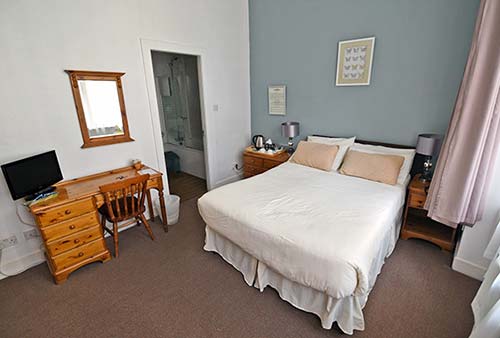
Compared to hotels, B&Bs and guesthouses give you double the cultural intimacy for half the price. While you may lose some of the conveniences of a hotel—such as fancy lobbies and frequent bedsheet changes—I happily make the trade-off for the personal touches, whether it’s joining my hosts for afternoon tea or relaxing by a common fireplace at the end of the day. If you have a reasonable but limited budget, skip hotels and go the B&B way.
B&B proprietors are selective about the guests they invite in for the night. Many do not welcome children. If you’ll be staying for more than one night, you are a “desirable.” In popular weekend-getaway spots, you’re unlikely to find a place to take you for Saturday night only. If my listings are full, ask for guidance. Mentioning this book can help. Owners usually work together and can call up an ally to land you a bed.
Rules and Etiquette: B&Bs and small hotels come with their own etiquette and quirks. Keep in mind that owners are at the whim of their guests—if you’re getting up early, so are they; if you check in late, they’ll wait up for you. Most B&Bs have set check-in times (usually in the late afternoon). If arriving outside that time, they will want to know when to expect you (call or email ahead). Most will let you check in earlier if the room is available (or they’ll at least let you drop off your bag).
Most B&Bs and guesthouses serve a hearty cooked breakfast of eggs and much more (for details on breakfast, see the “Eating” section, later). Because the owner is often also the cook, breakfast hours are usually abbreviated. Typically, the breakfast window lasts for 1 to 1.5 hours (make sure you know when it is before you turn in for the night). Many B&Bs ask you to fill in your breakfast order the night before and select a set time. If selecting a time isn’t required, it’s an unwritten rule that guests shouldn’t show up at the very end of the breakfast period and expect a full cooked breakfast. If you do arrive late (or need to leave before breakfast is served), most establishments are happy to let you help yourself to cereal, fruit, juice, and coffee.
B&Bs and small hotels often come with thin walls and doors, and sometimes creaky floorboards, which can make for a noisy night. If you’re a light sleeper, bring earplugs. And please be quiet in the halls and in your rooms at night...those of us getting up early will thank you for it.
Treat these lovingly maintained homes as you would a friend’s house. Be careful maneuvering your bag up narrow staircases with fragile walls and banisters. And once in the room, use the luggage rack—putting bags on the bed can damage nice bedding.
In the Room: Most B&Bs offer “tea service” in the room—an electric kettle, cups, tea bags, coffee packets, and a pack of biscuits.
Your bedroom probably won’t include a phone, but nearly every B&B has free Wi-Fi. However, the signal may not reach all rooms; you may need to sit in the lounge to access it.
You may encounter unusual bathroom fixtures. The “pump toilet” has a flushing handle or button that doesn’t kick in unless you push it just right: too hard or too soft, and it won’t go. (Be decisive but not ruthless.) If the hot water doesn’t work, you may need to flip a red switch (often located just outside the bathroom).
Paying: Most B&Bs take credit cards but may add a card-service fee to your bill (about 3 percent). If you do need to pay cash for your room, plan ahead to have enough on hand when you check out.
Rooms Above Pubs
Somewhere between a hotel and a B&B, inns attached to pubs are an increasingly popular choice in the UK. Most are in atmospheric old buildings, rooms are often impressively modernized—some reaching five-star level, and there’s a built-in place to eat and drink downstairs. Expect some quirks along with the character (low wood-beam ceilings, lots of stairs, pub noise, and owners busy with both the inn and the pub). I list several scattered throughout this book (the Cotswolds are a particularly good place to find one), but you can also check the website stayinapub.co.uk.
Short-Term Rentals
Short-term vacation rentals offered through Airbnb and other booking sites can be cost-effective, especially for groups or if you’re settling in one location for several nights. Keep in mind that European apartments, like hotel rooms, tend to be small by US standards. But they often come with laundry facilities and small, equipped kitchens, making it easier and cheaper to dine in.
Many places require a minimum stay, have strict cancellation policies, and levy a hefty one-time cleaning or service fee. And you’re generally on your own: There’s no reception desk, breakfast, or daily cleaning service.
Finding Accommodations: Websites such as Airbnb, Booking.com, and Vrbo let you browse a wide range of properties. Alternatively, rental agencies such as interhome.com or rentavilla.com can provide more personalized service (their curated listings are also more expensive). For a list of rental agencies for London, see here.
Before you commit, be clear on the location. I like to virtually “explore” the neighborhood using Google Street View. Consider the proximity to public transportation and amenities that are important to you (elevator, air-con, laundry, parking, etc.). Reviews from previous guests can help identify trouble spots.
Think about the kind of experience you want: just a key and an affordable bed...or a chance to get to know a local? Some hosts offer self check-in and minimal contact; others enjoy interacting with you. Read the description and reviews to help shape your decision.
Confirming and Paying: Many places require payment in full before your trip, usually through the listing site. Be wary of owners who want to take your transaction offline or ask you to wire money, which can be indicators of fraud.
Hostels
Britain has hostels of all shapes and sizes. Hostels can be historic castles or depressing tenements, serene and comfy or overrun by noisy school groups.
A hostel provides cheap beds in dorms where you sleep alongside strangers. Travelers of any age are welcome, and family and private rooms are often available. Most hostels offer kitchen facilities and self-service laundry. Hostels almost always provide bedding, but some charge to rent towels.
Independent hostels tend to be easygoing, colorful, and informal (no membership required; hostelworld.com). You may pay slightly less by booking directly with the hostel.
Official hostels are part of Hostelling International (HI) and share a booking site (hihostels.com). HI hostels typically require that you be a member or else pay a bit more per night. In Britain, these official hostels are run by the Youth Hostel Association (YHA, yha.org.uk); in Scotland they’re run by the Scottish Youth Hostel Association (SYHA, also known as Hostelling Scotland, hostellingscotland.org.uk).
Eating
The stereotype of “bad food in Britain” is woefully dated. Britain has caught up with the fine-food revolution—in fact, they’re right there, leading the vanguard—and I find it’s easy to eat very well here. London, in particular, is one of Europe’s best food destinations.
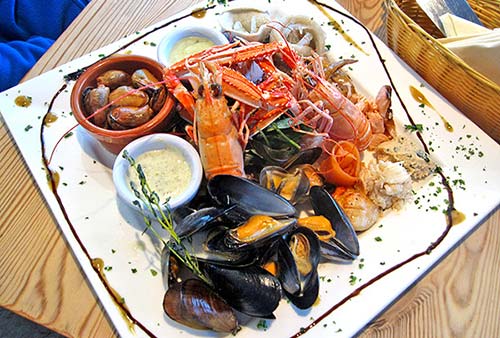
British cooking has embraced international influences and local, seasonal ingredients, making “modern British” food quite delicious. While some dreary pub food still exists, you’ll generally find the cuisine scene here innovative and delicious (but expensive). Basic pubs are more likely to dish up homemade, creative dishes than microwaved pies, soggy fries, and mushy peas. Even traditional pub grub has gone upmarket, with gastropubs that serve locally sourced meats and fresh vegetables.
All of Britain is smoke-free. Expect restaurants and pubs to be nonsmoking indoors, with smokers occupying patios and doorways outside. You’ll find the Brits eat at about the same time of day as Americans.
For listings in this book, I look for restaurants that are convenient to your hotel and sightseeing. When restaurant-hunting, choose a spot filled with locals, not tourists. Venturing even a block or two off the main drag leads to higher-quality food for a better price.
Tipping: At pubs and places where you order at the counter, you don’t have to tip. Regular customers ordering a round sometimes say, “Add one for yourself” as a tip for drinks ordered at the bar—but this isn’t expected. At restaurants and fancy pubs with waitstaff, it’s not necessary to tip if a service charge is already included in the bill (common in London—usually 12.5 percent). Otherwise, it’s appropriate to tip about 10-12 percent; you can add a bit more for finer dining or extra-good service. Tip only what you think the service warrants (if it isn’t already added to your bill), and be careful not to tip double.
RESTAURANT PRICING AND HOURS
I’ve categorized my recommended eateries based on the average price of a typical main course, indicated with a pound-sign rating (see sidebar).
The categories also indicate the personality of a place: Budget eateries include street food, takeaway, order-at-the-counter shops, basic cafeterias, and bakeries. Moderate eateries are nice (but not fancy) sit-down restaurants, ideal for a pleasant meal with good-quality food. Listings that fall in this category are great for a taste of the local cuisine at a reasonable price.
Pricier eateries are a notch up, with more attention paid to the setting, presentation, and (often inventive) cuisine. Splurge eateries typically come with an elegant setting, polished service, and pricey and refined cuisine.
Most of my restaurant listings are open daily for lunch and dinner; I’ve noted exceptions.
BREAKFAST (FRY-UP)
The traditional fry-up or full English/Welsh/Scottish breakfast is famous as a hearty way to start the day. Also known as a “heart attack on a plate,” your standard fry-up is a heated plate with eggs, Canadian-style bacon and/or sausage, a grilled tomato, sautéed mushrooms, baked beans, and sometimes potatoes or kippers (herring). Expect regional variations, such as black pudding (a blood sausage; northern England and Scotland) and a dense potato scone or haggis (Scotland). Toast comes in a rack (to cool quickly and crisply) with butter and marmalade. The meal is accompanied by your choice of tea or coffee. At a B&B or hotel, it may start with juice and cereal or porridge. Many B&B owners offer organic, vegetarian, vegan, gluten-free, or other creative variations on the traditional breakfast.
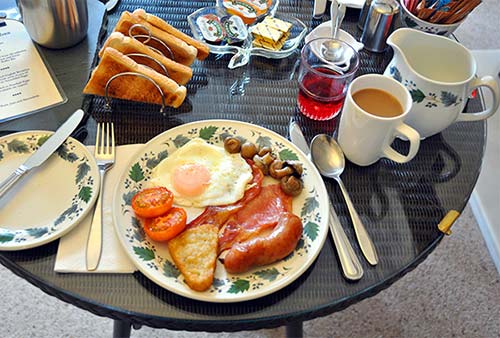
As much as the full breakfast fry-up is a traditional way to start the morning, hotels generally offer a buffet with some mainstays of the fry-up (eggs, sausage, potatoes) as well as healthier yogurt, cereal, fruit, and pastries.
LUNCH AND DINNER ON A BUDGET
Even in pricey cities, plenty of inexpensive choices are available: pub grub, daily lunch and early-bird dinner specials, global cuisine, cafeterias, fast food, picnics, greasy-spoon cafés, cheap chain restaurants, and pizza.
I’ve found that portions are huge, and sharing plates is generally just fine. Ordering two drinks, a soup or side salad, and a £10 meat pie to share can make a good, filling meal. If you’re on a limited budget, share a main course in a more expensive place for a nicer eating experience.
Pub grub is the most atmospheric budget option. You’ll usually get hearty lunches and dinners priced reasonably under ancient timbers (see “Pubs,” later). Gastropubs, with better food, are more expensive.
Classier restaurants have some affordable deals. Lunch is usually cheaper than dinner; a top-end, £40-for-dinner-type restaurant often serves the same quality two-course lunch deals for about half the price.
Many restaurants have early-bird or “pretheatre” specials of two or three courses, often for a significant savings. They are usually available only before 18:30 or 19:00 (and sometimes on weekdays only).
Global cuisine adds spice to Britain’s food scene. Eating Indian, Bangladeshi, Chinese, or Thai is cheap (even cheaper if you do takeout). Middle Eastern shops sell gyros, falafel, and shawarmas (grilled meat in pita bread). An Indian samosa (greasy, flaky meat-and-vegetable turnover) costs about £2 and makes a very cheap, if small, meal. (For more, see “Indian Cuisine,” later.) You’ll find inexpensive, quick Asian options, such as all-you-can-eat buffets and takeaway places serving up standard dishes in to-go boxes.
Fish-and-chips is a heavy, greasy, but tasty British classic. Every town (and every London neighborhood) has at least one “chippy” selling takeaway fish-and-chips in a cardboard box or (more traditionally) wrapped in paper for about £8-10. You can dip your fries in ketchup, American-style, or “go British” and drizzle the whole thing with malt vinegar and/or fresh lemon.

Most large museums (and many historic churches and castles) have handy, moderately priced cafeterias with decent food.
Picnicking saves time and money. Fine park benches and polite pigeons (but greedy gulls) abound in most towns and city neighborhoods. You can easily get prepared food to go. The modern chain eateries on nearly every corner often have simple seating but are designed for takeout. Bakeries serve a wonderful array of fresh sandwiches and pasties (savory meat pastries—sometimes called bridies in Scotland and oggies in Wales). Street markets, generally parked in pedestrian-friendly zones, are fun and colorful places to stock up for a picnic.
Open-air markets and supermarkets sell produce in small quantities. The corner grocery store has fruit, drinks, fresh bread, tasty British cheese, meat, and local specialties. Supermarkets often have good deli sections, even offering Indian dishes, and sometimes salad bars. Decent packaged sandwiches (£3-4) are sold everywhere. Munch a relaxed “meal on wheels” picnic during your open-top bus tour or river cruise to save 30 precious minutes for sightseeing.
PUBS
Pubs are a fundamental part of the British social scene, and whether you’re a teetotaler or a beer guzzler, they should be a part of your travel here. “Pub” is short for “public house.” Each neighborhood has a “local” where everyone gathers. It’s an extended common room where, if you don’t mind the stickiness, you can feel the local pulse. Unfortunately, many city pubs have been afflicted with an excess of brass, ferns, and video slot machines. The most traditional atmospheric pubs are in the countryside and in smaller towns.
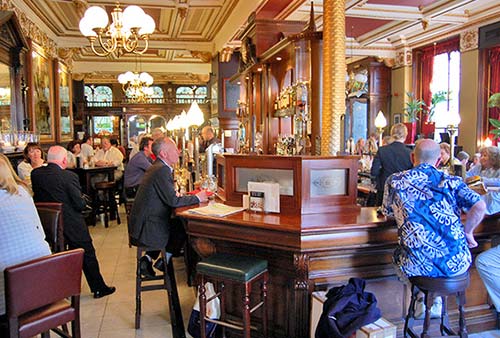
It’s interesting to consider the role pubs filled for Britain’s working class in more modest times: For workers with humble domestic quarters and no money for a vacation, a beer at the corner pub was the closest they’d get to a comfortable living room, a place to entertain, and a getaway. And locals could meet people from far away in a pub—today, that’s you!
Though hours vary, pubs generally serve beer daily from 11:00 to 23:00, though many are open later, particularly on Friday and Saturday. (Children are served food and soft drinks in pubs; 16- and 17-year-olds can drink beer, wine, or hard cider with a meal only if they’re accompanied by an adult.)
A cup of darts is free for the asking. People go to a public house to be social. They want to talk. Get vocal with a local. This is easiest at the bar, where people assume you’re in the mood to talk (rather than at a table, where you’re allowed a bit of privacy).
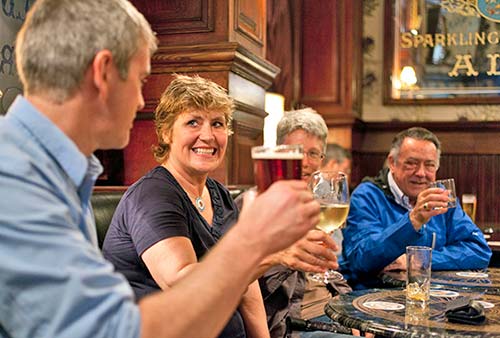
Pub Grub: For £10-18, you’ll get a basic budget hot lunch or dinner in friendly surroundings. In high-priced London, this is your best indoor eating value. (For something more refined, try a gastropub, which serves higher-quality meals for a bit more.) The Good Pub Guide is an excellent resource (thegoodpubguide.co.uk). Pubs that are attached to restaurants, advertise their food, and are crowded with locals are more likely to have fresh food and a chef—and less likely to sell only lousy microwaved snacks.
Pubs generally serve traditional dishes, such as fish-and-chips and assorted meat pies, such as steak-and-kidney pie or shepherd’s pie (stewed lamb topped with mashed potatoes) with cooked vegetables. Side dishes include salads, vegetables, and—invariably—“chips” (french fries). “Crisps” are potato chips. A “jacket potato” (baked potato stuffed with fillings of your choice) can almost be a meal in itself. A “ploughman’s lunch” is a traditional British meal of bread, cheese, and sweet pickles. These days, you’ll likely find pasta, curried dishes, and quiche on the menu in addition to traditional fare. Many pubs (particularly gastropubs) also offer a traditional Sunday roast: typically lamb or beef with Yorkshire pudding (batter baked in the oven) and roast potatoes and vegetables. These are usually served between 12:00-15:00 (sometimes as late as 17:00).
Meals are usually served from 12:00 to 14:00 and again from 18:00 to 20:00—with a break in the middle (rather than serving straight through the day). Since they make more money selling beer, many pubs stop food service early in the evening—especially on weekends. How you order and pay varies. Typically you order—and pay—at the bar, and then take a seat (sometimes you pay before, sometimes after). Some have full table service (the only time it’s necessary to tip). Servings are hearty and service is quick. A beer, cider, or dram of whisky adds another couple of pounds. Free tap water is always available. For details on ordering beer and other drinks, see the “Beverages” section, later. For a list of recommended historic pubs in London, see here.
GOOD CHAIN RESTAURANTS
Several excellent chains with branches across the UK offer long hours, reasonable prices, reliable quality, and a nice break from pub grub. Expect to see these familiar names wherever you go:
£ Pret (aka Pret A Manger) is perhaps the most pervasive of these modern convenience eateries. Some are takeout only, and others have seating ranging from simple stools to restaurant-quality tables. The service is fast, the price is great, and the food is healthy and fresh.
££ Côte Brasserie is a contemporary French chain serving good-value French cuisine in pleasant settings (early dinner specials).
Two £ chains have reliably good coffee and pastries: Paul (French-style, with croissants, other pastries, and baguette sandwiches) and Ole & Steen (Scandinavian, with generous samples of cinnamon rolls). The coffee at either place is typically better than at the ubiquitous British chains Costa and Nero.
££ Le Pain Quotidien is a Belgian chain serving fresh-baked bread and hearty meals in a thoughtfully designed modern-rustic atmosphere.
££ Wagamama, serving pan-Asian cuisine (udon noodles, fried rice, and curry dishes), is a noisy, organic slurpathon. Portions are huge and splittable. There’s one in almost every midsize city in Britain, usually located in a sprawling hall filled with long shared tables and busy servers who scrawl your order on the placemat.
£ Marks & Spencer department stores have inviting deli sections with cheery sit-down eating (along with their popular sandwiches-to-go section). M&S food halls are also handy if you’re renting a city flat and want to prepare your own meals.
££ Busaba and Thai Square (Thai) and Masala Zone (Indian) are all reliable options, each with several locations in London.
££ Franco Manca is a taverna-inspired pizzeria serving Neapolitan-style pies using organic ingredients and boasting typical Italian charm. If you skip the pricey drinks, you can feast cheaply here.
££ Ask and Pizza Express serve quality pasta and pizza in a pleasant, sit-down atmosphere that’s family-friendly.
££ Japanese: Three popular chains serve fresh and inexpensive Japanese food. Itsu and Wasabi are two bright and competitive chains that let you assemble your own plate in a fun and efficient way, while Yo! Sushi lets you pick your dish off a conveyor belt and pay according to the color of your plate.
Carryout Chains: While the following may have some seating, they’re best as places to grab prepackaged food on the run.
Major supermarket chains have smaller offshoot branches that specialize in sandwiches, salads, and other prepared foods to go. These can be a picnicker’s dream come true. Some shops are stand-alone, while others are located inside a larger store. The most prevalent—and best—is M&S Simply Food (an offshoot of Marks & Spencer; there’s one in every major train station). Sainsbury’s Local grocery stores also offer decent prepared food; Tesco Express and Tesco Metro run a distant third.
INDIAN CUISINE
Eating Indian food is “going local” in cosmopolitan, diverse Britain. You’ll find Indian restaurants in most cities, and even in small towns. Indian cuisine is as varied as the country itself, with a symphony of spices—some hot, some sweet—and it’s vegetarian-friendly, offering many meatless dishes.
For a simple meal that costs about £12-15, order one dish with rice and naan (Indian flatbread). Generally, one order is plenty for two people to share. Many Indian restaurants feature a fixed-price combination that offers more variety and is simpler and cheaper than ordering à la carte. For about £20, you can make a mix-and-match platter out of several shareable dishes, including dal (simmered lentils) or samosa (savory fried pastry) as a starter, one or two meat or vegetable dishes with sauce (for example, chicken tikka masala, grilled-fish tandoori, or chickpea chana masala), raita (a cooling yogurt that comes on the side), rice, and naan. Beer (especially from India) is a better choice than wine (though some whites pair well). Tea enthusiasts love to sip spiced chai (usually served with milk), and ending your meal with a lassi (yogurt-based drink) aids in digestion. An easy way to taste a variety of dishes is to order a thali—a sampler plate of various specialties.
AFTERNOON TEA
Once the sole province of genteel ladies in fancy hats, afternoon tea has become more democratic in the 21st century. These days, people of leisure punctuate their day with an afternoon tea at a tearoom. Tearooms, which often serve appealing light meals, are usually open for lunch and close at about 17:00, just before dinner.
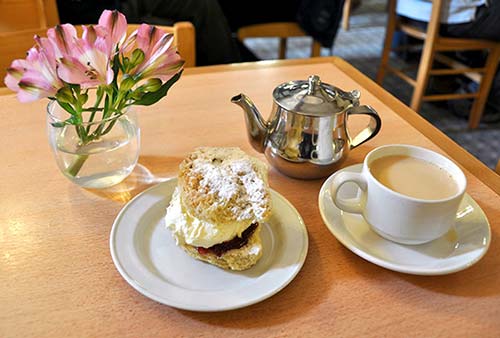
The cheapest “tea” on the menu is generally a “cream tea”; the most expensive is the “champagne tea.” Cream tea is simply a pot of tea and a homemade scone or two with jam and thick clotted cream. (For maximum pinkie-waving taste per calorie, slice your scone thin like a miniature loaf of bread.) Afternoon tea—what many Americans mistakenly call “high tea”—is a pot of tea, small finger foods (such as sandwiches with the crusts cut off), scones with jam and thick clotted cream, and an assortment of small desserts. Champagne tea includes all the goodies, plus a glass of bubbly. High tea to the English traditionally meant a more substantial late afternoon or early evening meal, often served with meat or eggs (now more commonly called supper).
DESSERTS (SWEETS)
To the British, the traditional word for dessert is “pudding,” although it’s also referred to as “sweets” these days. Sponge cake, cream, fruitcake, and meringue are key players.
Trifle is the best-known British concoction, consisting of sponge cake soaked in brandy or sherry (or orange juice for children), then covered with jam and/or fruit and custard cream. Whipped cream can sometimes put the final touch on this “light” treat.
The British version of custard is a smooth, yellow liquid. Cream tops most everything that custard does not. There’s single cream for coffee. Double cream is really thick. Clotted cream is the consistency of whipped butter.
Sticky toffee pudding, with its spongy cake slathered in toffee syrup and whipped (or ice) cream, is a favorite. Fool is a dessert with sweetened pureed fruit (such as rhubarb, gooseberries, or black currants) mixed with cream or custard and chilled. Similarly, Eton Mess consists of fresh fruit (usually strawberries) mixed into whipped cream and meringue.
Flapjacks here aren’t pancakes, but dense, sweet oatmeal cakes (like a cross between a granola bar and a brownie). They come with toppings such as toffee and chocolate.
Scones are tops, and many inns and restaurants have their secret recipes. Whether made with fruit or topped with clotted cream, scones take the cake.
BEVERAGES
Beer: British beers come in a variety of styles, from lagers to ales to bitters to stouts. At the pub, order your beer at the bar and pay as you go, with no need to tip. An average beer costs about £4. Part of the experience is standing before a line of hand pulls and wondering which beer to choose. The long handles are for ales that are “pulled” from casks in the cellar (a traditional method preferred by aficionados); short handles pull from standard beer kegs (for more about this, see the “Britain’s Pub Hub” sidebar on here).
As dictated by British law, draft beer and cider are served by the pint (20-ounce imperial size) or the half-pint (9.6 ounces). In 2011, the government sanctioned an in-between serving size—the schooner, or two-thirds pint (it’s become a popular size for higher-alcohol-content craft beers). A popular summer drink is a shandy (half beer and half British “lemonade,” similar to 7-Up).
Whisky: While bar-hopping tourists generally think in terms of beer, many pubs are just as enthusiastic about serving whisky (common throughout Britain, but especially popular in Scotland). If you are unfamiliar with whisky (what Americans call “Scotch” and the Irish call “whiskey”), it’s a great conversation starter.
A glass of basic whisky generally costs around £3. Find a pub with a passion for whisky, let a local teach you how to drink it “neat,” then add a little water. Make a friend, buy a few drams, and learn by drinking.
Consider going beyond single-malt whiskies. Blends can be surprisingly creative, and nonwhisky alternatives are pushing boundaries. Like microbrews, small-batch, innovative Scottish spirits are trendy right now. For example, you’ll find gin that’s aged in whisky casks, taking off the piney edge and infusing a bit of that distinctive whisky flavor.
Distilleries throughout Scotland offer tours, but you’ll often only learn about that one type of whisky. At a good whisky shop, the knowledgeable staff may offer guided tastings (for a fee), explaining four or five whiskies to help you develop your palate. Some shops have several bottles open and will let you try a few wee drams to narrow down your options. If they’re providing samples, they’re hoping you’ll buy a bottle at the end.
For much more about whisky, see the “Whisky 101” sidebar on here.
Other Alcoholic Drinks: Many pubs also have a good selection of wines by the glass and a fully stocked bar for the gentleman’s “G and T” (gin and tonic). Pimm’s is a refreshing and fruity summer liqueur, traditionally popular during Wimbledon. It’s an upper-class drink—a rough bloke might insult a pub by claiming it sells more Pimm’s than beer.
Nonalcoholic Drinks: Teetotalers can order from a wide variety of soft drinks—both the predictable American sodas and other more interesting bottled drinks, such as ginger beer, root beers, or other flavors (Fentimans brews some unusual options that are stocked in many pubs). There’s also a variety of non-alcoholic beers and ciders.
Transportation
Figuring out how to get around in Europe is one of your biggest trip decisions. Cars work well for two or more traveling together (especially families with small kids), those packing heavy, and those delving into the countryside. Trains and buses are best for solo travelers, blitz tourists, city-to-city travelers, and those who want to leave the driving to others. Short-hop flights within Europe can creatively connect the dots. Be aware of the potential downside of each option: A car is an expensive headache in any major city; with trains and buses you’re at the mercy of a timetable; flying entails a trek to and from a usually distant airport and leaves a larger carbon footprint.
If your itinerary mixes cities and countryside, my advice is to connect cities by train (or bus) and to explore rural areas by rental car. Arrange to pick up your car in the last big city you’ll visit, then use it to lace together small towns and explore the countryside. For more detailed information on transportation throughout Europe, see ricksteves.com/transportation.
TRAINS
Regular tickets on Britain’s great train system (15,000 departures from 2,400 stations daily) are the most expensive per mile in all of Europe. For the greatest savings, book online in advance and leave after rush hour (after 9:30 weekdays).
Since some of Britain’s railways have been privatized, a single train route can be operated by multiple companies. However, one website covers all train lines (nationalrail.co.uk), and another covers all bus and train routes (traveline.info for information, not ticket sales). Another good resource, which also has schedules for trains throughout Europe, is German Rail’s timetable (bahn.com). Britain is in the process of renationalizing its train system; you may see references to “Great British Railways” during booking or travel.
As with airline tickets, British train tickets can come at many different prices for the same journey. A clerk at any station can figure out the cheapest fare for your trip.
While generally not required, seat reservations are free and can normally be made well in advance or up to two hours before train time. They are an especially good idea for long journeys or for travel on weekends or holidays. Make reservations online (generally at the same time that you buy a ticket, but some railways let you add it later), at any train station, or by phone. You must pay to reserve a bed on the Caledonian Sleeper between London and Scotland (sleeper.scot) or Great Western’s Night Riviera between London and Penzance (by phone, +44 34 5700 0125; or in stations).
For information on the high-speed Eurostar train through the “Chunnel” to Paris, Brussels, or Amsterdam, see here.
Rail Passes
Since Britain’s pay-as-you-go train tickets are some of the most expensive in Europe, BritRail passes can pay for themselves quickly, especially if you ride a long-distance train (for example, between London and Scotland). A rail pass offers hop-on flexibility and no need to lock in reservations, except for overnight sleeper cars.
The BritRail pass (covering England, Scotland, and Wales) and the BritRail England-only pass come in “consecutive day” and “flexi” versions, with price breaks for youths (under age 26), seniors (60 and up), and groups of three or more. Most allow one child under 16 to travel free with a paying adult or senior. If you’re exploring the backcountry with a BritRail pass, second class is a good choice since many of the smaller train lines don’t even offer first-class cars.
Other BritRail options include Scotland-only passes, “London Plus” passes (good for travel in most of southeast England but not in London itself), and South West passes (good for the Cotswolds, Bath, Dorset, Devon, and Cornwall, plus part of South Wales).
Most rail passes are delivered electronically: It’s smart to set this up before you leave home and make reservations for sleeper trains. You can make optional, free seat reservations (recommended for busy weekends) at staffed train stations (also available online for LNER departures, mostly running London-York-Newcastle-Edinburgh, lner.co.uk).
If your travels are taking you from Britain to the Continent, the Eurail Global Pass covers trains on both sides of the English Channel and Eurostar trains beneath it (with a paid seat reservation). It’s generally cheaper to buy one pass for your whole trip than separate, single-country passes. Global passes also come in “consecutive day” and “flexi” versions, with price breaks for youths (under age 28) and seniors (60 and up). Up to two kids under 12 travel free with you on an adult-rate pass.
For more detailed advice on figuring out the smartest rail-pass options for your train trip, visit ricksteves.com/rail.
Buying Tickets
In Advance: The best fares go to those who book their trips well in advance (normally available starting 12 weeks out)—savings can be significant. You’ll get the cheapest fare if you lock in a specific time, with a nonrefundable or nontransferable ticket (and the farther you travel, the bigger the discounts). If traveling round-trip on a single line, buy the return ticket at the same time for a big savings over two single (one-way) tickets. Advance booking is best for journeys where you’re confident you’ll make a specific train, otherwise you risk losing money.
You’ll typically see tickets at three price levels: “advance” (valid only on the date and time on the ticket, and sometimes only in the class and seat shown), “off-peak” (flexible outside of rush hours), and “anytime” (valid on any train on the route within a one- or two-day window, or longer on “open return” tickets). For any ticket, read the fine print (or ask) before you purchase.
Here’s an example of how wildly fares can vary on one route: For a London-York round-trip (standard class), the peak “anytime” fare is about £160 (usually paid by business travelers) and up to £130 for “off-peak” timing. However, if you book online at least a week ahead, off-peak and advance-purchase discounts can combine for a rate closer to £70. An “advance” fare for the same ticket booked a couple of months out can cost as little as £30.
To book ahead, you have several options:
Book online at nationalrail.co.uk. Once you select a train, you’ll be transferred to the website of the company that runs that service, where you can book the ticket. (Choose carefully, as it can be tough to change an online reservation.) Electronic tickets (with a scannable QR code) are increasingly available and the easiest choice; otherwise, you may be able to print out your ticket at home, or you can pick it up at the station. (Note that BritRail pass holders cannot make online seat reservations, except on LNER routes.)
Another option is the Trainline app, where you can check schedules and book tickets, which are available on your phone instantly (the only downside may be difficulty making exchanges).
So-called “split ticketing” can sometimes reduce your price by issuing tickets for shorter segments at lower regional fares. This benefit is automatically available when you book travel across Great Britain through scotrail.co.uk, the Scotrail app, or the private TrainSplit app (but not on the National Rail website).
You can also call +44 34 5748 4950 (phone answered 24 hours) to find out the schedule and best fare for your journey; you’ll then be referred to the appropriate vendor—depending on the particular rail company—to book your ticket.
If you’re already in Britain and you’d rather have the flexibility of booking tickets as you go, just swing by any train station and talk to a ticketing agent, who can help you figure out the best option and sell you a ticket straightaway. Plenty of user-friendly ticket machines are also on hand (though it can be harder to decipher the type of ticket you’re buying). You can save a few pounds by buying before 18:00 the day before you depart, traveling after the morning rush hour (this usually means after 9:30 Mon-Fri), and going standard class instead of first class. Preview your options at nationalrail.co.uk or on the Trainline app.
Senior, Youth, Partner, and Family Deals: To get a third off the price of most point-to-point rail tickets in Great Britain for use within a year, seniors can buy a Senior Railcard (ages 60 and up), younger travelers can buy a 16-25 Railcard (ages 16-25, or full-time students 26 and older) or a 26-30 Railcard (ages 26-30), and two people traveling together can buy a Two Together Railcard, paying just one fee (ages 16 and over). A Family and Friends Railcard gives adults about 33 percent off for most trips and 60 percent off for their kids 5-15 (maximum four adults and four kids). Each Railcard costs £35; for non-UK citizens, it’s best to purchase the card at a staffed rail station in England, Scotland, or Wales, or choose digital delivery (to the Railcard app) if you buy it online (also sold at some London airports, some cards require passport-type photo, passport needed for proof of age; see railcard.co.uk).
Using Tickets
Larger British train stations—including in London—have turnstiles for accessing the platforms. You’ll need to insert or scan your ticket both to enter the platform and to leave the platform when you arrive at your destination.
There are two general types of tickets. An electronic ticket or rail pass will appear as a QR code on your smartphone. To open the turnstile, hold this code up to the scanner that sits just below the paper-ticket slot.
If you buy a ticket in person at the station, you’ll get a paper ticket about the size of a credit card. At the turnstile, insert this in the slot (depending on the ticket, it may pop out of another slot for you to reclaim, or it may not). If you purchase a round-trip ticket, you’ll get separate tickets for each leg.
If you have a paper rail pass, simply show it to the attendant at the turnstile and they will let you through.
BUSES
Although buses are about a third slower than trains, they’re also a lot cheaper. And buses go many places that trains don’t. Most domestic buses are operated by National Express (+44 87 1781 8181, nationalexpress.com); international routes are operated by FlixBus (flixbus.com). Note that Brits distinguish between “buses” (for in-city travel with lots of stops) and “coaches” (long-distance cross-country runs)—though for simplicity in this book, I call both “buses.”
A smaller company called Megabus undersells National Express with deeply discounted promotional fares—the further ahead you buy, the less you pay (some trips for just £1.50, megabus.com). While Megabus can be much cheaper than National Express, they tend to be slower than their competitor and their routes mainly connect cities, not smaller towns.
Most long-haul domestic routes in Scotland are operated by Scottish Citylink. In peak season, it’s worth booking your seat on popular routes at least a few days in advance (at the bus station or at citylink.co.uk). At slower times, you can just hop on the bus and pay the driver. If you’re taking lots of buses, consider Citylink’s Explorer pass (£66/3 days in 5-day period, £98/5 days in 10-day period, £132/8 days in 16-day period). Some Citylink routes to Argyll, Skye, the Borders, and Northern Highlands are also covered by the Spirit of Scotland BritRail pass.
Buy tickets early if you are traveling on Friday or Sunday evening, when weekend travelers are more likely to make buses sell out.
To ensure getting a ticket—and to save money with special promotions—book your ticket in advance online or over the phone. The cheapest prepurchased tickets usually cannot be changed or refunded and must be booked at least two days ahead. Round-trip bus tickets usually cost less than two one-way fares.
If you want to take a bus from your last destination to the nearest airport, you’ll find that National Express often offers airport buses. Bus stations are normally at or near train stations (in London, the main bus station is a block southwest of Victoria Station).
TAXIS AND RIDE-BOOKING SERVICES
Most British taxis are reliable and cheap. Often, two people can travel short distances by cab for little more than the cost of bus or subway tickets. In many cities, you can use the Freenow app to hail a taxi or private car (like Uber); in London, the Gett app exclusively hails licensed black taxis. This can be a convenient alternative to calling a dispatcher or finding a taxi stand; prices are fixed up-front, and you can pay with a credit card (through the app). For more about taxis in London, see here.
Uber and other ride-booking apps operate in some parts of Europe, and rides can be cheaper than taxis. However, the details may differ from location to location. In some places, Uber works just like back home; in others, the app looks the same, but it hails a regular taxi rather than a private car. Uber is banned in some cities and countries, though sometimes similar companies operate where Uber cannot.
RENTING A CAR
It’s cheaper to arrange most car rentals from the US, so research and compare rates before you go. Most of the major US rental agencies (including Avis, Budget, Enterprise, Hertz, and Thrifty) have offices throughout Europe. Also consider the two major Europe-based agencies, Europcar and Sixt. Consolidators such as Auto Europe (autoeurope.com—or the sometimes-cheaper autoeurope.eu) compare rates at several companies to get you the best deal.
Wherever you book, always read the fine print. Check for add-on charges—such as one-way drop-off fees, airport surcharges, additional driver fees, or mandatory insurance policies—that aren’t included in the quoted price.
Rental Costs and Considerations
If you book well in advance, expect to pay $350-500 for a one-week rental for a basic compact car. Allow extra for supplemental insurance, fuel, tolls, and parking. When selecting a car, don’t be tempted by a larger model, as it won’t be as maneuverable on narrow, winding roads or when squeezing into tight parking lots.
Manual vs. Automatic: Cars with manual transmission are more common in Europe and generally cheaper than automatic. If you need an automatic, it’s wise to book well in advance. An automatic makes sense for most American drivers: With a manual transmission in Britain, you’ll be sitting on the right side of the car and shifting with your left hand...while driving on the left side of the road.
Fuel vs. Electric: Electric cars are becoming more common in Europe and are generally cheaper to rent than fuel-engine cars. Before you select an all-electric vehicle, think carefully about how much you plan to drive each day and where you can recharge.
Age Restrictions: Some rental companies impose minimum and maximum age limits—check the rental policies and rules section of car-rental websites.
Choosing Pickup/Drop-Off Locations: Always check the hours of the locations you choose: Many rental offices close from midday Saturday until Monday morning and, in smaller towns, at lunchtime. When selecting an office, confirm the location on a map. A downtown site might seem more convenient than the airport but could actually be in the suburbs or buried deep in big-city streets. Pedestrianized and one-way streets can make navigation tricky when returning a car at a big-city office or urban train station. Wherever you select, get precise details on the location and allow ample time to find it.
Picking Up Your Car: Before driving off, check the car thoroughly and make sure any dents or scratches are noted on your rental agreement (or take photos of any damage; it’s also smart to create a video, making a loop around the car). Rental agencies in Europe tend to charge for even minor damage, so be sure to mark everything. Find out how your car’s gearshift, lights, turn signals, wipers, dashboard display, and fuel cap function, and know what kind of fuel the car takes (diesel or unleaded). When you return the car, make sure the agent verifies its condition with you.
Be aware that Brits call it “hiring a car,” and directional signs at airports and train stations will read Car Hire.
The AA: The services of Britain’s Automobile Association are included with most rentals (theaa.com), but check for this when booking to be sure you understand its towing and emergency road-service benefits.
Car Insurance Options
When you rent a car in Europe, the price typically includes liability insurance, which covers harm to other cars or motorists—but not the rental car itself. To limit your financial risk in case of damage to the rental, choose one of these options: Buy a Collision Damage Waiver (CDW; also called “loss damage waiver” or LDW by some firms) with a low or zero deductible from the car-rental company (roughly 30-40 percent extra); get coverage through your credit card (essentially “free,” but more complicated if you need to use it); or get collision insurance as part of a larger travel-insurance policy.
Basic CDW costs $15-30 a day and typically comes with a $1,000-2,000 deductible, reducing but not eliminating your financial responsibility. When you reserve or pick up the car, you’ll be offered the chance to “buy down” the deductible to zero (for an additional $10-30/day; this is sometimes called “super CDW” or “zero-deductible coverage”).
If you opt for credit-card coverage, you must decline all coverage offered by the car-rental company—which means they can place a hold on your card to cover the deductible. In case of damage, it can be time-consuming to resolve the charges. Before relying on this option, quiz your card company about how it works. If you’re already purchasing a travel-insurance policy for your trip, adding collision coverage can be an economical choice. Both of these options are typically valid everywhere in Europe except the Republic of Ireland and Italy.
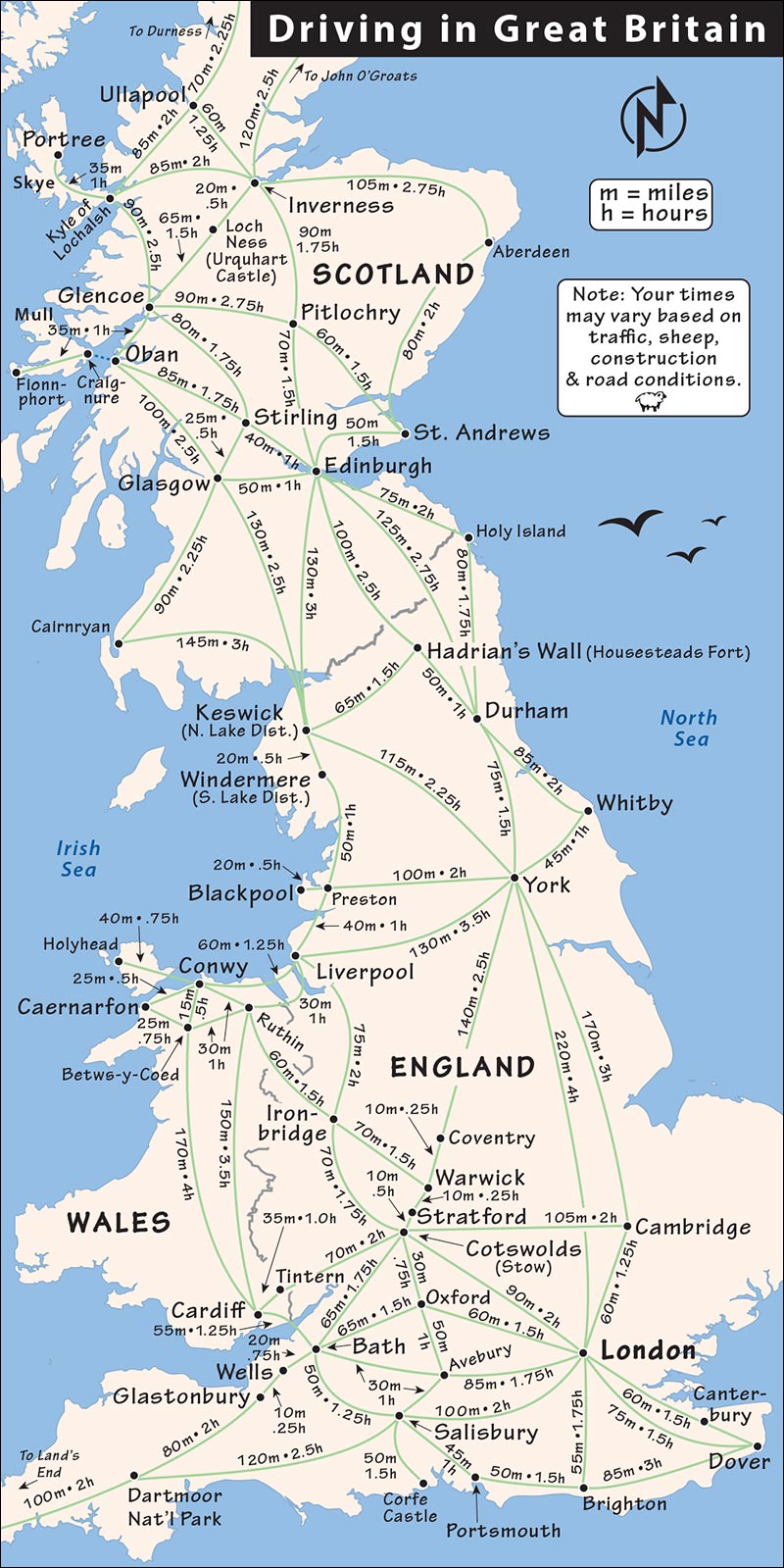
For more on car-rental insurance, see ricksteves.com/cdw.
Navigation Options
Using Your Phone: The mapping app on your phone works fine for navigating Europe’s roads. Remember to bring your phone’s car charger. In newer rental cars, you can plug your phone directly into a USB port (or connect with Bluetooth) and display GPS directions on the car’s dashboard screen.
To save on data, most mapping apps allow you to download maps for offline use (do this before you need them, when you have a strong Wi-Fi signal). Some apps—including Google Maps—provide offline route directions, but you’ll need to be online for current traffic.
Paper Maps and Atlases: Even when navigating primarily with GPS, I always carry a paper map, ideally a big, detailed regional road map. It’s invaluable for getting the big picture, understanding alternate routes, and filling in if my phone’s GPS stops working. It’s smart to buy a good map before you go, or pick one up at a local TI, gas station, bookshop, newsstand, or tourist shop.
Several good road atlases cover all of Britain. Ordnance Survey, Collins, AA, and Bartholomew editions are all available at tourist-information offices, gas stations, and bookstores. The tourist-oriented Collins Touring maps do a good job of highlighting the many roadside attractions you might otherwise drive right past. Before you buy a map, look at it to be sure it has the level of detail you want.
DRIVING IN BRITAIN
Driving here is basically wonderful—once you remember to stay on the left and after you’ve mastered the roundabouts. Every year, however, I get a few notes from traveling readers advising me that, for them, trying to drive in Britain was a nerve-racking and regrettable mistake. If you want to get a little slack on the roads, drop by a gas station or auto shop and buy a green P (probationary driver with license) sign to put in your car window (don’t get the red L sign, which means you’re a learner driver without a license and thus prohibited from driving on motorways).
Many Yankee drivers find the hardest part isn’t driving on the left but steering from the right. Your instinct is to put yourself on the left side of your lane, which means you may spend your first day or two drifting into the left shoulder or curb. It helps to remember that the driver always stays close to the center line.
Road Rules: Be aware of Britain’s rules of the road. Seat belts are mandatory for all, and kids under age 12 (or less than about 4.5 feet tall) must ride in an appropriate child-safety seat. It’s illegal to use a mobile phone while driving—pull over or use a hands-free device. In Britain, you’re not allowed to turn left on a red light unless a sign or signal specifically authorizes it, and on motorways it’s illegal to pass drivers on the left. Ask your car-rental company about these rules, or visit theaa.com and select “Travel.”
Speed Limits: Speed limits are in miles per hour: 30 or 40 mph in town, 70 mph on the motorways, and 60 or 70 mph elsewhere (though, as back home, many British drivers consider these limits advisory). The national sign for the maximum speed is a white circle with a black slash. Motorways have electronic speed-limit signs; posted speeds can change depending on traffic or the weather.
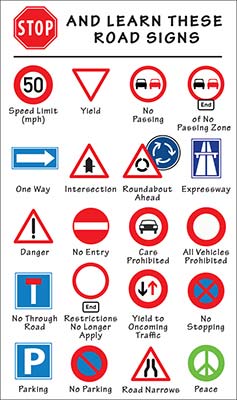
Note that road-surveillance cameras strictly enforce speed limits. Any driver (including foreigners renting cars) photographed speeding will get a nasty bill in the mail. (Cameras—in foreboding gray boxes—flash on rear license plates to respect the privacy of anyone sharing the front seat with someone they shouldn’t.) Signs (an image of an old-fashioned camera) alert you when you’re entering a zone that may be monitored by these “camera cops.”
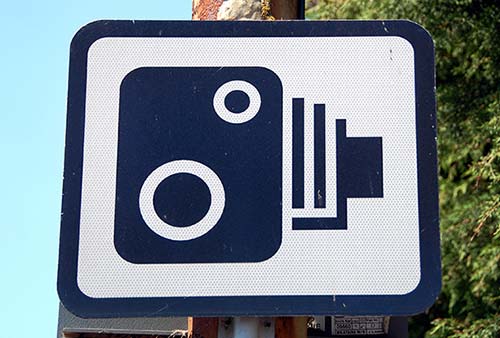
Roundabouts: Don’t let a roundabout spook you. After all, you routinely merge into much faster traffic on American highways. Traffic flows clockwise, and cars already in the roundabout have the right-of-way; entering traffic yields (look to your right as you merge). You’ll probably encounter “double roundabouts”—figure-eights where you’ll slingshot from one roundabout directly into another. Just go with the flow and track signs carefully. When approaching an especially complex roundabout, you’ll first pass a diagram showing the layout and the various exits. And in many cases, the pavement is painted to indicate the lane you should be in for a particular road or town.
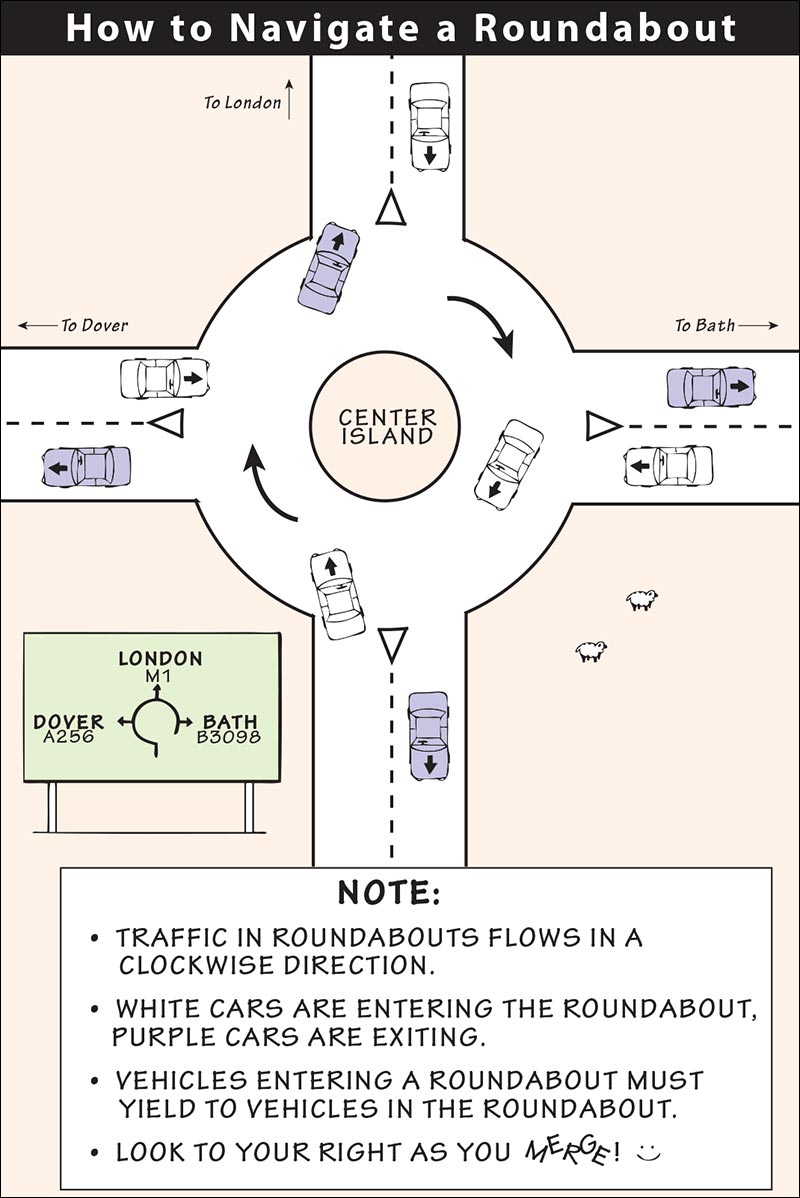
Freeways (Motorways): The shortest distance between any two points is usually the motorway (what we’d call a “freeway”). In Britain, the smaller the number, the bigger the road. For example, the M-4 is a freeway, while the B-4494 is a country road.
Motorway road signs can be confusing, too few, and too late. Miss a motorway exit and you can lose 15 minutes. Study your map or preview your GPS route before taking off. Know the cities you’ll be lacing together, since road numbers are inconsistent. British road signs are not often marked with compass directions (e.g., A-4 West); instead, you need to know what major town or city you’re heading for (A-4 Bath).
Unless you’re passing, always drive in the “slow” lane on motorways (the lane farthest to the left). The British are very disciplined about this; ignoring this rule could get you a ticket (or into a road-rage incident). Remember to pass on the right, not the left.
Rest areas are called “services” and often have a number of useful amenities, such as restaurants, cafeterias, gas stations, shops, and motels.
Fuel: Gas (petrol) costs about $7.50 per gallon and is self-serve. Pump first and then pay; you may have to pay inside. Diesel costs about the same. Diesel rental cars are common; make sure you know what kind of fuel your car takes before you fill up. Unleaded pumps are usually green.
Driving in Cities: Whenever possible, avoid driving in cities. Be warned that London assesses a congestion charge (see here). Most cities have modern ring roads to skirt the congestion. Follow signs to the parking lots outside the city core—most are a 5-to-10-minute walk to the center—and avoid what can be an unpleasant grid of one-way streets (as in Bath) or roads that are available only to public transportation during the day.
Driving in Rural Areas: Outside the big cities and except for the motorways, British roads tend to be narrow. In towns, you may have to cross over the center line just to get past parked cars. Adjust your perceptions of personal space: It’s not “my side of the road” or “your side of the road,” it’s just “the road”—and it’s shared as a cooperative adventure. If the road’s wide enough, traffic in both directions can pass parked cars simultaneously, but frequently you’ll have to take turns—follow the locals’ lead and drive defensively.
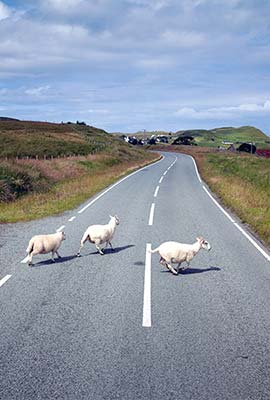
Narrow country lanes are often lined with stone walls or woody hedges—and no shoulders. Some are barely wide enough for one car (one-lane roads are often referred to as “single-track” roads). Go slowly, and if you encounter an oncoming car, look for the nearest pullout (or “passing place”)—the driver who’s closest to one is expected to use it, even if it means backing up to reach it. If another car pulls over and blinks its headlights, that means, “Go ahead; I’ll wait to let you pass.” British drivers—arguably some of the most courteous on the planet—are quick to offer a friendly wave to thank you for letting them pass (and they appreciate it if you reciprocate).
Drivers are required by law to always stick to the left part of the road. In other words, never cross over to a passing place that’s intended for the other lane; rather, wait on the left side, in your own lane, and let the oncoming car use the passing place to get around you. (Some travelers, attempting to be helpful, try to pull over into the oncoming lane’s passing place to get out of their way—but this just confuses the system.)
In general, pull over frequently—to let faster locals pass and to check the map. But don’t park in passing places.
Parking: Pay attention to pavement markings to figure out where to park. One yellow line marked on the pavement means no parking Monday through Saturday during work hours. Double yellow lines mean no parking at any time. Broken yellow lines mean short stops are OK, but you should always look for explicit signs or ask a passerby. White lines mean you’re free to park.
In towns, rather than look for street parking, I generally just pull into the most central and handy pay parking lot I can find. Rates are reasonable by US standards. To pay and display, tap your card, receive a timed ticket, and display it on the dashboard. In some places, you can pay by scanning a QR code and inputting your car’s license plate number, and many offer payment by app (download the PayByPhone and RingGo apps in advance, then input your rental car information as soon as you have a good Wi-Fi signal). Rarely, a machine may take coins but those are few and far between.
Some parking garages (aka car parks) are automated and record your license plate with a camera when you enter. The Brits call a license plate a “number plate” or just “vehicle registration.” The payment machine will use these terms when you pay before exiting.
FLIGHTS
To compare flights to Europe, begin with a search engine such as Google Flights or Kayak, then book directly with your preferred airline. Skyscanner is the best search engine for inexpensive flights within Europe. Before you book, be sure to read the small print about change or cancellation policies and the costs for “extras” such as reserving a seat, checking a bag, or printing a boarding pass.
Flights to Europe: Start looking for international flights about four to six months before your trip, especially for peak-season travel. Depending on your itinerary, it can be efficient and no more expensive to fly into one city and out of another.
Flights Within Europe: Flying between European cities can be surprisingly affordable, though it leaves a larger carbon footprint than a train or bus. Before buying a long-distance train or bus ticket, check the cost of a flight on one of Europe’s airlines, whether a major carrier or a no-frills outfit like EasyJet or Ryanair. Other airlines to consider include Jet2 (jet2.com), TUI Airways (tui.co.uk), and Brussels Airlines (with frequent connections from Heathrow to its Brussels hub, brusselsairlines.com).
Be aware that flying with a discount airline can have drawbacks, such as minimal customer service, strict carry-on size or weight limits, hidden fees (read the fine print carefully), and time-consuming treks to secondary airports.
Conversions
NUMBERS AND STUMBLERS
- Some British people write a few of their numbers differently than we do: 1 =
 , 4 =
, 4 =  , 7 =
, 7 =  .
. - In Europe, dates appear as day/month, so Christmas is 25/12.
- What Americans call the second floor of a building is the first floor in Britain.
- On escalators and moving sidewalks, Brits keep the left “lane” open for passing. Keep to the right.
- To avoid the British version of giving someone “the finger,” don’t hold up the first two fingers of your hand with your palm facing you. (It looks like a reversed victory sign.)
- And please...don’t call your waist pack a “fanny pack” (see the British-Yankee Vocabulary list at the end of this section).
METRIC CONVERSIONS
Britain uses the metric system for nearly everything. Weight and volume are typically calculated in metrics: A kilogram is 2.2 pounds, and one liter is about a quart (almost four to a gallon). Temperatures are given in Celsius.
| 1 foot = 0.3 meter | 1 square yard = 0.8 square meter |
| 1 yard = 0.9 meter | 1 square mile = 2.6 square kilometers |
| 1 mile = 1.6 kilometers | 1 ounce = 28 grams |
| 1 centimeter = 0.4 inch | 1 quart = 0.95 liter |
| 1 meter = 39.4 inches | 1 kilogram = 2.2 pounds |
| 1 kilometer = 0.62 mile | 32°F = 0°C |
IMPERIAL WEIGHTS AND MEASURES
Britain hasn’t completely gone metric. Driving distances and speed limits are measured in miles. Beer is sold as pints (though milk can be measured in pints or liters), and a person’s weight is measured in stone (a 168-pound person weighs 12 stone).
1 stone = 14 pounds
1 British pint = 1.2 US pints
1 imperial gallon = 1.2 US gallons or about 4.5 liters
CLOTHING SIZES
When shopping for clothing, use these US-to-UK comparisons as general guidelines (but note that no conversion is perfect).
Women: For pants and dresses, add 4 (US 10 = UK 14). For blouses and sweaters, add 2. For shoes, subtract 2.5 (US size 8 = UK size 5.5).
Men: For clothing, US and UK sizes are the same. For shoes, subtract about 0.5 (US size 9 = UK size 8.5).
Children: Clothing is sized similarly to the US. UK kids’ shoe sizes are about one size smaller (US size 6 = UK size 5).
British-Yankee Vocabulary
For a longer list, plus a dry-witted primer on British culture, see The Septic’s Companion (Chris Rae). Note that instead of asking, “Can I help you?” many Brits offer a more casual “You alright?” or “You OK there?”
- advert: advertisement
- afters: dessert
- aubergine: eggplant
- bangers and mash: sausage and mashed potatoes
- bap: small roll, roll sandwich
- biro: ballpoint pen
- biscuit: cookie
- black pudding: sausage made with onions, pork fat, oatmeal, and pig blood
- bloody: damn
- bobby, rozzer: policeman (“the Bill” is more common)
- Bob’s your uncle: there you go, there you have it (with a shrug), naturally
- boffin: nerd, geek
- bollocks: all-purpose expletive (a figurative use of testicles)
- bolshy: argumentative, aggressive
- bonnet: car hood
- boot: car trunk
- braces: suspenders
- bridle way: path for walkers, bikers, and horse riders
- brilliant: cool, awesome
- brolly: umbrella
- bubble and squeak: cabbage and potatoes fried together
- candy floss: cotton candy
- caravan: trailer
- car-boot sale: temporary flea market, often for charity
- car park: parking lot
- cashpoint: ATM
- casualty, A&E: emergency room
- cat’s eyes: road reflectors
- ceilidh (KAY-lee): informal evening of song and folk fun (Scottish and Irish)
- cheap and cheerful: budget but adequate
- cheap and nasty: cheap and bad quality
- cheers: goodbye or thanks; also a toast
- chemist: pharmacist
- chippy: fish-and-chips shop; carpenter
- chips: French fries
- chock-a-block: jam-packed
- chuffed: pleased
- clearway: road where you can’t stop
- coach: long-distance bus
- concession, concs: discounted admission
- coronation chicken: curried chicken salad
- cos: romaine lettuce
- cot: baby crib
- cotton buds: Q-tips
- courgette: zucchini
- craic (pronounced “crack”): fun, good conversation (Irish/Scottish and spreading to England)
- crisps: potato chips
- cuppa: cup of tea
- dear: expensive
- digestives: round graham cookies
- dogsbody: menial worker, underappreciated staff
- donkey’s years: ages, long time
- draughts: checkers
- draw: marijuana
- dual carriageway: divided highway (four lanes)
- dummy: pacifier
- elevenses: coffee-and-biscuits break before lunch
- face flannel: washcloth
- faff: bumble (about)
- fairy cake: cupcake
- fancy: to like, to be attracted to (a person)
- fanny: vagina
- fiver: £5 bill
- fixture: sports schedule
- fizzy drink: pop or soda
- flutter: a bet
- football, footie: soccer
- fortnight: two weeks (shortened from “fourteen nights”)
- fringe: hair bangs
- Frogs: French people
- fruit machine: slot machine
- full Monty: whole shebang, everything
- gallery: balcony
- gammon: ham; also an older person with right-wing views
- gangway: aisle
- gaol: jail (same pronunciation)
- gateau (or gateaux): cake
- gear lever: stick shift
- geezer: “dude”
- goods wagon: freight truck
- gormless: stupid
- goujons: breaded and fried fish or chicken sticks
- green fingers: green thumbs
- grotty: unpleasant, lousy
- gutted: deeply disappointed
- half eight: 8:30 (not 7:30)
- hard cheese: bad luck
- hen night (or hen do): bachelorette party
- hoover: vacuum cleaner
- ice lolly: Popsicle
- interval: intermission
- ironmonger: hardware store
- jacket potato: baked potato
- jelly: Jell-O
- jiggery-pokery: nonsense, shenanigans
- Joe Bloggs: John Q. Public
- jumble (sale): rummage sale
- jumper: sweater
- just a tick: just a second
- kipper: smoked herring
- knackered: exhausted (Cockney: cream crackered)
- knickers: ladies’ panties
- knocking shop: brothel
- ladybird: ladybug
- lady fingers: flat, spongy cookie
- lady’s finger: okra
- left luggage: baggage check
- lemonade: lemon-lime soda
- lemon squash: lemonade, not fizzy
- let: rent
- lift: elevator
- loo: toilet or bathroom
- lorry: truck
- mack: mackintosh raincoat
- made redundant: laid off
- mangetout: snow peas
- marrow: summer squash
- mate: buddy (boy or girl)
- mean: stingy
- mental: crazy, wild, memorable
- moggie: cat
- naff: tacky or trashy
- nappy: diaper
- natter: talk on and on
- newsagent: corner store
- nought: zero
- noughts & crosses: tic-tac-toe
- off-licence: liquor store
- on the pull: on the prowl
- OTT: over the top, excessive
- panto, pantomime: silly but fun play performed at Christmas
- pants: (noun) underwear, briefs; (adj.) terrible, ridiculous
- pavement: sidewalk
- pear-shaped: messed up, gone wrong
- people mover: minivan
- pensioner: senior citizen, retiree
- petrol: gas
- pillar box: mailbox
- pissed (rude), bevvied, wellied, popped up, merry, trollied, ratted, rat-arsed, pissed as a newt: drunk
- pitch: playing field
- plaster: Band-Aid
- prat: idiot
- press-on towel: panty liner
- public school: private “prep” school (e.g., Eton)
- publican: pub owner
- pudding: dessert
- pukka: first-class
- punter: customer, especially in gambling
- quid: pound (£1)
- randy: horny
- rasher: slice of bacon
- read: study, as a college major
- return ticket: round-trip
- revising; doing revisions: studying for exams
- rocket: arugula
- rubber: eraser
- rubbish: bad
- satnav: satellite navigation, GPS
- Scotch egg: hard-boiled egg wrapped in sausage meat and fried
- self-catering: accommodation with kitchen
- Sellotape: Scotch tape
- services: freeway rest area
- serviette: napkin
- setee: couch
- shag: intercourse (cruder than in the US)
- shambolic: chaotic
- shandy: lager and 7-Up
- silencer: car muffler
- single ticket: one-way ticket
- single track: country road, often one lane
- skip: dumpster
- sleeping policeman: speed bumps
- smalls: underwear
- snap: photo (snapshot)
- snogging: kissing, necking, making out
- sod: mildly offensive insult
- sod it, sod off: screw it, screw off
- sod’s law: Murphy’s law
- soda: soda water (not pop)
- soldiers: toast sticks for dipping
- solicitor: lawyer
- spanner: wrench
- spend a penny: urinate
- spotted dick: raisin cake with custard
- stag night (or stag do): bachelor party
- starkers: buck naked
- starters: appetizers
- state school: public school
- stone: 14 pounds (weight)
- stroppy: bad-tempered
- subway: underground walkway
- surgical spirit: rubbing alcohol
- suspenders: garters
- swede: rutabaga
- ta: thank you
- take the mickey/take the piss: tease
- tatty: worn out or tacky
- taxi rank: taxi stand
- tenner: £10 bill
- tick: check mark
- tight as a fish’s bum: cheapskate (watertight)
- tin: can
- tip: public dump
- tipper lorry: dump truck
- toad in the hole: sausage dipped in batter and fried
- top hole: first rate
- torch: flashlight
- towpath: path along a river
- trainers: sneakers
- treacle: golden syrup
- twee: quaint, cutesy
- twitcher: bird-watcher
- verge: grassy edge of road
- verger: church official
- wee (verb): urinate
- Wellingtons, wellies: rubber boots
- whacked: exhausted
- whinge (rhymes with hinge): whine
- wind up: tease, irritate
- witter on: gab and gab
- yob, chav, ned: hooligan
- zebra crossing: crosswalk
- zed: the letter Z