GREAT BRITAIN
Great Britain’s Top Destinations
Map: Great Britain’s Top Destinations
Map: Britain’s Best Three-Week Trip by Car
What’s so great about Britain? Plenty. You can watch a world-class Shakespeare play, do the Beatles blitz in Liverpool, and walk along a windswept hill in the footsteps of Wordsworth. Climb cobblestone streets as you wander Edinburgh’s Royal Mile, or take a ferry to a remote isle. Ponder a moody glen, lonesome stone circle, or ruined abbey. Try getting your tongue around a few Welsh words, relax in a bath in Bath, and enjoy evensong at Westminster Abbey. Stroll through a cute-as-can-be Cotswold town, play a round of golf where the sport was invented, and sail along the River Thames past Big Ben. Great Britain has it all.
Regardless of the revolution we had 240-some years ago, many American travelers feel that they “go home” to Great Britain. This popular tourist destination retains a strange influence and power over us.
The isle of Great Britain is small (about the size of Idaho)—600 miles long and 300 miles at its widest point. Its highest mountain (Scotland’s Ben Nevis) is 4,406 feet, a foothill by our standards. The population is a fifth that of the US. But at its peak in the mid-1800s, Great Britain owned one-fifth of the world and accounted for over half of the planet’s industrial output. Today, though its landholdings have greatly diminished, its impact remains huge.
Great Britain is a major global player, with a rich heritage, lively present, and momentous future. Whether its departure from the European Union (“Brexit”) speeds up or slows down its progress, the result is sure to be interesting.
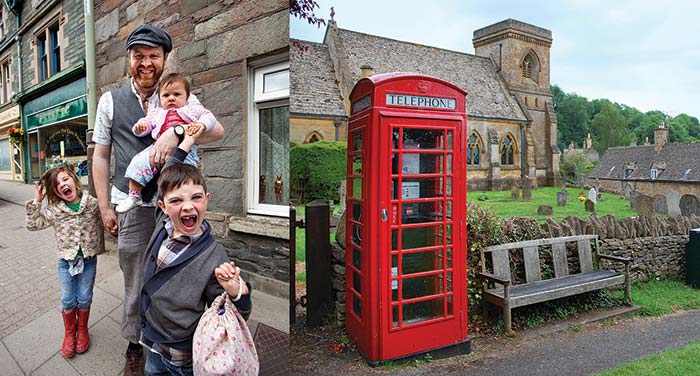
It’s easy to think that “Britain” and “England” are one and the same. But actually, three unique countries make up Great Britain: England, Wales, and Scotland. (Add Northern Ireland and it’s called the United Kingdom—but you’ll need a different guidebook.) Let’s take a quick tour through Great Britain’s three nations.
ENGLAND
England is a cultural, linguistic touchstone for the more than one billion humans who speak English. It’s the core of the United Kingdom: home to four out of five UK citizens, the seat of government, the economic powerhouse, and the center of higher learning.
South England, which includes London, has always had more people and more money than the north. Blessed with rolling hills, wide plains, and the River Thames, this region for centuries was rich with farms and its waterways flowed with trade. Then and now, high culture flourished in London, today a thriving city of around 10 million people.
Known today for its beautiful landscapes, hilly North England tends to have poor soil, so the traditional economy was based on livestock (grazing cows and sheep). In the 19th century, however, as the north became a center of coal mining and iron production, its heartland was dotted with belching smokestacks. But now its working-class cities and ports (such as Liverpool) are thriving, buoyed by tourism, vibrant arts scenes, and higher employment.
England’s economy can stand alongside those of many much larger nations. It boasts high-tech industries (software, chemicals, aviation), international banking, textile manufacturing, and significant beef exports. England is an urban, industrial, and postindustrial colossus, yet its farms, villages, and people are down-to-earth.
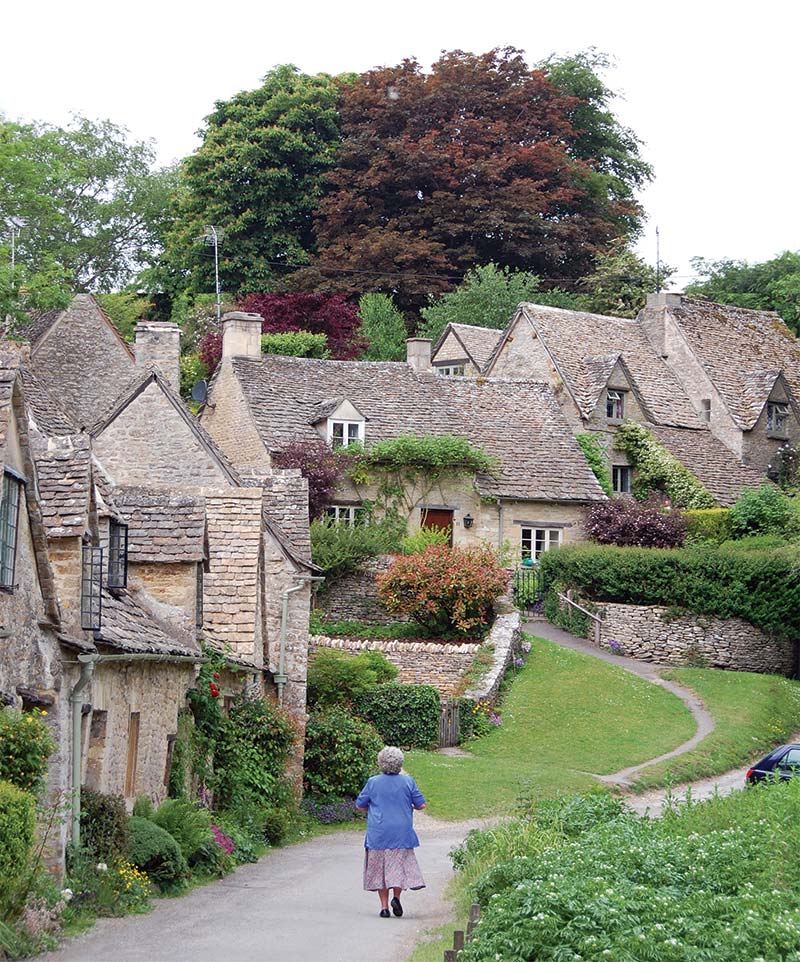
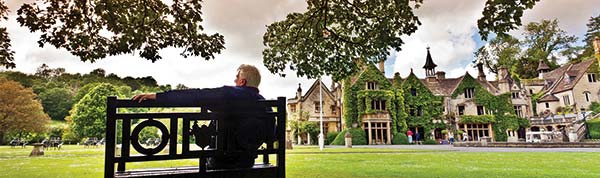
For the tourist, England offers a little of everything we associate with Britain: castles, cathedrals, and ruined abbeys; chatty locals nursing beers in village pubs; mysterious prehistoric stone circles and Roman ruins; tea, scones, and clotted cream; hikes across unspoiled, sheep-speckled hillsides; and drivers who cheerfully wave from the “wrong” side of the road. And then there’s London, a world in itself, with famous cathedrals (St. Paul’s), museums (British Museum), and royalty (Buckingham Palace). London rivals New York as the best scene for live theater and nightlife.
For a thousand years, England has been the cultural heart of Britain. Parliamentary democracy, science (Isaac Newton), technology (Michael Faraday), and education (Cambridge and Oxford) were nurtured here. In literature, England has few peers in any language, producing great legends (King Arthur, Beowulf, and The Lord of the Rings), poetry (by Chaucer, Wordsworth, and Byron), novels (by Dickens, Austen, and J. K. Rowling), and plays (by Shakespeare).
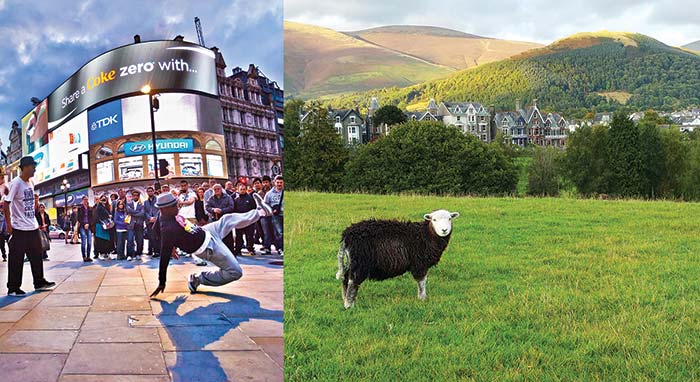
You can trace England’s long, illustrious history as you travel. Prehistoric peoples built the mysterious stone circles of Stonehenge and Avebury. Then came the Romans, who built Hadrian’s Wall and the baths at Bath. Viking invaders left their mark in York, and the Normans built the Tower of London. As England Christianized, the grand cathedrals of Salisbury, Wells, and Durham arose. Next came the castles and palaces of the English monarchs (Windsor) and the Shakespeare sights from the era of Elizabeth I (Stratford-upon-Avon). Then tiny England became a maritime empire (the Cutty Sark at Greenwich) and the world’s first industrial power (Ironbridge Gorge). England’s Romantic poets were inspired by the unspoiled nature and villages of the Lake District and the Cotswolds. In the 20th century, gritty Liverpool gave the world the Beatles. And London in the 21st century is a world-class modern metropolis.
WALES
Humble, charming Wales is traditional and beautiful—it seems trapped in a time warp. At first, you’ll feel you’re still in England, but soon you’ll awaken to the crusty yet poetic vitality of this small country. Don’t ask for an “English breakfast” at your B&B—they’ll politely remind you that it’s a “Welsh breakfast,” made with Welsh ingredients.
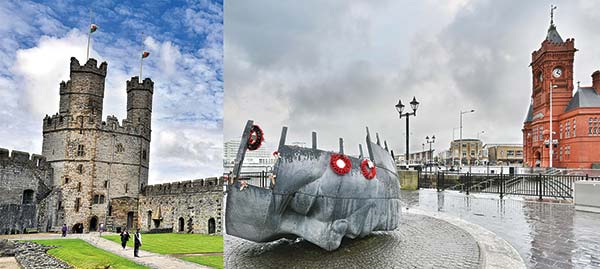
For the tourist, Wales is a land of stout castles (Conwy, Caernarfon, and more), salty harbors, chummy community choirs, slate-roofed villages, and a landscape of mountains, moors, and lush green fields dotted with sheep. Snowdonia National Park is a hiker’s paradise, with steep but manageable mountain trails, cute-as-a-hobbit villages (Beddgelert and Betws-y-Coed), and scenery more striking than most anything in England. Fascinating slate-mine museums (such as at Blaenau Ffestiniog), handy home-base towns (Conwy and Caernarfon), and enticing offbeat attractions round out Wales’ appeal.
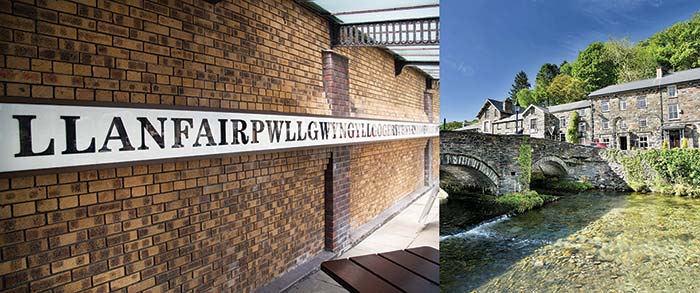
Culturally, Wales is “a land of poets and singers”—or so says the national anthem. From the myths of Merlin and King Arthur to the 20th-century poetry of Dylan Thomas, Wales has a long literary tradition. In music, the country nourishes its traditional Celtic folk music (especially the harp).
You’ll enjoy hearing the locals speak Welsh with one another (before effortlessly switching to English for you). Their tongue-twisting, fun-to-listen-to language, with its mix of harsh and melodic tones, transports listeners to another time and place.
SCOTLAND
Rugged, feisty, and spirited Scotland is the home of kilts, bagpipes, golf, shortbread, haggis, and whisky—to wash down the haggis.
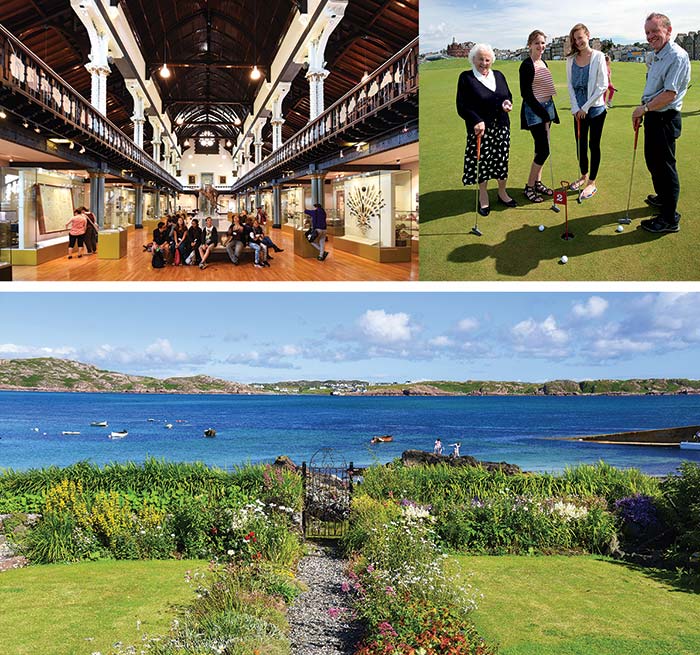
Scotland consists of two parts: the Lowlands (flatter, southern, and urban) and the Highlands (rugged, northern, and remote). The Lowlands star the Scottish capital of Edinburgh, with its bustling Royal Mile and stirring hilltop castle. The underrated city of Glasgow has a friendly, down-to-earth appeal and youthful vibe, while St. Andrews has world-famous golf courses and sandy beaches.
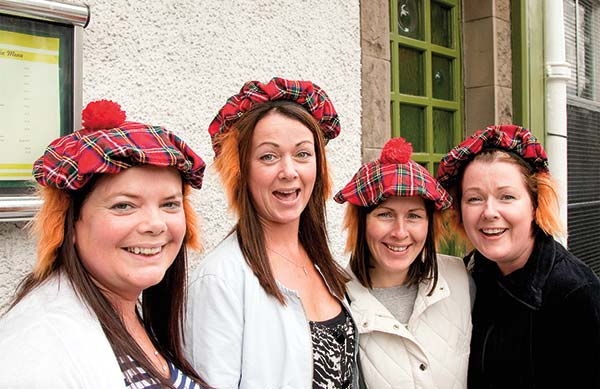
To commune with the traditional Scottish soul, head for the Highlands’ hills, lochs (lakes), castles, and whisky distilleries (where sampling is encouraged). The Highlands are bisected by the engineering marvel of the Caledonian Canal, which includes the famous Loch Ness (wave hi to Nessie). Hardy souls set sail from Oban for nearby islands.
While the Scots are known for their telltale burr and some unique words (aye, just listen for a wee blether), they’re also trying to keep alive their own Celtic tongue: Gaelic (pronounced “gallic”). Few Scots speak Gaelic in everyday life, but legislation protects it, and it’s beginning to appear on road signs. That’s just one small sign of the famously independent Scottish spirit. Since the days of William Wallace, the Scots have chafed under English rule. Thanks to the recent trend of “devolution,” Scotland is increasingly autonomous and has its own parliament.
Whether you’re going to Scotland, Wales, England, or (my choice) all three, you’ll have a grand adventure—and a great experience—in Great Britain. Cheerio!
Great Britain’s Top Destinations
There’s so much to see in Great Britain and so little time. This overview categorizes Britain’s top destinations into must-see places (to help first-time travelers plan their trip) and worth-it places (for those with extra time or special interests). I’ve also suggested a minimum number of days to allow per destination.
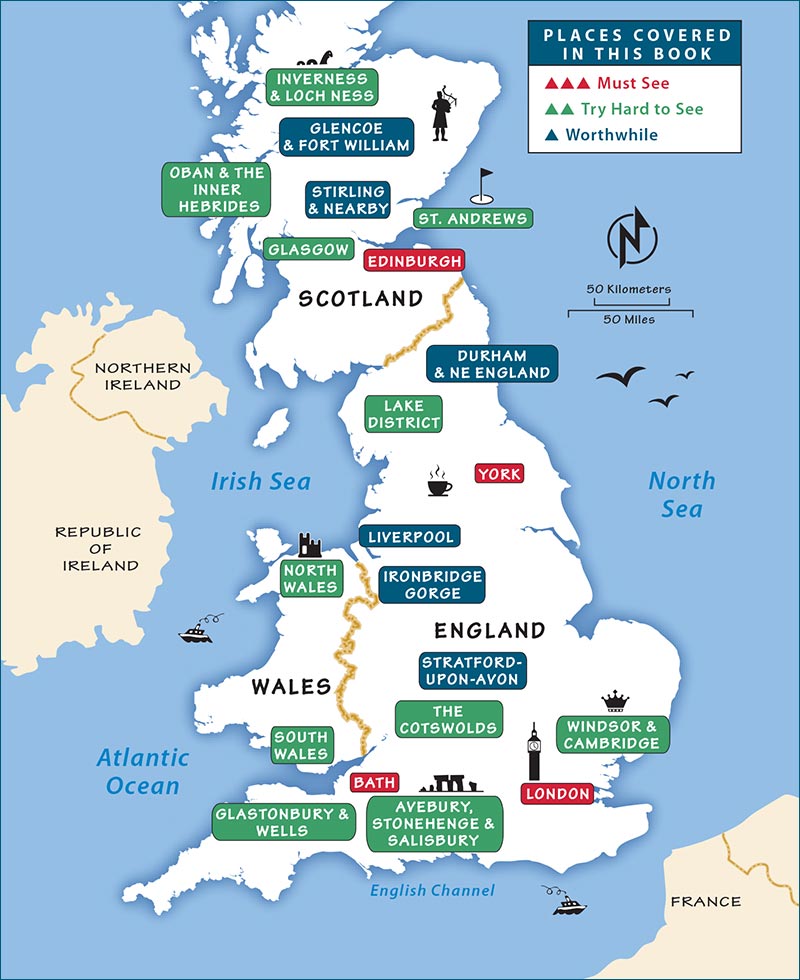

MUST-SEE DESTINATIONS
These top cities give you an excellent, diverse sampler of the best of Great Britain.
▲▲▲London (allow 3-4 days)
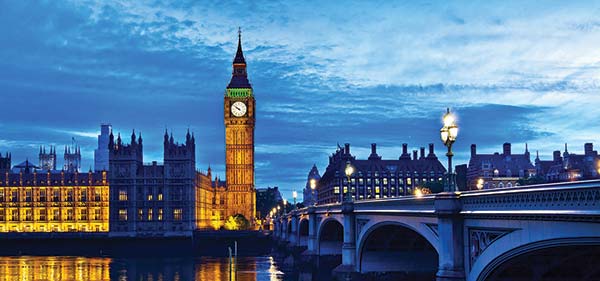
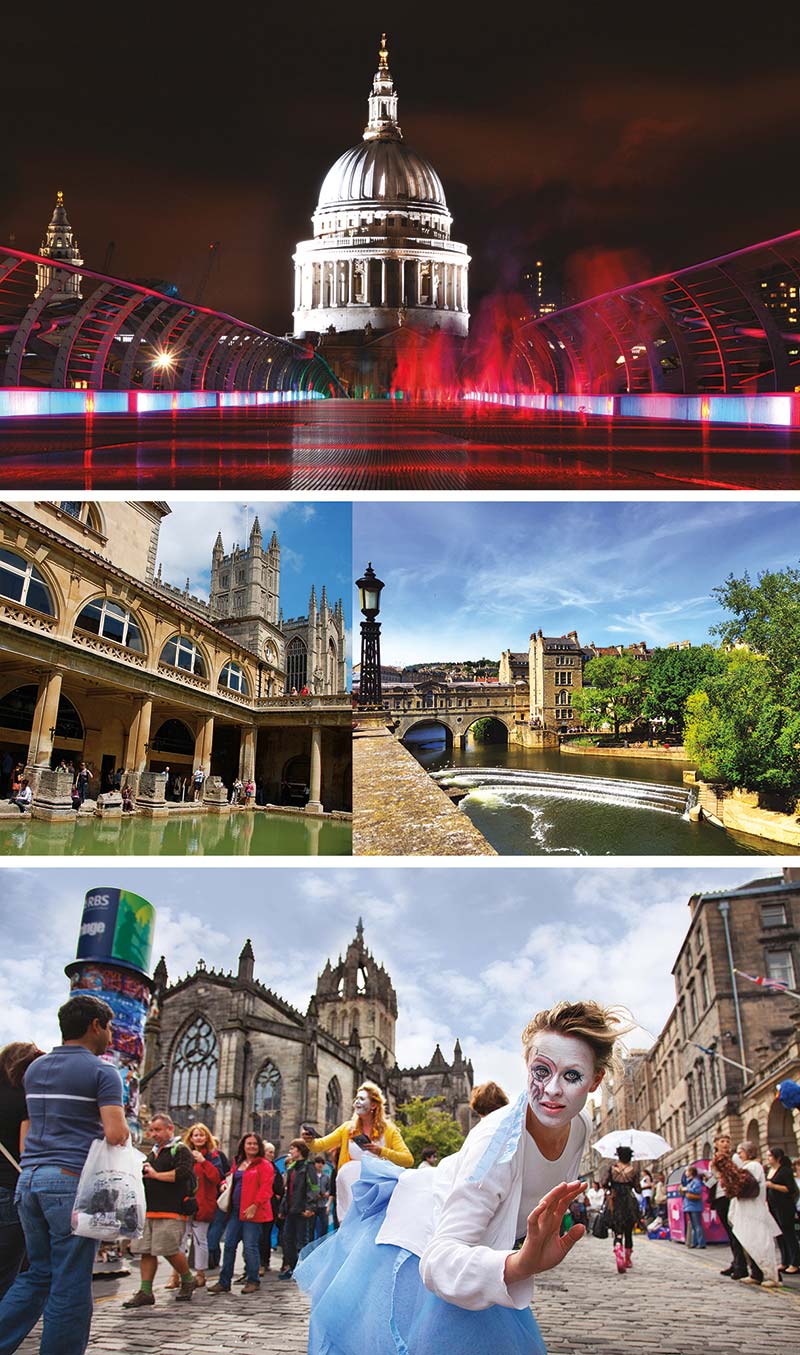
London has world-class museums, bustling markets, and cutting-edge architecture sharing the turf with the Tower of London and St. Paul’s Cathedral. Enjoy London’s cuisine scene, parks, grand squares, and palaces. Live theater takes center stage at night.
▲▲▲Bath (2 days)
Bath is a genteel Georgian showcase city built around an ancient Roman bath. Its glorious abbey, harmonious architecture, engaging walking tours, and small-town feel make it a good candidate for your first stop in Britain. Fun day trips include Glastonbury, Wells, and Stonehenge.
▲▲▲York (1-2 days)
The walled medieval town has a grand Gothic cathedral (with a divine evensong) and fine museums (Viking, Victorian, and railway). Classy restaurants hide out in the atmospheric old center, with its “snickelway” passages and colorful Shambles shopping lane.
▲▲▲Edinburgh (2 days)
The proud, endlessly entertaining Scottish capital has an imposing castle, an attractions-studded Royal Mile, and excellent museums. You’ll see all the clichés (ghost tours, whisky tastings, haggis, bagpipes, and kilts) and enjoy exuberant nightlife, especially during the city’s famous festivals in August, featuring theater, music, and dance.
WORTH-IT DESTINATIONS
You can weave any of these destinations—rated ▲ or ▲▲—into your itinerary. It’s easy to add some destinations based on proximity (if you’re going to the Cotswolds, Stratford-upon-Avon is next door), but some out-of-the-way places (such as Hadrian’s Wall or Inverness) can merit the journey, depending on your time and interests.
ENGLAND
▲▲Windsor and Cambridge (1-2 days)
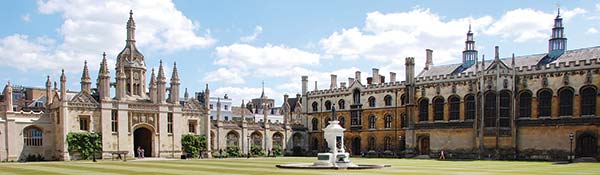
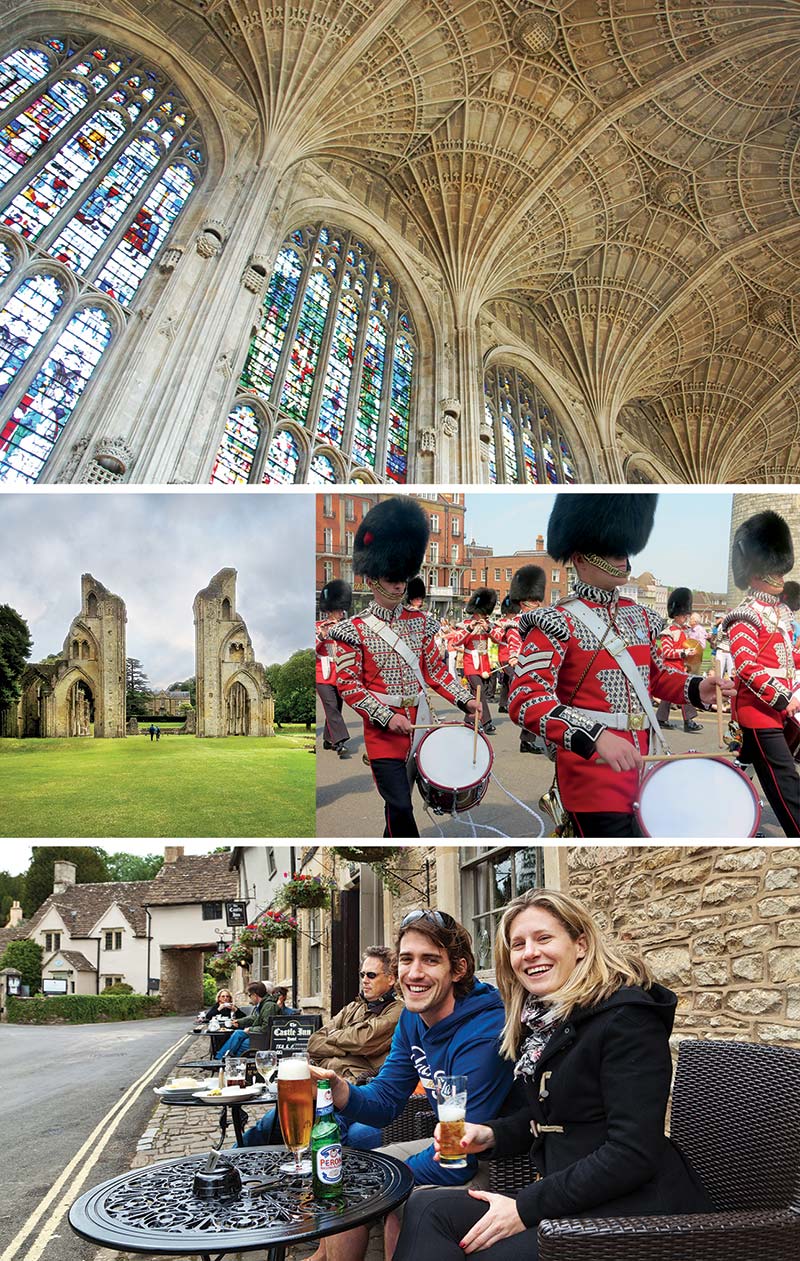
One good day trip from London is Windsor, starring the impressive royal castle. Cambridge, one of England’s best university towns, features the stunning King’s College Chapel and Wren Library.
▲▲Glastonbury and Wells (1 day)
Little Glastonbury has a mystical, New Age vibe, with its Holy Grail and King Arthur lore. The enjoyable town of Wells has an ingeniously fortified cathedral. Both towns are easy to visit from Bath.
▲▲Avebury, Stonehenge, and Salisbury (1 day)
For spine-tingling stone circles, see famed Stonehenge (worth ▲▲▲ on its own) and the smaller, less touristy Avebury. Nearby is Salisbury, with its striking cathedral.
▲▲The Cotswolds (1-2 days)
These quaint villages—the cozy market town of Chipping Campden, popular Stow-on-the-Wold, and the handy transit hub of Moreton-in-Marsh—are scattered over a hilly countryside that’s fun to explore on foot, by bike, or by car.
▲Stratford-upon-Avon (half-day to 1 day)
Shakespeare’s pretty hometown, featuring residences that belonged to the bard and his loved ones, is the top venue for performances of his plays.
▲Ironbridge Gorge (half-day to 1 day)
Boasting the planet’s first iron bridge, this unassuming village was the birthplace of the Industrial Revolution, with sights and museums that tell the world-changing story.
▲Liverpool (1-2 days)
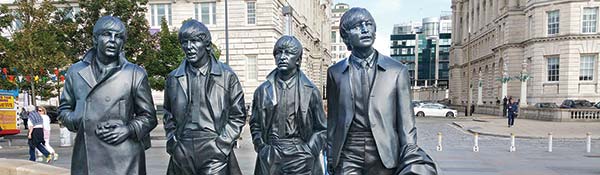
The rejuvenated port city is the Beatles’ hometown, with a host of related sights (including the homes of John and Paul), museums, and pub-and-club nightlife.
▲▲The Lake District (2 days)
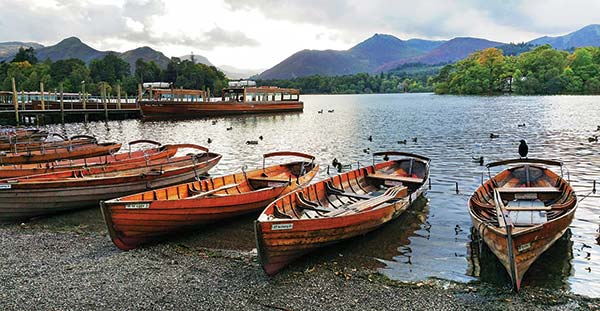
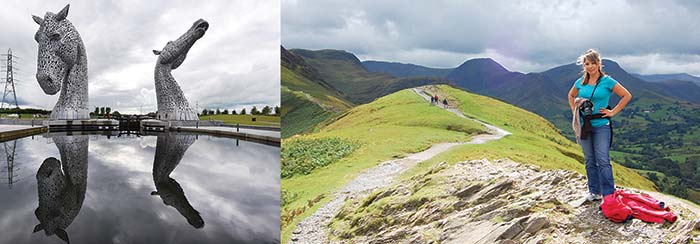
This peaceful region, dotted with lakes, hills, and sheep, is known for its enjoyable hikes, time-passed valleys, and William Wordsworth and Beatrix Potter sights.
▲Durham and Northeast England (1-2 days)
The youthful workaday town has a magnificent cathedral, plus (nearby) an open-air museum and the Roman remains of Hadrian’s Wall.
WALES
▲▲North Wales (1-2 days)
The scenically rugged land features castle towns (Conwy, Caernarfon, and Beaumaris), the natural beauty of Snowdonia National Park, tourable slate mines (Blaenau Ffestiniog), colorful Welsh villages (Beddgelert and Llangollen), and charming locals who speak a tongue-twisting old language.
▲▲South Wales (1-2 days)
The revitalized Welsh capital of Cardiff, poetic Tintern Abbey, castle towns (Caerphilly and Chepstow), and an open-air museum of Welsh culture offer an easy, rewarding look at Wales from Bath or the Cotswolds.
SCOTLAND
▲▲Glasgow (1-2 days)
The best sight of Scotland’s underrated, cultural “second city” may be its chatty, welcoming locals, with its nightlife a close second. The city is a hotbed of Art Nouveau architecture, thanks to native son Charles Rennie Mackintosh.
▲Stirling and Nearby (half-day to 1 day)
Stirling, one of Scotland’s top castles (home of the Stuart kings), overlooks a historic plain, with great sights nearby—from sculptures of giant horse heads to a Ferris wheel for boats to the time-warp village of Culross.
▲▲St. Andrews (1 day)
Famous for golf, this is the only town in Britain where tee time is more prized than teatime. St. Andrews also boasts Scotland’s top university and has a long sandy beach, both of which contribute to the town’s youthful vibe.
▲▲Oban and the Inner Hebrides (1-2 days)
The port town of Oban, with an easy-to-visit distillery, is a handy anchor for boat trips to the isles of the Inner Hebrides: rugged Mull, spiritual Iona, and remote Staffa, with a puffin colony and striking basalt columns.
▲Glencoe and Fort William (half-day to 1 day)
The village of Glencoe is near the stirring “Weeping Glen,” where government Redcoats killed the clansmen who sheltered them. Today the region offers lush Highland scenery and fine hikes, plus the transit-hub town of Fort William.
▲▲Inverness and Loch Ness (half-day to 1 day)
The pleasant regional capital is a launchpad for day trips to Highland sights, including Culloden Battlefield (Scotland’s Alamo) and the famous Loch Ness.
Planning Your Trip
To plan your trip, you’ll need to design your itinerary—choosing where and when to go, how you’ll travel, and how many days to spend at each destination. For general advice on sightseeing, accommodations, restaurants, and more, see the Practicalities chapter.
DESIGNING AN ITINERARY
As you read this book and learn your options...
Choose your top destinations.
My recommended itinerary (on the next page) gives you an idea of how much you can reasonably see in three weeks, but you can adapt it to fit your own interests and speed.
If you enjoy big cities, you could easily spend a week in London (top-notch museums, food, street life, and entertainment); Edinburgh and Glasgow are also engaging and lively. For a slower pace of life, settle in any of Britain’s many appealing towns, such as York, Bath, or Inverness. If villages beckon, linger in the Cotswolds, where time has all but stopped.
Nature lovers get wonderfully lost in the Lake District, Wales, and the Scottish Highlands. Sailors depart from Oban for islands beyond.
Literary fans make a pilgrimage to Stratford-upon-Avon (Shakespeare), Bath (Austen), and the Lake District (Wordsworth and Potter). Beatles fans from here, there, and everywhere head to Liverpool.
History buffs choose their era: prehistoric (Stonehenge), ancient Roman (Bath and Hadrian’s Wall), medieval (York), Industrial Revolution (Ironbridge Gorge), royal (Tower of London, Windsor Castle, Edinburgh Castle), and many more. If you’ve ever wanted to storm a castle before afternoon tea, you’re in the right place.
Decide when to go.
Most tourists visit between May and September for the best weather, longer days, and a busy schedule of tourist fun. July and August see the biggest crowds, especially in cities. Early spring and fall offer decent weather and smaller crowds. Winter travelers encounter fewer tourists and soft room prices (except in London), but sightseeing hours are shorter and the weather is reliably bad. In the countryside, some attractions open only on weekends or close entirely (Nov-Feb). While rural charm falls with the leaves, city sightseeing is fine in winter.
Connect the dots.
Link your destinations into a logical route. Determine which cities you’ll fly into and out of. Begin your search for transatlantic flights at Google Flights or Kayak.
Decide if you’ll travel by car or public transportation, or a combination. A car is helpful for exploring the Cotswolds, Ironbridge Gorge, the Lake District, or the Scottish Highlands (where public transportation can be sparse) but is useless in big cities (park it). Some travelers rent a car for a day or two and use public transportation for the rest.
Trains are faster and more expensive than buses (which don’t run as often on Sundays). Minibus tours can cover regional sights efficiently for travelers without wheels.
For approximate travel times between destinations, study the driving map in the Practicalities chapter or check Google Maps; visit nationalrail.co.uk or traveline.info for train schedules.
If traveling beyond Great Britain, consider taking the Eurostar train (for instance, London to Paris) or a budget flight; check skyscanner.com for flights within Europe.
Work out a day-by-day itinerary.
Figure out how many destinations you can comfortably fit in your time frame. Don’t overdo it—few travelers wish they’d hurried more. Allow enough days per stop (see estimates in “Great Britain’s Top Destinations,” earlier). Minimize one-night stands. It can be worth taking a late-afternoon drive or train ride to settle into a town for two consecutive nights—and gain a full, uninterrupted day for sightseeing. Allot sufficient time for transportation; whether you travel by car or public transit, it’ll take you a half-day to get between most destinations.
Staying in a home base (like London or Bath) and making day trips can be more time-efficient than changing locations and hotels.
Take sight closures into account. Avoid visiting a town on the one day a week its must-see sights are closed. Check if any holidays or festivals fall during your trip—these attract crowds and can close sights (for the latest, visit Britain’s tourist website, visitbritain.com). Note major sights where advance tickets are required (or recommended) or a free Rick Steves audio tour is available.
Give yourself some slack. Every trip, and every traveler, needs downtime for doing laundry, picnic shopping, people-watching, and so on. Pace yourself. Assume you will return.

BEFORE YOU GO
You’ll have a smoother trip if you tackle a few things ahead of time. For more details on these topics, see the Practicalities chapter and ricksteves.com, which has helpful travel-tip articles and videos.
Make sure your travel documents are in order. If your passport expires within six months of your return date, renew it (allow eight weeks for a new passport or renewal). Get passport and country-specific travel info at travel.state.gov.
Travelers from the US and Canada going to (or through) the UK must register for an Electronic Travel Authorization (ETA). Take care of this a week before your trip (required for all ages, gov.uk/visas-immigration). If traveling to any Schengen Zone countries (most of the EU), you may also need to register with the European Travel Info and Authorization System (ETIAS, travel-europe.europa.eu/etias [URL inactive]).
Arrange your transportation. Book your international flights. Figure out your local transportation options. Consider buying train tickets online in advance, getting a rail pass, renting a car, or booking cheap British flights. (You can wing it once you’re there, but it may cost more.)
Book rooms well in advance, especially if your trip falls during peak season or any major holidays or festivals.
Reserve ahead for key sights and experiences. Reservations are smart at most popular London sights. If there’s a show you’re set on seeing in London or Stratford, purchase tickets before you go. At Stonehenge, you’ll need reservations to go inside the circle. To tour the interiors of the Lennon and McCartney homes in Liverpool, reserve ahead.
Edinburgh is crowded in August during festival time; book ahead for events, the Military Tattoo, and Edinburgh Castle. To golf at St. Andrews’ famous Old Course, reserve the preceding fall, or put your name in the “daily ballot” two days before. Book ahead for experiences such as a food tour or hiring a local guide.
Consider travel insurance. Compare the cost of insurance to the cost of your potential loss. Understand what protections your credit card might offer and whether your existing insurance (health, homeowners, or renters) covers you and your possessions overseas.
Manage your money. “Tap-to-pay” or “contactless” credit cards are the simplest way to pay for many things in Europe (you can also set up your smartphone or smartwatch for contactless payments). Don’t bring pounds from home; it’s cheaper to withdraw cash from a bank ATM in Europe.
Use your smartphone smartly. Check what type of international service your carrier offers, or plan to rely on Wi-Fi. Download any apps you’ll want on the road, such as maps and Rick Steves Audio Europe (see sidebar).
Pack light. You’ll walk with your luggage more than you think. I travel for weeks with a single carry-on bag and a day pack. Use the packing checklist on here as a guide.
Travel Smart
If you have a positive attitude, equip yourself with good information (this book), and expect to travel smart, you will.
Read—and reread—this book. To have an “A” trip, be an “A” student. Note opening hours of sights, closed days, crowd-beating tips, and whether reservations are required or recommended. Check the latest at ricksteves.com/update.
Be your own tour guide. As you travel, book in advance for sights, events, and tours; reconfirm hotels; and check transit connections. Upon arrival in a new town, lay the groundwork for a smooth departure; confirm the train, bus, or road you’ll take when you leave.
Outsmart thieves. Pickpockets abound in crowded places—especially where tourists congregate. Treat commotions as smokescreens for theft. Take commonsense precautions with your valuables, especially phones, credit cards, and cash (store them securely). Don’t set important items down on counters or tabletops, where they can be stolen or easily forgotten (and don’t hang day packs on the backs of chairs).
Minimize potential loss. Keep expensive gear to a minimum. Bring copies or take photos of important documents to aid in replacement if they’re lost or stolen. Back up devices to the cloud as you travel.
Guard your time and energy. Taking a taxi can be a good value if you’re too tired to tackle the Tube or wait for a bus. To avoid long lines, follow my crowd-beating tips, such as buying tickets in advance, purchasing a sightseeing pass, or visiting sights early or late.
Be flexible. Even if you have a well-planned itinerary, expect changes, strikes, closures, sore feet, bad weather, and so on. Your Plan B could turn out to be even better.
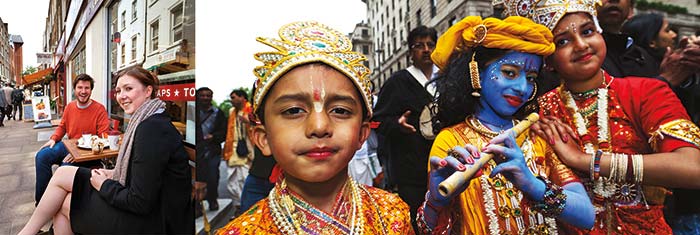
Connect with the culture. Interacting with locals carbonates your experience. Enjoy the friendliness of the British people. Ask questions; most locals are happy to point you in their idea of the right direction. Set up your own quest for the friendliest pub, favorite castle, best London show, or silliest name for a sweet treat. When an opportunity pops up, make it a habit to say “yes.”
Great Britain...here you come!