IRONBRIDGE GORGE
Orientation to Ironbridge Gorge
GETTING AROUND IRONBRIDGE GORGE
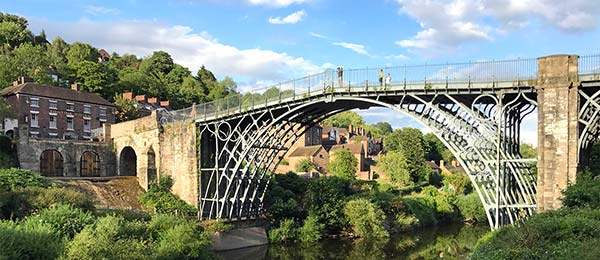
The Industrial Revolution was born in the Severn River Valley. In its glory days, this valley—blessed with abundant deposits of iron ore and coal, and a river for transport—gave the world its first iron wheels, steam-powered locomotive, and cast-iron bridge (begun in 1779). Other industries flourished here, too, from mass-produced clay pipes to delicate porcelain and colorful decorative tiles. The museums in Ironbridge Gorge, which capture the essence of the Victorian age, take you back to the days when Britain was racing into the modern era—and pulling the rest of the West with her.
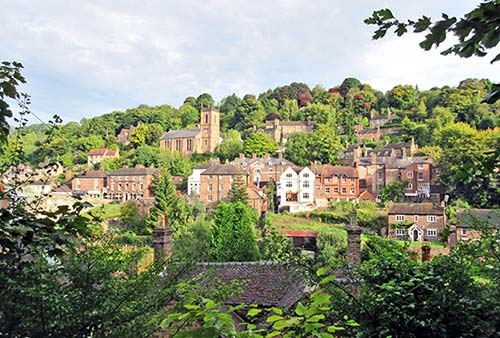
Near the end of the 20th century, the valley went through a second transformation. Photos taken just a few decades ago show an industrial wasteland, but today the Severn River Valley is lush and lined with walks and parkland. Even its bricks, while still smoke-stained, seem warmer and more inviting. Those who come for its “industrial” sights are pleasantly surprised to find an extremely charming corner of England, with wooded hillsides and tidy, time-warp brick villages.
PLANNING YOUR TIME
Without a car, Ironbridge Gorge isn’t worth the headache for most (though I’ve included some tips at the end of this chapter). Drivers can slip it in between the Cotswolds/Stratford and points north (such as the Lake District or North Wales). Speed demons zip in for a midday tour of the Blists Hill Victorian Town, look at the famous Iron Bridge and the quaint town that surrounds it, and head out. For an overnight visit, arrive in the early evening to browse the town, see the bridge, and walk along the river. Spend the morning touring the Blists Hill Victorian Town, have lunch there, and head to your next destination.
Those with more time (or a healthy interest in the Industrial Revolution) can spend two nights and a leisurely day strolling the town and exploring Blists Hill and the many museums, capped by dinner at one of my recommended restaurants.
Orientation to Ironbridge Gorge
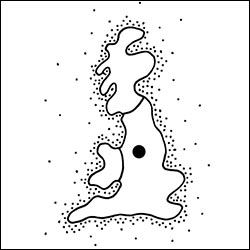
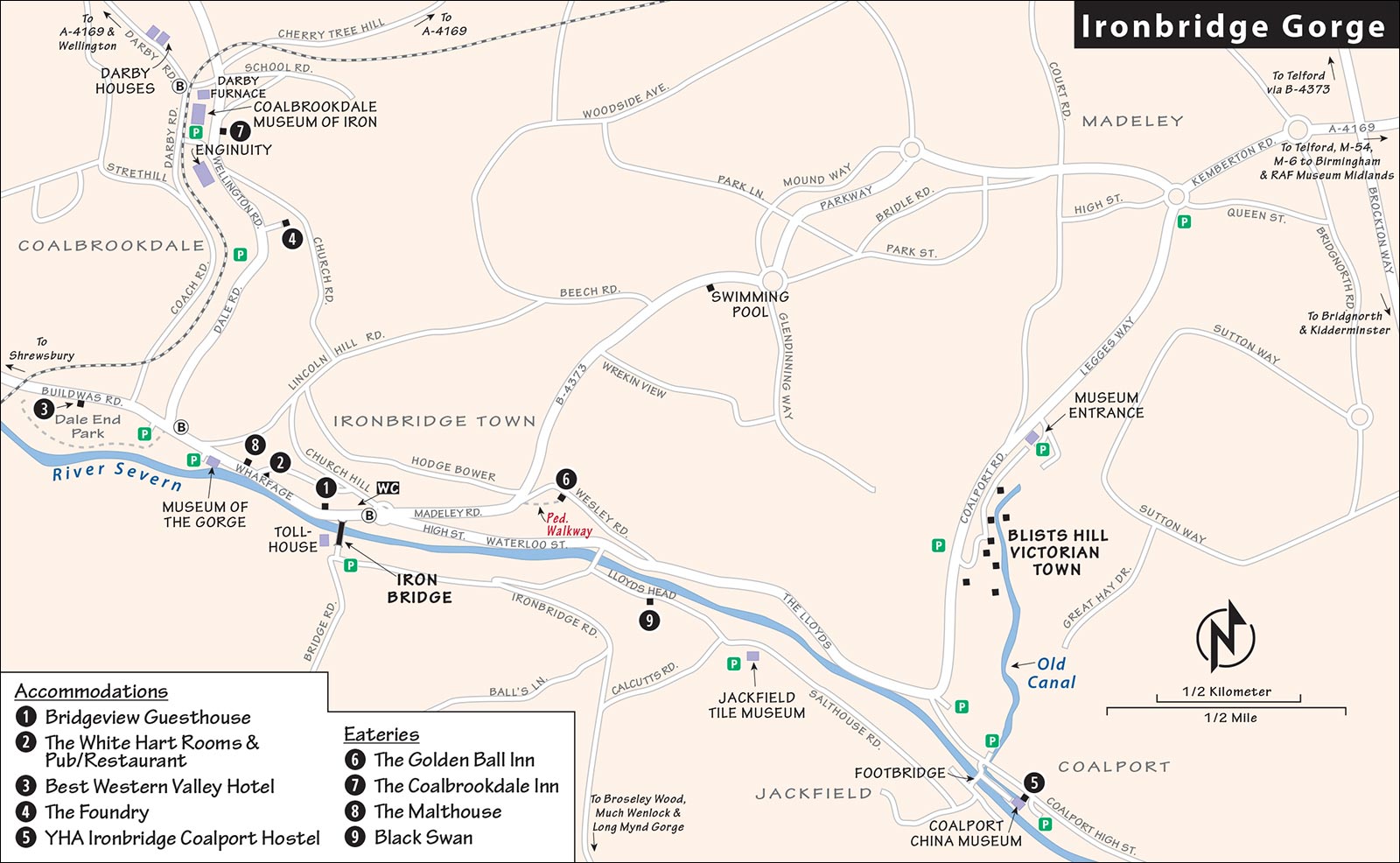
The village of Ironbridge is just a few blocks gathered around the Iron Bridge, which spans the peaceful, tree-lined River Severn. While the smoke-belching bustle is long gone, knowing that this wooded, sleepy river valley was the Silicon Valley of the 19th century makes wandering its brick streets almost a pilgrimage. Other villages—including Coalbrookdale, Jackfield, and Coalport—are scattered along the valley, all within a short drive or a long walk. The museum sights are scattered over three miles; the nearest train station is in Telford, six miles northeast of Ironbridge.
Tourist Information: While there is no official tourist information office in Ironbridge, the staff at the museums can be good sources of information.
GETTING AROUND IRONBRIDGE GORGE
For connections from the Telford train station to the sights, see the end of this chapter.
By Car: Getting around is easiest by car. Routes to the attractions are well signed, so driving is a snap.
By Bus: On weekends in summer (mid-July-mid-Sept), you can link the area’s museums with Gorge Connect park-and-ride buses (£2, every 15 minutes 9:45-17:55; see schedule at telford.gov.uk/ironbridgeparkandride). Wave down the driver if you’re waiting for the Gorge Connect bus on the main road by the bridge or at one of the museums.
By Taxi: Taxis will pick up at the museums and the Telford train station; call Go Carz at +44 1952 980 140.
Sights in Ironbridge Gorge
Multiple museums clustered within a few miles focus on the Iron Bridge and all that it represents—but not all are worth your time. The Blists Hill Victorian Town is by far the best. The Iron Bridge Tollhouse offers general information about the valley’s history, while the Museum of the Gorge houses temporary exhibits. The Coalbrookdale Museum of Iron is interesting to metalheads. Enginuity is for kids. The original Abraham Darby Furnace (free to view, located across from the Museum of Iron) is a shrine to 18th-century technology, while the Darby Houses offer a peek into the innovator’s home life. And the Jackfield Tile Museum and Coalport China Museum delve into industries that picked up the slack when the iron industry shifted away from the Severn Valley in the 1850s.
Visitor Alert: In early 2026, administration of all the Ironbridge Gorge museums transferred from a local trust to the UK’s National Trust. In the short term, some museums may close for refurbishment, and costs and hours may vary from what is listed here. For the most up-to-date information, consult nationaltrust.org.uk.
Opening Hours: Unless otherwise noted, all museums are open daily, likely 10:00-17:00 (until 16:00 and closed Mon-Tue in winter)—confirm locally.
Parking: To see the most significant sights by car, you’ll park three times at various pay lots: once in town (either in the lot just over the bridge or at the Museum of the Gorge—the Iron Bridge and Gorge Museum are connected by an easy, flat walk), once at the Blists Hill parking lot, and once outside the Coalbrookdale Museum of Iron (Enginuity, the Darby Furnace, and the Darby Houses are all next door).
IRONBRIDGE VILLAGE
▲▲Iron Bridge
While England was at war with her American colonies, this first cast-iron bridge was built in 1779 to show off a wonderful new building material. Lacking experience with cast iron, the builders erred on the side of sturdiness and constructed it as if made of wood, using traditional timber-jointing techniques instead of iron rivets. (The rivets you see are from later repairs.) Now the valley’s centerpiece, the bridge was used by cars into the 1960s.
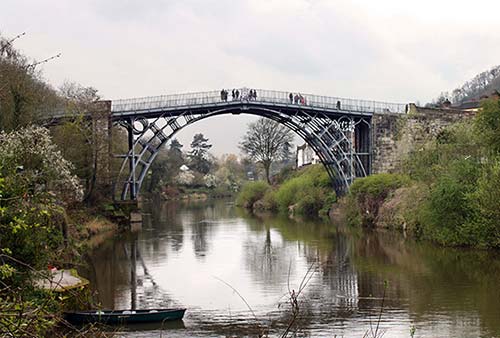
Walk across the span, then visit the Iron Bridge Tollhouse (free, at the southern end of the bridge), which offers a good introduction to the valley’s history. Above the entryway, read the fee schedule and notice the subtle slam against royalty. (England was not immune to the revolutionary sentiment inhabiting the colonies at this time.) Pedestrians paid half a penny to cross; poor people crossed for less by coracle—a crude tub-like wood-and-canvas shuttle ferry. Cross back to the town and enjoy a pleasant walk downstream along the towpath. Where horses once dragged boats laden with cargo, locals now walk their dogs.
Museum of the Gorge
About a five-minute walk from the bridge, this free but skippable museum hosts temporary exhibits. But the building itself, the Old Severn Warehouse (nicknamed the “Warehouse of the World”), is notable as the place where iron goods were brought from nearby furnaces and loaded onto barges to be shipped to Bristol...and, from there, around the globe. You can still see the cart tracks leading down to the water.
Nearby: Farther upstream from the museum parking lot is the fine riverside Dale End Park, with picnic areas and a playground.
COALPORT AND JACKFIELD
▲▲Blists Hill Victorian Town
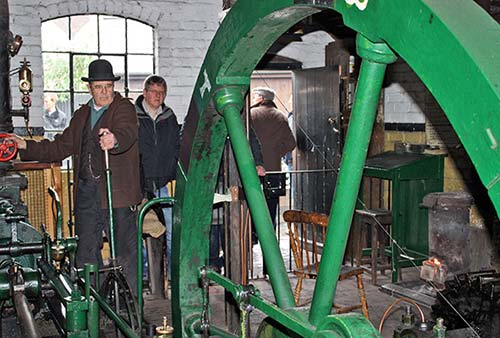
This immersive open-air folk museum, a re-creation of a circa 1900 working-class town, thrills kids and kids at heart. You’ll wander through 50 acres of commerce, industry, and chatty locals. It’s particularly lively (with everything open and lots of docents—and engaged kids) on weekends and in summer; off-peak times can be sleepy, with some buildings closed. Compared to other open-air museums in Britain, it’s refreshingly compact and manageable. Pick up the Blists Hill guidebook for a good step-by-step rundown.
Cost: £27, includes free site map.
Eating in Blists Hill: Options for lunch include a café, pub, fish-and-chips shop, bakery, and cafeteria.
Visiting Blists Hill: The experience begins with an educational movie showing Victorians at noisy, hot, and difficult work. After climbing some stairs and walking through a door, you’re transported back in time. Energetic docents in period clothes staff shops and work machinery straight from 1900. Pop in to say hello to the banker, the blacksmith, and the cashier in the candy shop. Swing by the pub to see how the local Ironbridge football team is faring this year. How long will it take for a letter to reach London? Asking questions and chatting with the “Victorians” is encouraged.
Stop by the pharmacy and check out the squirm-inducing setup of the dentist’s chair—it’ll make you appreciate modern dental care. Down the street, a candlemaker explains how a “nodding donkey” works, shows why candles have two wicks, and reveals why miners used green candles instead of white ones.
Just as in Victorian days, the village has a working pub, a greengrocer’s shop, and a snorty, slippery pigsty. On your way down to the ironworks, drop in on the Duke of Sutherland’s cottage, with an outdoor privy tucked in the back. At the vast ironworks you can imagine newly forged goods being loaded onto a barge in the adjacent warehouse. And don’t miss the explanation of the “winding engine” at the Blists Hill Mine (demos throughout the day).
At the back of the park, you can hop aboard a train and enter a clay mine, complete with a sound-and-light show illustrating the dangers of working underground (small charge, 15 minutes). Nearby, the Hay Inclined Plane was used to haul loaded tub boats between the river and the upper canal. Today, a passenger-operated lift hauls visitors instead (if it’s working, just press the button to call for it). At the top, you can walk along the canal back to the town.
Coalport China Museum
This museum fills an old porcelain factory along the river, directly downhill from Blists Hill. You’ll see fine samples of china that was made here, learn how to identify the top-quality Caughley porcelain, walk through a long workshop where craftspeople demonstrate various aspects of porcelain production (molds, flowers, printing, glazing, painting, and gilding), and walk inside a cavernous bottle kiln, so-called for its iconic shape. While not for everyone, the museum appeals to fans of England’s storied porcelain-making history.
Cost: £12.
▲Jackfield Tile Museum
While most area museums focus on the grit and brawn of the Industrial Revolution (iron, coal, and so on), the sleepy Jackfield Tile Museum looks at the softer side of Severn Valley innovation. Located in the tiny village of Jackfield (a mile downriver from Ironbridge), the museum spreads out among several buildings in an old brick industrial complex where tiles are still produced. The highlight is seeing re-created spaces showing off the many uses and styles of tile—including a pub, a bathroom, and London’s Covent Garden Tube station. (Jackfield is proud that its tile covers many of London’s Underground stations—and even a part of the Palace of Westminster.) The modern Fusion art center next door suggests that tile’s heyday isn’t over.
Cost: £12.
COALBROOKDALE
▲Coalbrookdale Museum of Iron and Abraham Darby’s Old Furnace
The Coalbrookdale neighborhood is the birthplace of modern technology—locals like to claim it’s where mass production was invented. The museum and furnace are located on either side of a parking lot, tucked under a rail trestle. The Coalbrookdale Inn—a classic pub—is just up the hill in front of the museum.
Cost: Museum-£12, Furnace-free.
Visiting the Museum: The fresh, well-presented museum works hard to explain all facets of iron—which has been used to make tools since ancient times and makes up 95 percent of all industrial metal. Your visit starts with a quick primer on iron ore and iron tools. From there, head up to the top floor and work your way down, chronologically, through the history of iron here in the Severn Valley. You’ll wander among original items from Coalbrookdale’s boom time, see a detailed model of the Iron Bridge, and learn about the critical role Quakers (like Darby) played in the Industrial Revolution. On the middle floor are several Victorian-age iron items—from a gigantic cast-iron anchor to delicately crafted benches and sculptures—and a map showing where Coalbrookdale iron was exported (as far east as Australia, and as far west as Hawaii).
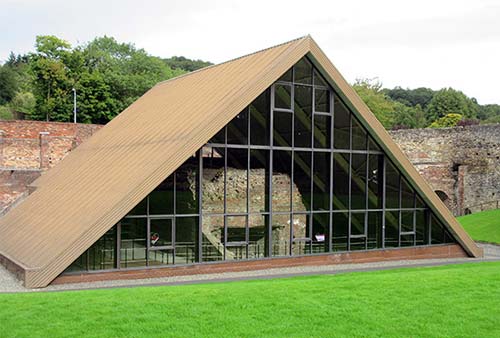
Abraham Darby Furnace: Across from the museum, standing like a shrine to the Industrial Revolution, is Darby’s blast furnace, sitting inside a big glass pyramid and surrounded by evocative industrial-age ruins. It was here that in 1709 Darby first smelted iron, using coke as fuel. To me, “coke” is a drink, and “smelt” is the past tense of smell...but around here, these words recall the event that kicked off the modern Industrial Age and changed the world (see the sidebar).
Enginuity
Enginuity is a hands-on funfest for kids. Riffing on Ironbridge’s engineering roots, this converted 1709 foundry is a science fair of water contraptions, pumps, magnets, and more. Learn the impact a dam has on the cycle of water, discover how a blast engine works, and power a steam engine. Mixed in among all this interactive entertainment is a collection of vintage machines.
Cost: £12, across the parking lot from the Coalbrookdale Museum of Iron.
Darby Houses
Abraham Darby, who figured out how to smelt iron in his big furnace, lived with his family in these two homes up on a ridge overlooking the Coalbrookdale Museum (go under the rail bridge and head uphill). Although Quakers, they were the area’s wealthiest residents by far. Touring their homes, you’ll learn a bit about their lifestyles and about Quakers in general.
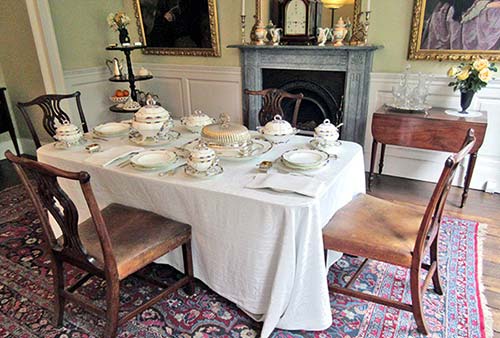
The 18th-century Darby mansion, Rosehill House, is decorated and furnished as the family home would have been in 1850. It features a collection of fine china, furniture, and trinkets from various family members. If the gilt-framed mirrors and fancy china seem a little ostentatious for wealth-shunning Quakers, keep in mind that these folks were rich beyond reason, and—as docents will assure you—considering their vast wealth, their home was relatively modest. At the end of the tour is a collection of period clothes: You’re welcome to dress up as a humble Quaker or a fashionable dandy.
The adjacent Dale House, dating from the 1710s, is older than Rosehill, but almost completely devoid of furnishings.
Cost: £6.50.
Sleeping in Ironbridge Gorge
££ Bridgeview Guesthouse rents seven tidy rooms over a tearoom directly at the Iron Bridge; true to its name, four rooms have bridge views. Small touches like a quiet back patio and little bottles of wine in your room make the place welcoming (breakfast extra, free parking nearby, 10 Tontine Hill, +44 1952 432 541, ironbridgeview.co.uk, bookings@ironbridgeview.co.uk).
£ The White Hart, facing the river, rents seven modern en-suite rooms above a recommended restaurant and bar—expect some noise on busy weekends (street parking only, 10 Wharfage, +44 1952 432 901, whitehartironbridge.com, info@whitehartironbridge.com).
If neither of these are available, the £ Best Western Valley Hotel—a 10-minute walk west of the bridge, near Dale End Park—is a good option (Buildwas Road, +44 1952 432 247, thevalleyhotel.co.uk, info@thevalleyhotel.co.uk).
OUTSIDE TOWN
£ The Foundry, in Coalbrookdale, rents three en-suite rooms that come with Georgian touches and a nice garden out front (breakfast extra, in-house dining available, 43 Wellington Road, +44 1952 433 658, thefoundrymastershouse.co.uk, foundrymasters43@aol.com).
¢ YHA Ironbridge Coalport Hostel fills one of the original old factory buildings of the Coalport China Works. It’s plush for a hostel, with private and en-suite rooms available (breakfast extra, reception closed 10:00-17:00, High Street, +44 1952 588 755, yha.org.uk, coalport@yha.org.uk). Don’t confuse this hostel with another area hostel, Coalbrookdale, which is only available for groups.
Eating in Ironbridge Gorge
£££ The White Hart has a split personality—the woody pub section is Brit-rustic, while the two-level restaurant is wine-swirling chic. Prices make this a splurge, but the food is creative and tasty (daily, closed Sun for dinner, reservations smart on weekends, 10 Wharfage, +44 1952 432 901, whitehartironbridge.com).
£££ The Golden Ball Inn is a classic countryside pub high on the hill above Ironbridge. You can dine with the local crowd in the bar; eat in the quieter, more formal dining room; or sip and munch out on the patios. This place is serious about beer, listing featured ales daily (daily, reservations smart on weekends, 10-minute hike up Madeley Road from the town roundabout, look for sign to pedestrian shortcut, 1 Newbridge Road, +44 1952 443 437, thegoldenballinnironbridge.co.uk).
££ The Coalbrookdale Inn is filled with locals enjoying excellent ales and simple pub grub—nothing fancy. This Victorian-era pub has a tradition of offering free samples from a lineup of featured beers. Ask which real ales are available (Mon-Fri dinner only, Sat-Sun lunch and dinner, lively ladies’ loo, across street from Coalbrookdale Museum of Iron, 1 mile from Ironbridge, 12 Wellington Road, +44 1952 432 166).
£££ The Malthouse, located in an 18th-century beer house, is popular with young locals. The menu includes pub standards, plus some pricier, high-end steaks (daily, breakfast served, near Museum of the Gorge, The Wharfage, +44 1952 433 712). At night, this place gets rocking with live bands (generally Fri-Sat).
££ Black Swan is a creaky countryside watering hole with a delightful front patio overlooking the river—nice if you’ve finished your day with the Tile Museum or fancy a 20-minute stroll along the river (daily, on the road to Jackfield Tile Museum, Lloyds Head, +44 1952 882 471).
Ironbridge Gorge Connections
Ironbridge Gorge is six miles southwest of Telford, which has the nearest train station.
Getting Between Telford and Ironbridge Gorge: It’s easiest to take a taxi from Telford train station to Ironbridge Gorge (about £20 to Blists Hill, £25 to the Iron Bridge; to call a taxi, see “Getting Around Ironbridge Gorge,” earlier). You can also take bus #96 from the Telford train station to the Museum of the Gorge (2-5/hour).
By Train from Telford to: Birmingham (2/hour, 45 minutes), Stratford-upon-Avon (2/hour, 2.5 hours, 1-3 changes), Moreton-in-Marsh (hourly, 3 hours, 2 changes), Conwy in North Wales (4/day direct, 2.5 hours, more with transfer), Liverpool (hourly, 2.5-3 hours, 1-2 changes), Keswick/Lake District (hourly, 3-4 hours total, 2-3 changes). Train info: +44 345 748 4950, nationalrail.co.uk.
ROUTE TIPS FOR DRIVERS
From the South to Ironbridge Gorge: From the Cotswolds and Stratford, you want to avoid going through Birmingham; see here for the best route.
After Birmingham, follow signs to Telford via the M-54. Leave the M-54 at the Telford/Ironbridge exit (Junction 4). Follow the brown Ironbridge Museums signs through several roundabouts to Ironbridge.
From Ironbridge Gorge to North Wales: The drive is fairly easy, with clear signs and good roads all the way. From Ironbridge Gorge, follow signs to the M-54. Take the M-54 toward Telford, and then Shrewsbury, as the M-54 becomes the A-5; then follow signs to North Wales. In Wales, the A-483 (direction: Wrexham, then Chester) takes you to the A-55, which leads to Conwy.