ENGLAND
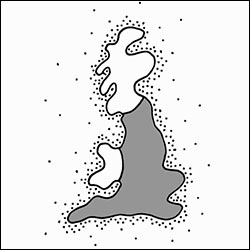
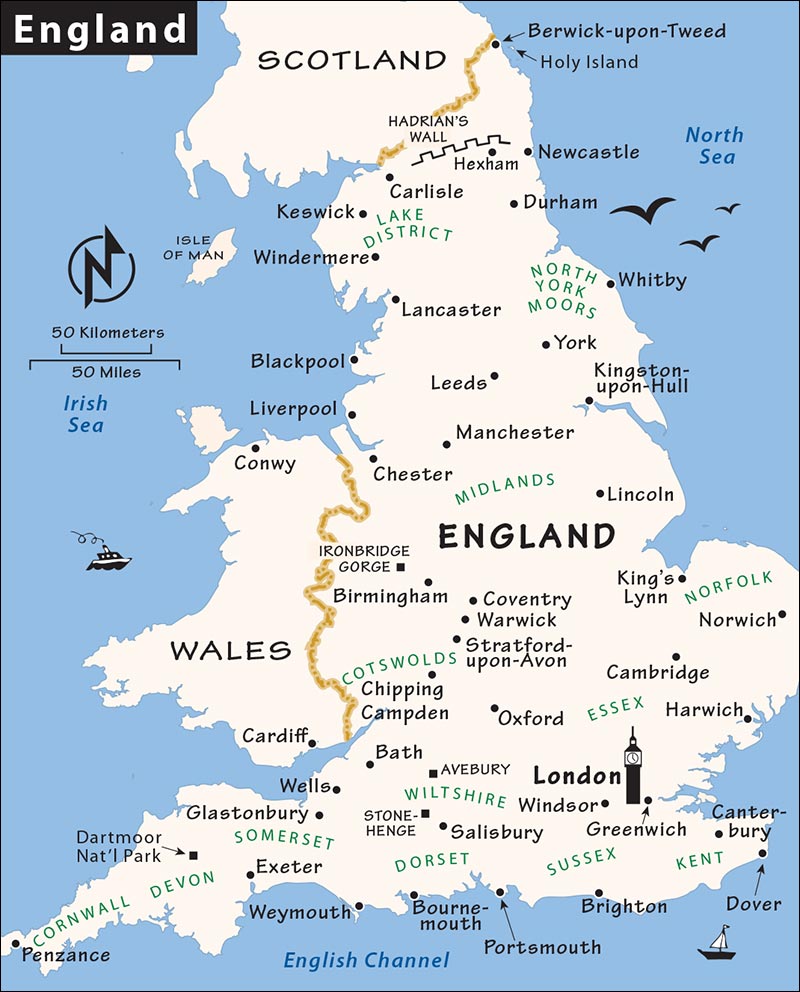
England (pop. 55 million) is a hilly country about the size of Louisiana (50,350 square miles) that occupies the southern two-thirds of the isle of Britain (with 80 percent of its population). Scotland is to the north and the English Channel to the south, with the North Sea to the east and Wales (and the Irish Sea) to the west. England’s highest mountain (Scafell Pike in the Lake District) is 3,206 feet, a foothill by American standards. Fed by ocean air, the climate is mild, with a chance of cloudy, rainy weather almost any day of the year.
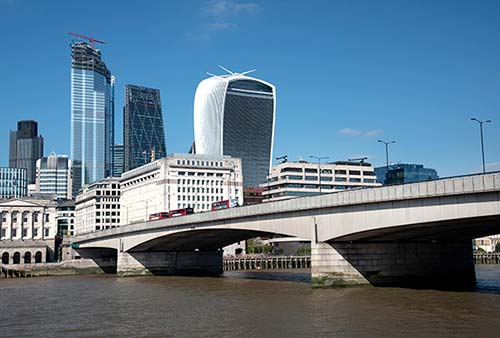
England has an economy that can stand alongside many much larger nations. It boasts high-tech industries (software, chemicals, aviation), international banking, and textile manufacturing, and is a major exporter of beef. While farms and villages remain, England is an urban, industrial, and postindustrial colossus.
England traditionally has been very class-conscious, with a land-wealthy aristocracy, middle-class tradespeople, and working-class farmers and factory workers. While social stratification has diminished somewhat with the new global economy, regional differences remain strong. Locals can often identify where someone is from by their dialect or local accent—Geordie, Cockney, or the King’s English.
England is set apart from its fellow UK countries (Scotland, Wales, and Northern Ireland) by its ethnic makeup. Traditionally, those countries had Celtic roots, while the English mixed in Saxon and Norman blood. In the 20th century, England welcomed many Scots, Welsh, and Irish as low-wage workers. More recently, it’s become home to immigrants from former colonies of its worldwide empire—particularly from India, Pakistan, Bangladesh, the Caribbean, and Africa—and to workers from poorer Eastern European countries. These days it’s not a given that every “English” person speaks English. Less than half the population professes the Christian faith. As the world becomes more interconnected, it’s possible for many immigrants to physically inhabit the country while remaining closely linked to their home culture—rather than truly assimilating into England.
This is the current English paradox. England—the birthplace and center of the extended worldwide family of English speakers—is a melting pot of cultures. Where Scotland, Wales, and Northern Ireland have cultural movements to preserve their local languages and customs, England does not. Politically, there is no “English” party in the UK Parliament; England must depend on the decisions of the UK government at large. Except for the occasional display of an English flag (the red St. George’s cross on a white background) at a football (soccer) match, many English people don’t really think of themselves as “English”—more as “Brits,” a part of the wider UK.
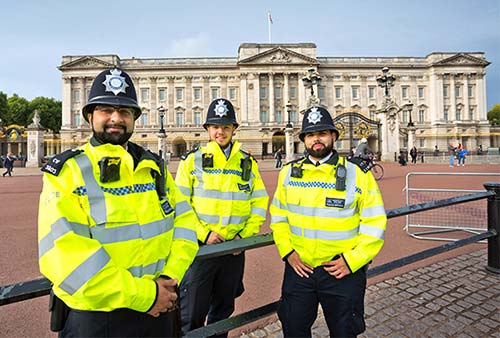
Today, England races forward as a leading global player. Whether the UK’s new king and recent departure from the European Union (Brexit) speeds up or slows down England’s progress, the result is sure to be interesting. With its rich heritage, lively present, and momentous future, England is a culturally diverse land in transition. Catch it while you can.