SIGHTS IN BRUSSELS
▲▲▲Grand Place
▲City Museum (Musée de la Ville de Bruxelles)
▲Chocolate Shops on the Grand Place
Choco-Story: The Chocolate Museum
▲Fashion and Lace Museum (Musée Mode et de la Dentelle)
Ste. Catherine and the Old Fish Market (Vieux Marché aux Poissons)
▲St. Michael and St. Gudula Cathedral
Belgian Comic Strip Center (Centre Belge de la Bande Dessinée)
▲▲▲Royal Museums of Fine Arts of Belgium (Musées Royaux des Beaux-Arts de Belgique)
▲Musical Instruments Museum (Musée des Instruments de Musique)
Park of the Cinquantenaire Museums
▲Royal Museum of the Armed Forces and Military History (Musée Royal de l’Armée et d’Histoire Militaire)
1958 World’s Fair Grounds Sights
The Grand Place may be Brussels’ top sight, but the city offers a variety of museums, big and small, to fill your time here. I’ve divided the sights between the Lower Town, the Upper Town, and the outskirts.
LOWER TOWN
On the Grand Place
 The Grand Place and some of the sights fronting it, including the Town Hall, City Museum, and chocolate shops, are described in more detail in the Grand Place Walk chapter.
▲▲▲Grand Place
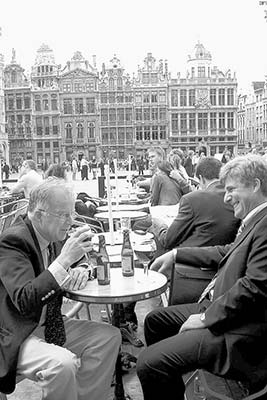
Brussels’ aptly named Grand Place (grahn plahs; in Dutch: Grote Markt, HROH-teh markt) is the heart of the old town and the city’s greatest sight. Any time of day, it’s worth swinging by to see what’s going on. Concerts, festivals, sound-and-light shows, endless people-watching—it entertains.
Town Hall (Hôtel de Ville)
With the Grand Place’s tallest spire, this is the square’s centerpiece, but its interior is no big deal. Admission is possible only with a one-hour English tour, which also covers city history and the building’s tapestries and architecture.
Cost and Hours: €15; English tours offered every afternoon except Tue and Thu, some evenings as well, visit www.brussels.be/city-hall [URL inactive] for times and tickets; 25-person limit—ensure a spot by buying tickets three days in advance.
▲City Museum (Musée de la Ville de Bruxelles)
Inside the King’s House (Maison du Roi) building on the Grand Place, this mildly interesting museum has city history exhibits, the original Manneken-Pis statue, models and maps of old Brussels, and some old tapestries, altarpieces, and paintings. Posted information and info sheets in English are available, and a free audioguide provides more in-depth information on select items. (The BELvue Museum in the Upper Town is better for Belgian history.)
Cost and Hours: €10, ticket also valid for GardeRobe MannekenPis—described later; Tue-Sun 10:00-17:00, closed Mon; free audioguide app, Grand Place, +32 2 279 4350, www.brusselscitymuseum.brussels.
Visiting the Museum: Begin your visit on the ground floor and work your way up.
Ground Floor: Here you’ll see the original statues that once adorned the Town Hall, St. Michael and St. Gudula Cathedral, and other buildings in Brussels. The limestone is no match for the corrosive acidic air, so they were brought inside for protection. Also on this floor are a few old paintings (one may be by Jan Brueghel the Elder), fine carved altarpieces, and porcelain. Spend some time with a Brussels specialty—tapestries. With access to great materials (via the thriving cloth trade) and great artists (like Peter Paul Rubens), Brussels cranked out these wall hangings that adorned Europe’s homes as both functional insulators and artistic masterpieces.
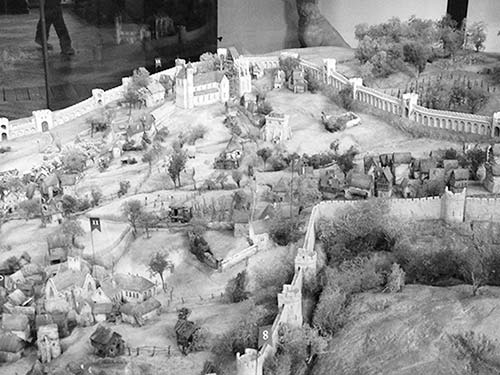
Middle Floor: Watch the 20-minute video (in English) for a bite-sized introduction to Brussels history. Find the model of the city in the 13th century. (Get oriented: Uphill is east.) The largest structure back then was St. Michael and St. Gudula Cathedral. At the top of the model is the Upper Town—which, at this point, hasn’t even a hint of its monumental future. At the bottom of the hill is the (former) River Senne, which was the city’s trading lifeline. In between stands the fledgling Grand Place—only a small clearing amid a cluster of houses.
The city was a port town—see the crane unloading barges—since it was at this point that the shallow Senne became navigable. Grain from the area was processed in the watermills, then shipped downstream to Antwerp and on to the North Sea.
By the 1200s, Brussels—though tiny by today’s standards—was an important commercial center, and St. Michael and St. Gudula Cathedral was the region’s religious hub. Still, most of the area inside the 2.5-mile-long city wall was farmland, dotted with a few churches, towers, markets, and convents (such as the Carmelite convent hugging the south wall).
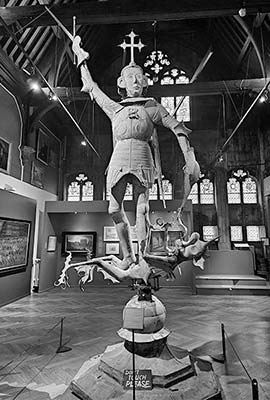
Top Floor: The main hall—under an interesting wood-carved roof—showcases the original Manneken-Pis statue that stood near the Grand Place. The exhibit explains that a Manneken-Pis was first mentioned in a 1451 administrative text about water pipes—though this brass statue is from the 17th century. In a second room devoted to the Grand Place, the showstopper is the large brass weathervane, green with time and the elements, that once stood atop the Town Hall across the square (it was replaced by a copy in 1993). In a scene that looks lifted from a medieval action comic, the Archangel Michael vanquishes Satan in the form of a dragon.
Brewery Museum
This little basement-level, bar-like place has one room of old brewing paraphernalia and one room of new (beer video in English). It’s pretty lame...skip it unless you’re really thirsty.
Cost and Hours: €5 includes a local beer; Wed-Sat 11:00-18:00, last entry one hour before closing, closed Sun-Tue; Grand Place 10, +32 2 511 4987, www.belgianbrewers.be.
▲Chocolate Shops on the Grand Place
For many, the best thing about the Grand Place is the chocolate sold at its venerable chocolate shops: Godiva, Neuhaus, Mary, Galler, and Leonidas (shops generally open daily until 18:00, later on weekends). It takes a lot of sampling to judge. For more, see the sidebar on here.
South of the Grand Place
Choco-Story: The Chocolate Museum
This museum is a deep dive into all aspects of Belgium’s favorite confection, beginning with the cultivation of cacao in the Amazon basin by the Maya. Hundreds of fascinating chocolate-related artifacts and tools from around the globe—accompanied by an audioguide, video, and corny mannequins—illustrate the introduction of chocolate to Europe and its subsequent history. You’ll also watch a chocolate master at work (live demos 2/hour) and taste some samples.
Cost and Hours: €14—book online in advance in peak season to avoid the ticket line, includes essential audioguide; daily 10:00-18:00, last entry one hour before closing; between Grand Place and Manneken-Pis at Rue de l’Etuve 41, +32 2 514 2048, www.choco-story-brussels.be.
▲▲Manneken-Pis
Brussels is a great city with a cheesy mascot: a 17th-century statue of a little boy urinating (apparently symbolizing the city’s irreverence and love of the good life). Read up on his story at any postcard stand. His facsimile is three short blocks off the Grand Place: For directions, take my Grand Place Walk; look for small, white Manneken-Pis signs; or just ask a local, “Où est le Manneken-Pis?” (oo ay luh man-uh-kan pees). The little squirt may be wearing some clever outfit, as costumes are sent for him from around the world. (For more about his fashion statements, visit the museum described next.) The tourist hubbub and frantic selfie derby on this street corner is as much a sight as the statue itself.
GardeRobe MannekenPis
That little bronze boy with the slack bladder is also a clothes horse. For three centuries, it’s been a tradition for the statue to be outfitted in clothing—the little guy pees through several costume changes each week. Many of the outfits you see here were donated by other countries. There are some 1,000 costumes in the archives, including a Civil War Union soldier, an El Salvadorian farmer, a Polish hussar, a Japanese samurai, an Indian maharajah, a Spanish bullfighter, a Maasai herder, and a Fiji islander.
Cost and Hours: €5, free with City Museum ticket; Tue-Sun 10:00-17:00, closed Mon; about a half-block from the little squirt at Rue du Chêne 19, +32 2 514 5397, www.mannekenpis.brussels.
▲Fashion and Lace Museum (Musée Mode et de la Dentelle)
The permanent exhibit at this fine little museum showcases historic fashion as well as the art of lace. You’ll enjoy exquisite costumes, feathery fans, and baby baptismal gowns. As the lace is fragile, much of it is stored in drawers—be sure to pull them out. At the entry, borrow the necessary English booklet that describes each showpiece. Carefully curated rotating exhibits each focus on one Belgian designer from the present or past.
Cost and Hours: €10, Tue-Sun 10:00-17:00, closed Mon, Rue de la Violette 12, a block off the Grand Place, +32 2 213 4450, www.fashionandlacemuseum.brussels.
West of the Grand Place
These two fun-to-explore spots, just across the busy Boulevard Anspach from the Bourse and minutes apart on foot, offer some of Brussels’ most appealing restaurants (far less touristy than those near the Grand Place). If you’re looking for a bustling nighttime neighborhood full of inviting eateries and bars, you’ll enjoy strolling these two areas.
Ste. Catherine and the Old Fish Market (Vieux Marché aux Poissons)
Two blocks northwest of the Bourse is the ragtag Church of Ste. Catherine, which marks an inviting “village in the city” area with great eating options and fun shops. The church itself is falling apart—during its construction, the architect got the commission for the Palace of Justice in the Upper Town and rushed to complete this church so he could begin the more lucrative new job as quickly as possible. In front of the church stretches the long, skinny former fish market, lined with a range of upscale fish restaurants. Alongside the church is Place Ste. Catherine (Sint-Katelijneplein), with more restaurants, bars, and the city’s best cheap-and-fast lunch options (see here for recommended eateries). Place Ste. Catherine also hosts an organic market on Wednesdays (7:30-15:00) and a zero-waste market on Saturdays (8:00-20:00).
Place St-Géry
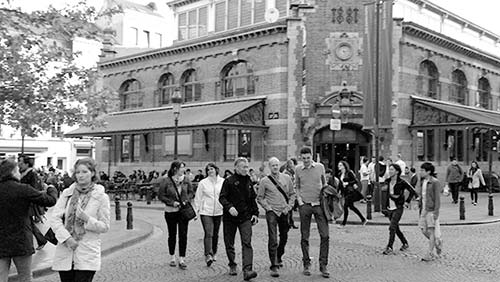
This square—called Sint-Goriksplein in Dutch—is a lively scene, especially at night, when its bars are busy. It was actually once an island in the now covered-up Senne River, Brussels’ former trading lifeline. The market hall in the middle of the square evokes a time when goods were offloaded a few blocks away, at the old fish market, and brought here for sale. Today the hall houses a café/bar, a fries stand, and special exhibits, and occasionally hosts concerts and other performances. Across from the southwest corner of the hall, at #23 (next to the Ô Lion d’Or information board), peek through the little gateway to see a relaxing oasis of a courtyard. To go inside, ask at the info desk across the street in the market hall—someone will be happy to take you. After entering the courtyard, go left down some stairs to see a small, exposed stretch of the Senne—still, green, and confined between brick walls.
East of the Grand Place
▲St. Michael and St. Gudula Cathedral
One of Europe’s classic Gothic churches, built between roughly 1200 and 1500, Brussels’ cathedral is made from white stone and topped by twin towers. For nearly 1,000 years, it’s been the most important church in this largely Catholic country. (Whereas the Netherlands went in a Protestant direction in the 1500s, Belgium remains 60 percent Catholic—although only a small fraction of Belgians attend Mass.)
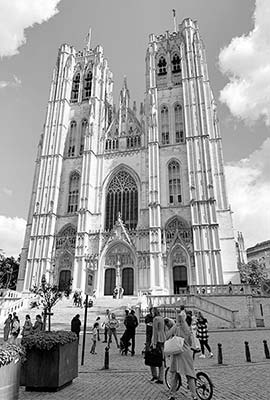
Cost and Hours: Free to enter church, small fee to visit the underwhelming treasury, crypt by appointment only, €4 audioguide; daily 8:00-18:00; www.cathedralisbruxellensis.be.
Visiting the Cathedral: The white-themed nave is bare but impressive, with a few nice stained-glass windows and a marvelous carved pulpit of Adam and Eve supporting the preacher. On top, Mary and Jesus stab Satan in serpent form.
This church is where royal weddings and funerals take place. Photographs (to the right of the entrance) show the popular King Baudouin (far left), who died in 1993, and the wedding (far right) of Baudouin’s nephew, Philippe, who became king when his father, Albert II, abdicated in 2013. Traditionally, the ruler was always a male, but in 1992 the constitution was changed to allow the oldest child of either gender to take the throne. Elisabeth, born in 2001 to King Philippe and his wife, Queen Mathilde, is next in line for the throne (in the photo of the royal family standing in front of the cathedral, she is wearing the red dress).
Before leaving, pause on the outer porch to enjoy the great view of the Town Hall spire with its gold statue of St. Michael.
Belgian Comic Strip Center (Centre Belge de la Bande Dessinée)
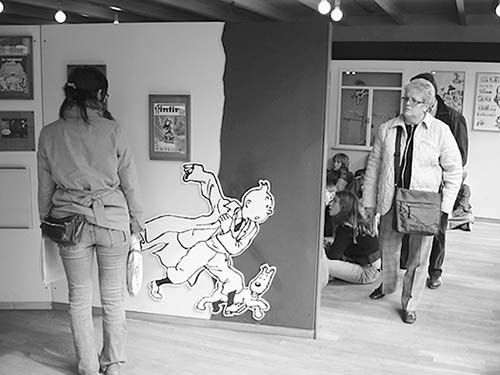
Belgians are as proud of their comics as they are of their beer, lace, and chocolates. Something about the comic medium resonates with the wry and artistic-yet-unpretentious Belgian sensibility. Belgium has produced some of the world’s most popular comic characters, including the Smurfs, Tintin, and Lucky Luke. You’ll find these, and many less famous local comics, at the Comic Strip Center. It’s not a wacky, lighthearted place but a serious museum about a legitimate artistic medium.
Even if you don’t have the time or interest to visit the museum’s collection, pop into the lobby to see the groundbreaking Art Nouveau building (a former department store designed in 1903 by Belgian architect Victor Horta), browse through comics in the bookshop, and snap a photo with a three-foot-tall Smurf. That’s enough for most people—especially for kids, who will likely find the museum itself boring. But those who appreciate art in general may enjoy this sometimes humorous, sometimes probing, often beautiful medium. Most of the cartoons are in French and Dutch, but descriptions come in English.
Cost and Hours: €13; Tue-Sun 10:00-18:00, closed Mon, last entry one hour before closing; café, 10-minute walk from the Grand Place to Rue des Sables 20, +32 2 219 1980, www.comicscenter.net.
Getting There: From Central station, walk north along the big boulevard, then turn left down the stairs at the roundabout with the shipping container on its end (it’s art).
Visiting the Museum: The collection changes often, but no matter what’s on, you’ll see how comics are made and watch early animated films. The heart of the collection is the golden age of comics in the 1950s and 1960s. You’ll likely see an exhibit on Tintin, the intrepid young reporter with the button eyes and wavy shock of hair, launched in 1929 by Hergé and much loved by older Europeans. Brussels’ own Peyo (a.k.a. Pierre Culliford, 1928-1992) invented the Smurfs—the little blue forest creatures that stand “three apples high,” known as Les Schtroumpfs in Belgium. Displays don’t go much beyond the comics themselves and descriptive panels, though there are some photo ops with life-size characters.
The top floor’s temporary exhibits are often dedicated to “serious” comics, where more adult themes and high-quality drawing aspire to turn kids’ stuff into that “Ninth Art” (neuvième art—the French term for comics as fine art). These works can be grimly realistic, openly erotic or graphic, or darker in tone, often featuring flawed antiheroes. The museum’s bookstore is nearly as interesting, giving you the chance to page through reproductions of classic comics.
Other Comic Sights: If you’re a Belgian comics completist, consider visiting the Museum of Original Figurines (MOOF), at the entrance to the Horta Gallery at the lower end of Central station (a few steps from “Agora” square). It features changing exhibits of colorful figurines of your favorite Belgian characters (closed Tue-Thu except July-Aug, www.moofmuseum.be). A handy Smurf Store is next door.
The Belgian comic character Tintin is beloved by several generations of Europeans. Translations of his adventures and Steven Spielberg’s 2011 animated Tintin film have endeared him to Americans as well.
In 1929, Brussels cartoonist Georges Rémi (1907-1983), using the pseudonym Hergé, created a dedicated young reporter with a shock of blond hair who’s constantly getting into and out of misadventures. A precise artist, Hergé used a simple, uncluttered style with clear lines and appealing color.

Combining fantasy, mystery, and sci-fi with a dash of humor, the Tintin stories quickly found an appreciative audience. The Adventures of Tintin spanned 47 years and 24 books (selling some 270 million copies—and counting—in 110 languages). Tintin’s popularity continues even today, as nostalgic parents buy the comics they grew up on for their own kids.
Tintin is the smart, upbeat, inquisitive, brave-but-not-foolhardy young man whose adventures propel the plot. His newspaper sends him on assignments all over the world. Snowy, Tintin’s loyal fox terrier, is his constant companion—and often saves the day. The grizzled, grouchy, heavy-drinking Captain Haddock is as cynical as Tintin is optimistic, with a penchant for colorful curses (“Blistering barnacles!”). Professor Calculus is as brilliant as he is absentminded and hard of hearing, and comic relief is provided by the bumbling, nearly identical detectives called Thomson and Thompson.
Throughout his swashbuckling adventures, Tintin travels far and wide to exotic destinations. Hergé has been acclaimed for his meticulous research—he studied up on the places he portrayed and tried to avoid basing his stories on assumptions or stereotypes (though by today’s standards, some of the comics betray an ugly Eurocentrism—one of the earliest, Tintin in the Congo, Hergé himself later acknowledged was regrettably racist).
And though the supporting characters are dynamic and colorful, Tintin himself has a rather bland personality. His expressions are usually indistinct (Hergé wanted young readers to project their own emotions onto Tintin’s blank-canvas face). While presumably a teenager, Tintin’s age is unclear—at times we imagine him to be a young boy, while at others he’s seen drinking a beer, piloting a plane, or living in his own apartment (we never meet his family, if he has one). All of this is intentional: Hergé’s style subconsciously encourages readers to put themselves in Tintin’s everyman shoes.
UPPER TOWN
Brussels’ grandiose Upper Town, with its huge palace, is described in the Upper Town Walk chapter. Along that walk, you’ll pass the following sights (for locations, see the map in that chapter). An antiques market is held on Place du Grand Sablon on Saturdays (9:00-17:00) and Sundays (9:00-15:00).
▲▲▲Royal Museums of Fine Arts of Belgium (Musées Royaux des Beaux-Arts de Belgique)
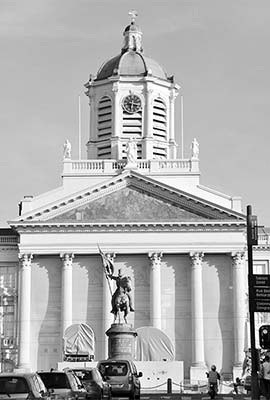
This sprawling complex houses a trio of museums showing off the country’s best all-around art collection. The Old Masters Museum—featuring Flemish and Belgian art of the 14th through 18th century—is packed with a dazzling collection of masterpieces by Van der Weyden, Bruegel, Bosch, and Rubens. The Fin-de-Siècle Museum covers art of the late 19th and early 20th centuries, including an extensive Art Nouveau collection, but is undergoing a major renovation. The Magritte Museum contains works by the Surrealist painter René Magritte. Although you won’t see many of Magritte’s most famous pieces, you will get an unusually intimate look at the life and work of one of Belgium’s top artists. For more on these museums, see the Royal Museums of Fine Arts Tour chapter.
Cost and Hours: €10 for Old Masters or Magritte, €15 combo-ticket covers both; free first Wed of the month after 13:00; open Tue-Fri 10:00-17:00, Sat-Sun 11:00-18:00, closed Mon; audioguides-€4 each, Rue de la Régence 3, +32 2 508 3211, www.fine-arts-museum.be, www.musee-magritte-museum.be.
▲Musical Instruments Museum (Musée des Instruments de Musique)
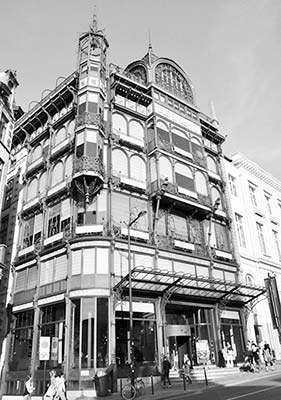
One of Europe’s best music museums (nicknamed “MIM”) is housed in one of Brussels’ most impressive Art Nouveau buildings, the beautifully renovated Old England department store. This museum has more than 1,500 instruments—from Egyptian harps, to medieval lutes, to groundbreaking harpsichords, to the saxophone (invented by Belgium’s own Adolphe Sax). Musicians may lose themselves in here and forget to see the rest of Brussels.
Cost and Hours: €15, includes audioguide; Tue-Fri 9:30-17:00, Sat-Sun from 10:00, closed Mon; Rue Montagne de la Cour 2, just downhill and toward Grand Place from the Royal Museums, +32 2 545 0130, www.mim.be.
Visiting the Museum: You’re free to wander through exhibits on several levels. Using your audioguide, just punch in the number next to any instrument you want to hear or know more about (now I know what a hurdy-gurdy sounds like!), or follow the one-hour highlights tour. The basement level displays musical mechanisms, including a musical grandfather clock with automation. The ground floor has folk instruments from around the world; the first floor covers the history of Western musical instruments; and the second floor is filled with keyboards. The third floor has an exhibit about the history of the building and Brussels Art Nouveau in general—plus great city views from the turret-shaped alcove in the right corner.
▲▲BELvue Museum
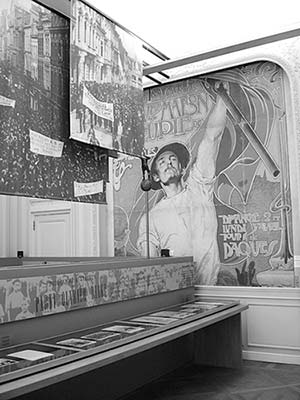
This 21st-century museum is the best introduction to modern Belgian history (1830-present) that you’ll find in Brussels. It’s well described in English, artfully arranged, and spiced up with touchscreens, video, and a timeline of 200-plus objects, from a lace collar to a rolling suitcase. But it’s also Belgian history—so it is what it is. The museum sits over the (skippable) archaeological remains of the 12th-century Coudenberg Palace.
Cost and Hours: Museum-€10, includes audioguide app plus detailed guide booklet; palace remains-€10; €18 combo-ticket covers both; Mon-Fri 9:30-17:00, Sat-Sun and July-Aug 11:00-19:00; café; adjacent to the Royal Palace at Place des Palais 7, +32 2 500 4554, www.belvue.be.
Visiting the Museum: Start in the first-floor hallway, where you’ll get a brief overview of how Belgium achieved independence from the Netherlands in 1830. From there, each room explores a theme of Belgian history through artifacts, exhibits, and even commentary from everyday Belgians (shown on video screens).
First Floor: In Room 1 you’ll explore “Democracy” (women didn’t get the vote until 1948) and see a timeline of the Belgian royal family. It’s clear the dynasty is generally appreciated, even loved. Since these imported German monarchs arrived in 1830, each of the seven “Kings of the Belgians” (as they’re officially known) has had his own style and claim to fame. Leopold I was the visionary who united the young nation. Leopold II was the “Builder King” and Congo exploiter. Albert I guided Belgium through World War I—only 30,000 Belgian troops died. Controversial World War II-era Leopold III was tainted after his attempt to negotiate with Hitler, and later abdicated in disgrace. He was followed by Baudouin, who restored respect for the monarchy. His equally popular brother became King Albert II. Albert II’s son Philippe now reigns as king; the royal family includes his wife Mathilde, two princes (Gabriel and Emmanuel), and two princesses (Elisabeth and Eléonore).
Next comes “Prosperity” (Room 2), which covers how Belgium welcomed the Industrial Revolution (it had the first railroad on the Continent), thrived by exploiting its colony in Africa, and embraced the idea of a united Europe after World War II. The following room explores “Solidarity” and the rise of the labor movement (look for quotes from Vincent van Gogh and Karl Marx, both of whom lived in Brussels for a time), as well as colonialism. One of the major battles inside Belgium was over religion and who would run the schools: The “Pluralism” exhibit (Room 4) explores the “school wars” over two centuries.
Second Floor: The “Migration” exhibit covers both the departure of Belgians for better lives (more than 200,000 emigrated to the US in the 19th and early 20th centuries) and the tide of immigration into Belgium after World War II as Belgium’s booming economy attracted foreign workers. Perhaps the most fascinating issues are examined in “Language” (Room 6). An excellent video tries to explain the back story of the festering Flemish-Walloon conflict and the bitter struggle to prevent Belgium from splitting completely in half. The final room focuses on postwar efforts to launch the European Union.
Coudenberg Palace: Below the museum, long, vaulted cellars are all that’s left of this 12th-century royal palace. Although well explained and well lit (yet a bit creepy to traipse through alone), the archaeological remnants require too much imagination to make them meaningful. The best part is the free orientation video you see before descending underground.
Notre-Dame du Sablon Church
This 15th-century church in the Flamboyant Gothic style retains some of its original stained-glass windows. It also holds a little statue of the Virgin Mary that’s been venerated by Bruxellois since the 1300s.
Cost and Hours: Free, Mon-Fri 10:00-18:00, Sat-Sun from 9:00, Rue de la Régence 3, +32 2 511 5741.
EAST OF DOWNTOWN
Two clusters of sights lie just east of the city center: the European Parliament (museums about the European Union and European history plus tours of the parliament complex) and the Park of the Cinquantenaire (with museums focusing on cars, military, and art). Between these sights and central Brussels is the Matongé neighborhood—a fascinating blend of Congolese influences and Belgian bohème, and a fun place to grab a bite to eat.
Planning Your Time
Because the areas are connected by a quick bus ride, it’s easy to visit both in a single half-day excursion. The best days to visit are Tuesdays through Fridays, as some Cinquantenaire museums are closed on Mondays, and the European Parliament is pretty dead on weekends. Here’s a suggested itinerary:
Start with the Park of the Cinquantenaire (details on getting to the park are later).
After visiting the museums, take a bus to the European Parliament. To get there, catch bus #27 behind the Autoworld building on Avenue des Gaulois (bus stop: Gaulois/Galliërs, direction: Luxembourg, Mon-Fri 5-6/hour, Sat-Sun 3-4/hour) to the Luxembourg stop. Arriving at Place du Luxembourg, you immediately see the modern gray-and-glass buildings that make up the EU complex.
After your European Parliament visit, catch bus #38 to Central station or bus #95 to the Grand Place (or walk or take the Métro to the Matongé district).
▲▲European Parliament
Europe’s governing body welcomes visitors with an exhibit about the European Union and its parliament. You can also follow a multimedia-guide tour of the actual parliament chamber—the Hemicycle. The parliament’s sprawling complex of modern glass buildings is a babel of black-suited politicians speaking 24 different Euro-languages. It’s exciting just to be here—a fly on the wall of a place that aspires to chart the future of Europe “with respect for all political thinking...consolidating democracy in the spirit of peace and solidarity.”
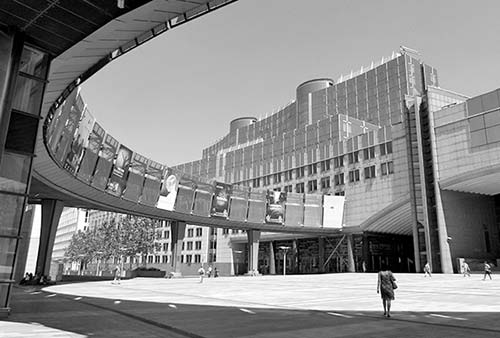
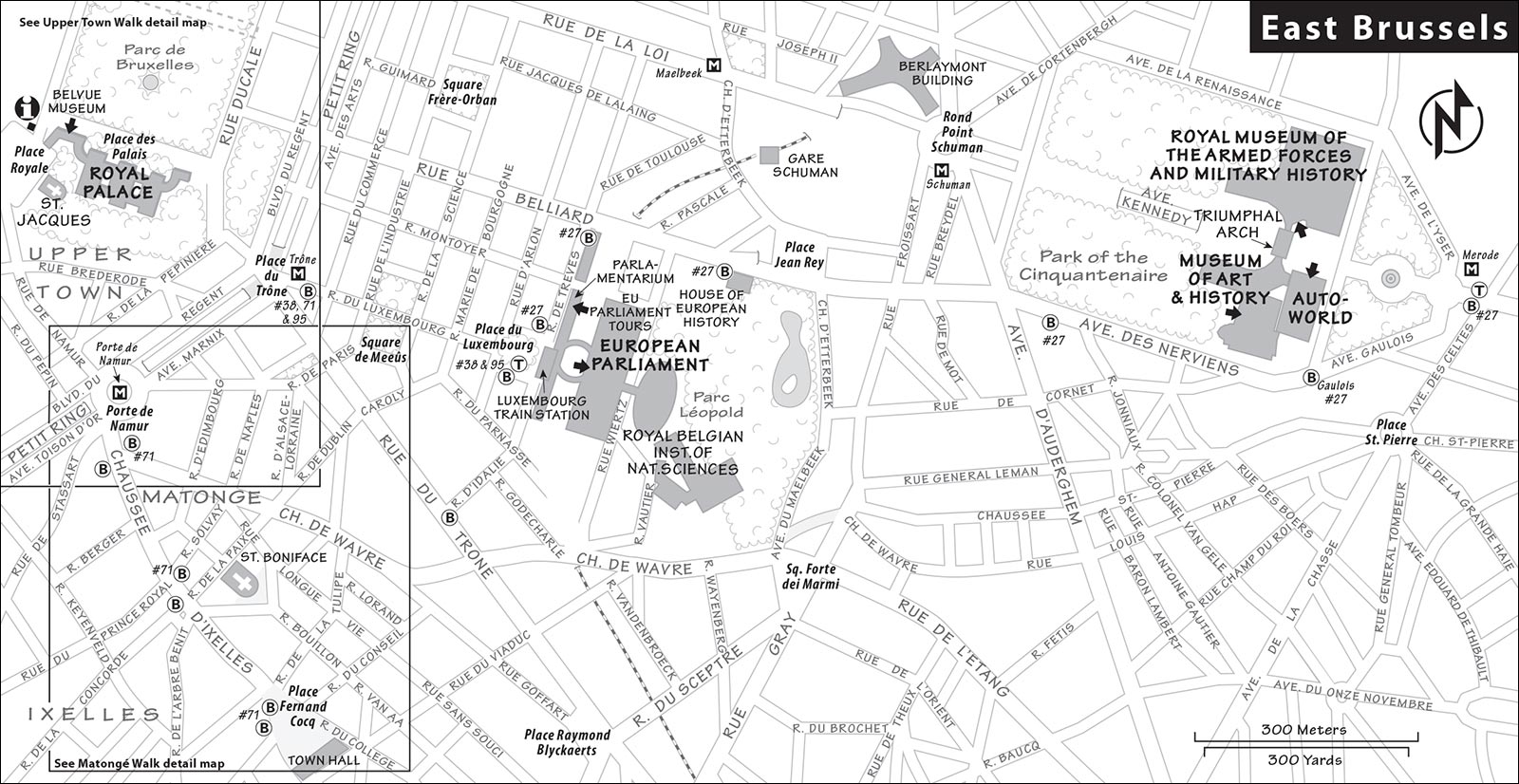
Getting There: The European Parliament is next to Place du Luxembourg (a skippable info office called “Station Europe” is in the Neoclassical former train station). Bus #38 heads here from Central station or the Royal Museums; bus #95 comes from the Grand Place or the Royal Museums; bus #27 comes from the museums at the Park of the Cinquantenaire. Place du Luxembourg is a seven-minute walk from the Trône/Troon Métro stop (straight ahead up Luxembourg street—Europe’s “K” Street, teeming with lobbyists). From Place du Luxembourg, signs direct you to the complex’s main visitor sights: the Parlamentarium, the House of European History, and the Hemicycle tour. To return to the city center, catch bus #38 or #95 from Place du Luxembourg.
Parlamentarium
This high-tech, informative museum is designed to let you meet the European Union and understand how it works. Pick up your free multimedia guide and wander through its many exhibits. You’ll learn about how the EU came to be and the many challenges it has faced; “meet” virtual EU parliamentarians; find out about some of Europe’s most powerful political parties and movements; cast your own vote regarding recent hot-button EU issues; and get a rundown of each EU country’s culture, commerce, and contemporary challenges. The interactive exhibits are rather dry, and the pro-EU propaganda, while expected, can be heavy-handed. Still, it’s a good introduction to the EU; it’s smart to visit before your parliament tour.
Cost and Hours: Free; Tue-Fri 9:00-18:00, Sat-Sun from 10:00, Mon from 13:00; https://visiting.europarl.europa.eu.
European Parliament
Here you’ll learn about the world’s largest transnational parliament and get a look at the Hemicycle, the semicircular chamber where EU members debate issues and cast votes. Reservations are not taken—simply show up with your ID (passport or driver’s license).
Cost and Hours: Free, Mon-Thu 9:00-16:30, Fri until 12:30, closed to visitors Sat-Sun.
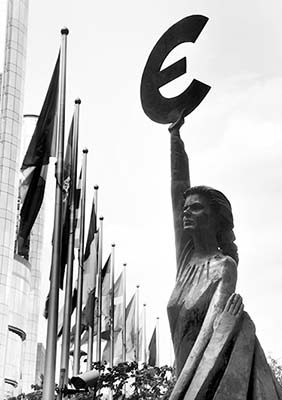
Getting There: The Parliament building is behind the main complex, a five-minute walk from the circular main square—follow signs for Hemicycle visits. You’ll walk through an arcade and down a long set of stairs. Cross the small street and turn left to follow along the building, past a statue of a woman holding a euro sign. The parliament tour entrance will be on your right—near a piece of the Berlin Wall.
Brussels is the capital of one of the biggest, most powerful, and most idealistic states in the world (and, arguably, in history): the European Union (EU). In just one generation, more than two dozen European countries have gone from being bitter rivals to compatriots. This union of such a diverse collection of separate nations—with different languages, cultures, and soccer teams—is almost unprecedented. And it all started in the rubble of a war.
World War II left 40 million dead and a continent in ruins, and it convinced Europeans that they had to work together to maintain peace. Poised between competing superpowers (the US and the USSR), they also needed to cooperate economically to survive in an increasingly globalized economy. Just after the war ended, visionary “Eurocrats” began the task of convincing reluctant European nations to relinquish elements of their sovereignty and merge into a united body.
The transition happened gradually, in fits and starts. It began in 1948, when Belgium, the Netherlands, and Luxembourg—jointly called “BeNeLux”—established a free-trade zone. That evolved into an ever-broadening alliance of states (the European Coal and Steel Union, then the European Economic Community, or “Common Market”). In 1992, with the Treaty of Maastricht, the 12 member countries of the Common Market made a leap of faith: They created a “European Union” that would eventually allow for free movement of capital, goods, services, and labor.
In 2002, most EU members adopted a single currency (the euro), and for all practical purposes, economic unity was a reality. There are now 27 member states—encompassing nearly all of Western Europe, and much of Eastern Europe and Scandinavia. Almost all EU members have joined the open-borders Schengen Agreement, making passport checkpoints obsolete. This makes the EU the world’s seventh-largest “country” (1.6 million square miles), with the third-largest population (around 450 million people), and an economy slightly smaller than the US (around $16 trillion GDP).
The EU is governed from Brussels. While it has a parliament, the EU is led primarily by the European Commission (with commissioners appointed by individual member governments and approved by its parliament) and the Council of Ministers. Daily business is conducted by an army of bureaucrats and policy wonks.
Unlike America’s federation of 50 states, Europe’s member states retain the right to opt out of some EU policies. Denmark, for example, belongs to the EU but hasn’t adopted the euro as its currency. While the 2009 Lisbon Treaty streamlines EU responses to conflicts and issues, there’s no unified foreign or economic policy among the member countries. The EU also lacks a powerful chief executive—the president of the European Council, appointed for a 2.5-year term, is much weaker than the US president, as EU laws require consensus on taxes, foreign policy, defense, and social programs.
The goal is to create a competitive, sustainable, environmentally friendly economy that improves the quality of life for all Europeans. Still, many “Euroskeptics” remain unconvinced that the EU is a good thing. There’s no clearer evidence than Britain’s stunning 2016 vote to leave the EU (“Brexit”). Other EU countries have debated similar referendums, and the leader of Hungary, for example, is an unabashed Euroskeptic. EU critics chafe at the highly regulated business environment and high taxes, complain about the bureaucracy, and worry that their national cultures will be swallowed up. Some countries want to control their own borders rather than leave immigration decisions to Brussels. And wealthier member countries (mostly in the north) are reluctant to bail out economically troubled compatriots (mostly in the south), while poorer countries resent the cuts demanded by the richer ones.
Still, despite these problems, Europeans don’t want to go back to the days of division and strife. Even after Brexit, most agree that a strong, unified Europe is necessary to keep the peace and compete in a global economy.
Visiting the Parliament: When you enter, you’ll be sent through security and given a 60-minute multimedia guide. You’ll learn how early visionary utopians (like Churchill, who, in 1946, called for a “United States of Europe” to avoid future wars) led the way as Europe gradually evolved into the European Union (1992).
From the balcony overlooking the building’s lobby, you can see the giant Confluence sculpture with moving metal-wire pieces—representing people coming together for a common purpose. The building itself is in line with EU idealism: It’s functional, transparent, and very “green.”
The grand finale is the vast “Hemicycle,” where the members of the European Parliament sit. Here you’ll listen to a political-science lesson about the all-Europe system of governance. The parliamentarians who hash out pan-European issues in this hall represent 190 national political parties and are organized into seven voting blocs—based on political ideals rather than nationality.
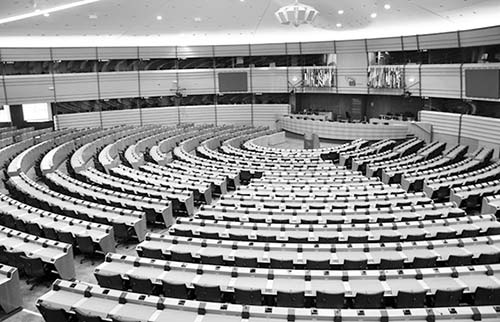
With the president facing them, they’re seated from left to right—both literally and politically—which means that from their perspective, they sit on the “wrong” side of the hall. This is done to foster empathy. Although most parliamentarians can speak English, in this setting they are encouraged to talk in their mother tongues—ensuring they will be fully comfortable in expressing their thoughts. That makes this the largest multilingual operation on the planet, with a very busy army of translators, who simultaneously translate every word into all 24 official languages.
House of European History
This high-tech museum does its part in the grander project to foster European unity. Its main theme is how history has shaped Europeans’ memories and daily lives from the 19th century to today. It works hard to show how fundamental characteristics of European culture—such as cooking, leisure activities, and politics—are distinctive in each country but also broadly similar. While well intentioned, it’s a little underwhelming, though still worth visiting for history buffs.
Cost and Hours: Free, includes multimedia guide; Tue-Fri 9:00-18:00, Sat-Sun from 10:00, Mon from 13:00; in Léopold Park behind the main EU buildings at Rue Belliard 135, +32 2 283 1220, www.historia.europa.eu.
Visiting the Museum: After passing through security, leave any bags in lockers on the ground floor. Head one floor up to pick up the multimedia tablet (essential, as most exhibits are not labeled), then up another floor to begin your visit. This initial floor skims big-picture topics such as Europe as a global power and a geographical entity; as you continue up floors you’ll move through various historical periods.
Exhibits explore European unification efforts post-World War II, as visionary leaders tried to overcome the continent’s many divisions. The Cold War’s brutal severing of Europe into eastern and western halves receives a lot of attention, as well as the dramatic fall of communist regimes in 1989 that stitched the halves back together. All of this is thoughtfully illustrated with historical objects, such as the cap worn by the “Irish liberator” Daniel O’Connell or a wall of class photos from the 1950s, ’60s, and ’70s from both sides of the Iron Curtain. The top floor muses on current issues confronting Europe.
Nearby: The worthwhile Royal Belgian Institute of Natural Sciences (Institut Royal des Sciences Naturelles de Belgique) sits practically next door to the European Parliament. Dinosaur enthusiasts come here for the world’s largest collection of iguanodon skeletons (€13; Tue-Fri 9:30-17:00, Sat-Sun 10:00-18:00, closed Mon; Rue Vautier 29, +32 2 627 4211, www.naturalsciences.be).
Park of the Cinquantenaire Museums
Standing proudly in a big park in eastern Brussels is a trio of sprawling museums housed in cavernous halls: the Royal Museum of the Armed Forces and Military History, Autoworld, and the Museum of Art & History. These attractions thrill specialists but bore most others.
The complex itself is interesting to see. There’s a huge Neoclassical triumphal arch, and the place is surrounded by a spacious park (Parc du Cinquantenaire). It has a grandiose history: The ambitious 19th-century Belgian king Leopold II wanted Brussels to rival Paris. In 1880, he celebrated the 50th anniversary (cinquantenaire) of Belgian independence by building the arch flanked by massive exhibition halls, which today house the museums.
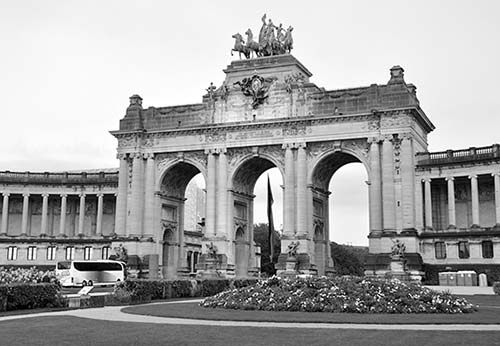
Getting There: Take Métro line 1 or 5 from the city center to the Merode stop. After taking the escalators up, exit the station following signs to Yser/IJzer, then cross the street toward the park and walk to the big arch. Autoworld is to the left of the arch, the military museum is to the right, and the Museum of Art and History is around the far side of the Autoworld building (follow signs).
▲Autoworld
A cavernous hall filled with 400 historic cars shows the vast array of motorized vehicles built over the last century-plus. The place is made for browsing—each car is clearly labeled. Besides historic cars, Autoworld always features some of the latest and hottest designs. Vroom.
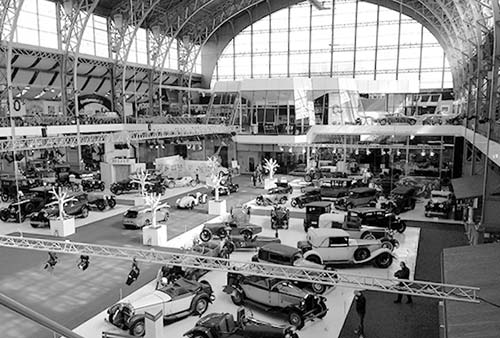
There’s an audioguide and some English descriptions, but for much of it, you’re left to either bring your own knowledge or simply admire the high-polish gleam.
Cost and Hours: €17, includes audioguide; Mon-Fri 10:00-17:00, Sat-Sun until 18:00; in Palais Mondial, Parc du Cinquantenaire 11, +32 2 736 4165, www.autoworld.be.
Visiting the Museum: Start by tracing the history of automobiles, decade-by-decade, along the right wall. (But first up, admire the humongous green 1929 Minerva sedan at the entrance—a rarity by Belgium’s best-known automaker, which went defunct in the 1950s.)
As you work your way counterclockwise through the ground floor, you’ll see the first handmade cars—basically converted horse carriages. Then comes mass production (introduced by America’s Henry Ford) and the big luxury cars of the 1920s. During the Great Depression, small economy cars were in vogue—France’s Citroën and Hitler’s brainchild, the Volkswagen. It was Hitler and Mussolini who built the first freeways to quickly mobilize troops in wartime. The postwar years produced monstrous gas-guzzling cars for the suburban masses—particularly in America.
Head upstairs to the sporty ’60s, the fuel-efficient ’70s (after the Arab oil embargo of 1973), and the international brands of the ’80s and ’90s. Then just browse the rest of this vast collection.
▲Royal Museum of the Armed Forces and Military History (Musée Royal de l’Armée et d’Histoire Militaire)
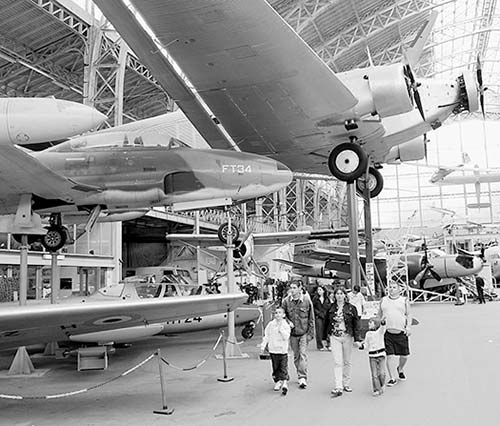
Wander through this enormous collection of weaponry, uniforms, tanks, warplanes, and endless exhibits about military history, focusing on the 19th and 20th centuries. The museum is filled with real, tangible history. It’s an impressively complete nirvana for fans of military history and aviation (but skippable for those who think a “panzer” is a pretty flower).
Cost and Hours: €12, credit card only; Tue-Sun 9:00-17:00, closed Mon, last entry one hour before closing; 1.5-hour guided tours in English cost about €90, book on website at least three weeks in advance; Parc du Cinquantenaire 3, +32 2 737 7811, https://klm-mra.be.
Visiting the Museum: As you enter, your bag may get a security check. Exploring the whole place is exhausting, so be selective. English summaries are provided for each section, but specific descriptions appear only in French and Dutch.
Here’s how I’d organize my visit. From the entrance, go straight ahead, through the Belgian military history section—seeing Belgian flags, cannons, uniforms, and Leopold II’s tricycle (midway along). This leads to exhibits on World War I and World War II (which, naturally, are strong on the role of Belgium). The grand finale is the vast (and I mean vast) aviation hall filled with warplanes. You’ll see WWI biplanes and WWII fighters, plus a Soviet MiG fighter (with camouflage paint) that crashed in Belgium in 1989 (one of the last airspace violations of the Cold War). Some of these planes are one-of-a-kind relics—including a French Nieuport fighter, a Schreck seaplane, and two German observation planes from World War I. There’s much more to the museum, including the arms and armor section (access it through the gift shop near the entrance).
Finish your visit at the Panorama—the stunning viewpoint atop the Cinquantenaire arch. The elevator is near the museum’s entrance lobby and gift shop—follow signs to Arcades and Panorama. You’ll enjoy Napoleonic views over the park complex and the Brussels skyline—some of the best in the city. Find the distant Atomium and the curved glass arch of the European Parliament.
Museum of Art and History
This varied, decent (but not spectacular) collection features artifacts from many cultures—both European and non-European—ranging from prehistoric times to the present. As you wander the near-empty halls, you’ll see fine tapestries, exquisite altarpieces, impressive Islamic and antiquities collections, gorgeous Art Nouveau and Art Deco, and a “museum of the heart” (featuring various creative depictions of everyone’s favorite organ, donated by a local heart doctor).
Cost and Hours: €10; Tue-Fri 9:30-17:00, Sat-Sun from 10:00, closed Mon; some galleries closed for renovation—check website, limited English information; hiding behind Autoworld at Jubelpark 10, Parc du Cinquantenaire, +32 2 741 7331, www.artandhistory.museum.
Visiting the Museum: The collection is arranged somewhat haphazardly; pick up the brochure at the entry to figure out which items you’d like to find. As you enter and stand under the rotunda, to the left is the Non-European wing (Native American, Maya, Asian), and to the right is European (Gothic-Renaissance-Baroque tapestries, altarpieces, and jewels).
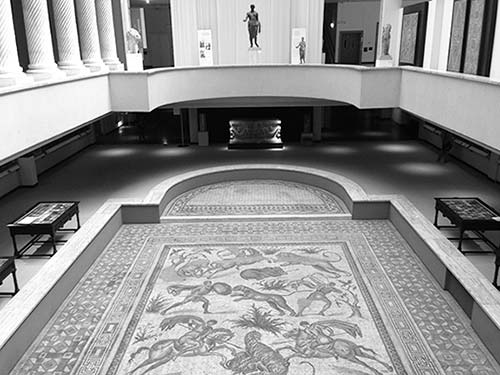
A highlight is the Antiquities wing: From the rotunda, head left, then turn left at the totem pole. Start in Rome, in a spacious hall with a vast floor mosaic of an animal hunt, overseen by a bronze statue of Emperor Septimius Severus. There’s a room-sized model of ancient Rome (on the same level as the floor mosaic)—find the Colosseum, the Circus Maximus chariot-race course, and the grand buildings of the Forum in between. (Ask when the next model demonstration takes place.) On other floors, you’ll find Greek pottery and a reconstructed Egyptian tomb you can walk inside.
▲Matongé Neighborhood
About one of every 10 Brussels residents claims African ancestry. Wedged between the campus of the European Parliament and the royal sights of the Upper Town is the Matongé (mah-tong-gay) district, a mélange of African immigrant culture, turn-of-the-century architecture, and young Bruxellois in search of a trendy scene in an “emerging” neighborhood. Consider riding the Métro to Matongé, exploring the neighborhood, and staying for lunch or dinner. I’ve recommended several restaurants in this section; for detailed listings, see here.
Getting There: Take Métro line 2 or 6, or bus #71, to Porte de Namur/Naamsepoort (Métro requires a transfer from line 1 or 5 if traveling from city center). From the European Parliament, it’s a 15-minute walk to Porte de Namur.
Background: Matongé, part of the Ixelles district of Brussels, had ties to Africa even before any Africans lived here. Back when Belgian Congo was a colony, many of its administrative offices were located in this part of Brussels. A Congolese choir was invited to perform at the 1958 World’s Fair, and soon after, several of the performers decided to return to Belgium to study at the university. A local aristocrat bought them a residential building in this neighborhood. More and more immigrants arrived—from Congo and throughout Africa—and soon the neighborhood was nicknamed Matongé (after a market district in the Congolese capital, Kinshasa). For decades, Matongé was a center of “Belgican” (Belgian African) culture, although more recently it supports large Indian, Pakistani, and Latin American communities. And now, drawn by fine old buildings and a central location near the European Parliament, a younger, richer clientele is easing into the neighborhood, and rents are on the rise.
Matongé Walk
To trace the route of this walk, see the map on the following page.
From the Porte de Namur/Naamsepoort Métro station, exit toward Chaussée d’Ixelles/Elsensesteenweg and Chaussée de Wavre/Waversteenweg. Riding the escalator up into the square, head uphill, up Chaussée d’Ixelles (with your back to the giant traffic circle and modern monument). As this busy street becomes pedestrianized, the character of the neighborhood is becoming more inviting. Notice the street art mural (Porte de Namur! Porte de l’Amour?) high above on the right, celebrating this immigrant community and the diversity brought by the 180 nationalities that come together in Brussels.
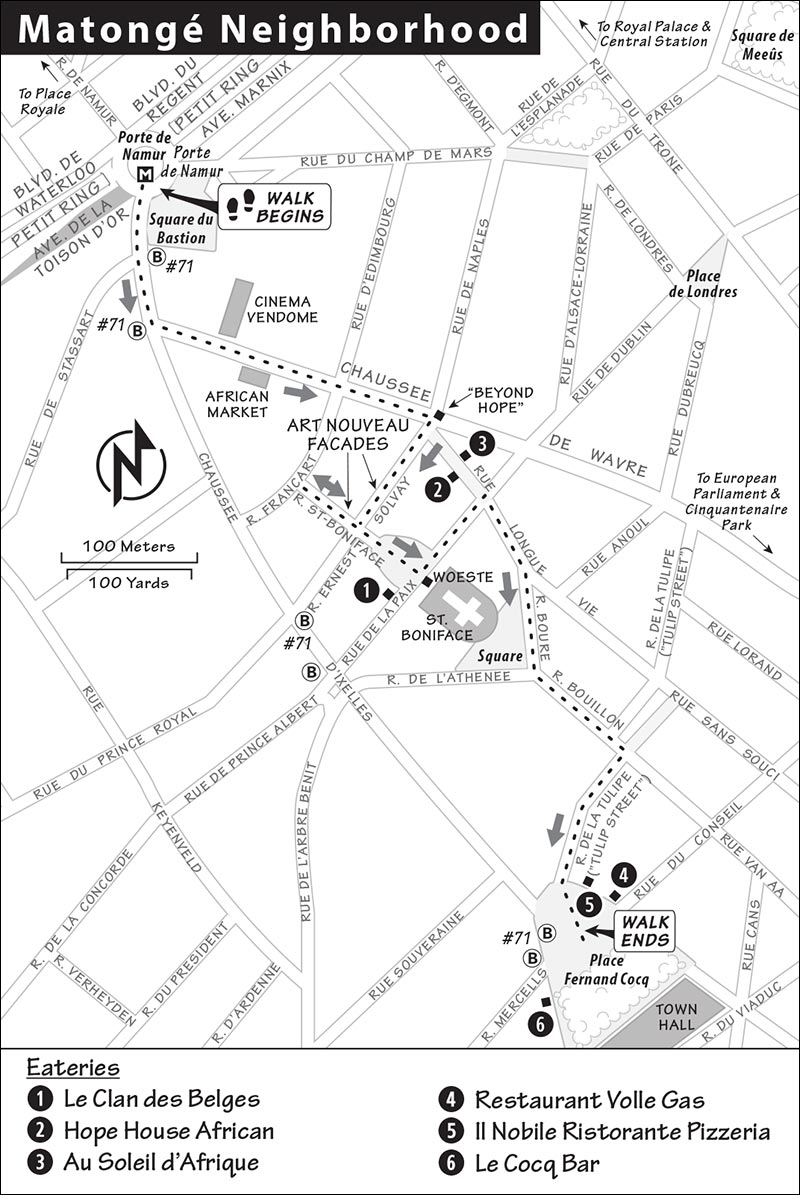
Take the first left down Chaussée de Wavre. You’ll pass the landmark Cinéma Vendôme art house theater on your left. Soon after, on your right, look for the entrance to the bustling African market. The sign Souriez, vous êtes à Matongé means “Smile! You are in Matongé.” Enter the market, or simply keep strolling down the street—passing taste-of-Africa grocery shops (displaying cassava, plantain, and other ingredients used in Congolese cooking), boutiques selling colorful batik fabric, and neighborhood-gathering-place barbershops and hair salons.
After two blocks, you reach a little crossroads. A statue here is called Beyond Hope. Made of spent cartridges welded into the shape of a woman and a child and splattered with red paint, it remembers the real victims and the hopelessness of the ongoing strife in Congo.
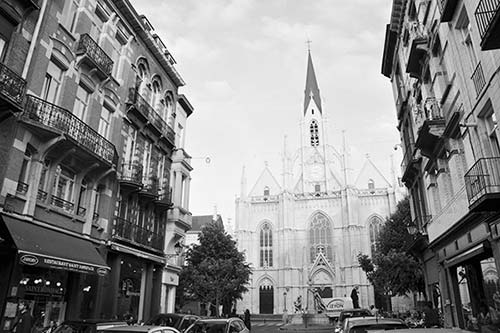
Turn right down Rue Ernest Solvay to find a collection of multicultural shops under mostly neglected Art Nouveau facades. Soon you’ll arrive at the cross-street of Rue Saint-Boniface. This energetic café row, which dead-ends at the front door of St. Boniface Church, is one of Matongé’s most gentrified drags. It has a decidedly urbane-Bruxellois vibe, with busy brasseries and cafés and an eclectic range of eateries in both directions. Explore a bit, and don’t miss the lovely (if faded) Art Nouveau facades at #17 (housing the Comptoir Florian teahouse) and #19.
Wander slowly up toward the church—window-shopping for a drink or meal—to a green statue just before the church. The statue remembers Charles Woeste, a Catholic prime minister who died in 1922. He supported the brutal colonial policies of Leopold II and was anti-socialist and anti-Flemish—an all-around hard-right conservative. Like statues commemorating Confederate heroes in the US, this statue is controversial and will likely be taken down soon. Pause to imagine this neighborhood a hundred years ago.
Facing the church, turn left on Rue de la Paix. At the end of the block, you’ll run into Rue Longue Vie. On a nice evening, this street is the buzzing center of Matongé, with two popular African restaurants to your left (Au Soleil d’Afrique and Hope House African).
Turn right down Rue Longue Vie, then immediately right again on Rue Bouré. At the cute little square behind the church, take a left, then a right down “Tulip Street” to find your way to charming Place Fernand Cocq. This leafy, triangular square—facing the Town Hall of the district of Ixelles—feels a world away from the African vibe just a few streets away. A dozen cafés, bars, and restaurants compete for your attention, all with inviting sidewalk tables.
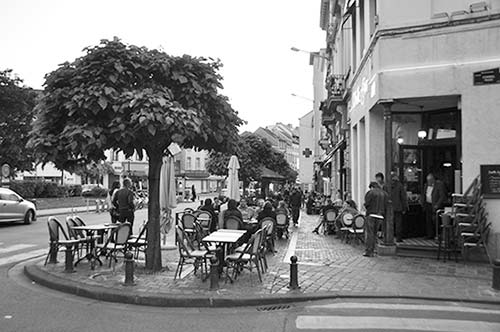
When you’re ready to head back, head away from the Town Hall and down Chaussée d’Ixelles all the way back to the Métro.
NORTH OF DOWNTOWN
1958 World’s Fair Grounds Sights
These sights are next to each other about four miles north of the Grand Place at Heysel.
Getting There: It’s a 20-minute Métro ride from the center to Heysel/Heizel; from there, walk about five minutes toward the can’t-miss-it Atomium. To reach Mini-Europe, follow the Bruparck arrows.
Atomium
This giant, silvery scale model of an iron molecule, with escalators and stairs connecting the various “atoms” and a view from the top sphere, was the über-optimistic symbol of the 1958 World’s Fair. It’s Brussels’ answer to Paris’ Eiffel Tower, Seattle’s Space Needle, and St. Louis’ Gateway Arch.
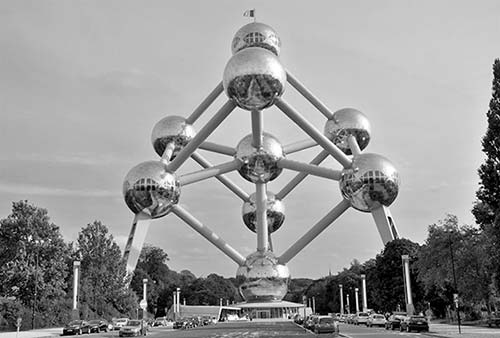
Your ticket includes an elevator ride to the panorama deck, with views over the fairgrounds and Mini-Europe (which looks really mini from up here). From there, you’ll meander on endless escalators and stairs through five of the nine balls on your way back down. The audioguide provides a good explanation of the building and the 1958 World’s Fair, including sound clips from people who attended.
Cost and Hours: €16, €32 combo-ticket with Mini-Europe, daily 10:00-18:00, free audioguide app, overpriced restaurant inside, +32 2 475 4775, www.atomium.be.
Nearby: Your Atomium admission also covers entry into the ADAM: Brussels Design Museum, with changing exhibits on 20th-century style (€10 without Atomium ticket, includes audioguide, +32 2 669 4929, www.adamuseum.org).
Mini-Europe
This kid-pleasing sight, sharing a park with the Atomium, has 1:25-scale models of 350 famous European landmarks such as Big Ben, the Eiffel Tower, and Venice’s canals. The “Spirit of Europe” indoor exhibit has educational interactive games about the EU.
Cost and Hours: €23, cheaper online, €32 combo-ticket with Atomium; daily 9:30-18:00, July-Aug until 19:00, shorter hours off-season, closed Jan-mid-March, last entry one hour before closing; +32 2 474 1313, www.minieurope.com.
OUTSIDE BRUSSELS
▲AfricaMuseum
This worthwhile museum, housed in an immense palace surrounded by a vast park in the town of Tervuren, focuses on Central Africa, including its ethnography, sculpture, jewelry, flora, and fauna. Besides cataloging the region’s abundant natural wonders, the exhibits confront Belgium’s colonial history in Congo and incorporate contemporary art and commentary.
Cost and Hours: €13, Tue-Fri 10:00-17:00, Sat-Sun until 18:00, closed Mon, +32 2 769 5200, www.africamuseum.be. A good €€ restaurant upstairs in the entry building serves traditional Central African dishes.
Getting There: The museum is at Leuvensesteenweg 13 in the town of Tervuren. By public transit, Tervuren is about an hour east of Brussels. Take Métro line 1 (direction: Stockel/Stokkel) to Montgomery, and then catch tram #44 and ride it about 20 minutes to its final stop, Tervuren. Cross at the crosswalk and follow signs to the museum. The entrance and ticket desk are in a modern glass building a few hundred yards from the palace.
Visiting the Museum: After buying your ticket in the modern entry building, you’ll go down some stairs and then through a tunnel to the palace, where themed rooms (and a grand rotunda) frame a central courtyard. Exhibits were installed here at the turn of the 20th century primarily to showcase valuable Central African resources—rubber, ivory, wood, and minerals—in order to attract Belgian investors. It worked, and decades of exploitation followed. Over the years, the name and purpose of the museum changed along with the changing status of Congo: from territory seized for private investment, to Belgian colony, to independent state. A major renovation that concluded in 2018 embraced the challenge of “decolonizing” the museum’s exhibits. Note the interesting approach taken in the rotunda (on the other side of the courtyard from the entrance), where heroic colonial statues were deemed too historically important to remove from their niches. Instead, veils were hung in front of the statues, printed with images reinterpreting colonial ideals. Two modern sculptures by Congolese artist Aimé Mpane add to the conversation.
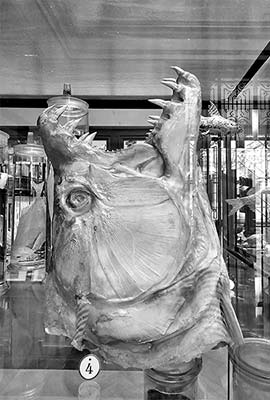
Two large rooms on either side of the entrance offer a rich introduction to Central African culture, both past and present. “Rituals and Ceremonies” displays a fascinating array of sculptures, masks, and costumes, while “Languages and Music” provides a wonderfully detailed examination of African means of communication. You can listen to various languages, play a talking drum, and learn how even clothing can communicate. Large rooms on the opposite side of the courtyard explore African ecosystems and the challenges of responsible resource extraction, good governance, and sustainability. Numerous creatures are on display, either as models, stuffed, or in formaldehyde. Other rooms trace history through archaeological finds and consider the mutual influences between Africa and Europe. The objects on display represent a fraction of the specimens, artifacts, and archives belonging to the museum, which remains a center for research and continues to confront—and ask viewers to consider—the provenance of its collection.
Battle of Waterloo Sights
For anyone who lived through 9/11, it’s clear that history can pivot in just one day. On June 18, 1815, the fate of Europe was decided on farm fields about 10 miles south of Brussels. More than 40,000 men were killed or wounded in a day-long struggle that ended the reign of Napoleon and made Britain the superpower of the 19th century.
Planning Your Time: While it’s called the Battle of Waterloo, the action really took place about a mile south of the town. If you have time for only one sight, make it the Mémorial 1815 museum, with spectacular displays and a movie experience not to be missed. Those with more time can consider visiting the ho-hum town of Waterloo and the Duke of Wellington’s headquarters (Wellington Museum, of most interest to British military aficionados, www.museewellington.be), or Hougoumont Farm, a decisive battlefield site (described later). Another sight in Waterloo, Napoleon’s Last Headquarters, is a sad attempt to give equal time to the emperor—skip it.
Getting There: A car works best, as the battlefield sites are scattered. The Mémorial 1815 museum is about a 30-minute drive south of Brussels. Leaving central Brussels, take the E-19 motorway toward Charleroi, exit onto the R0 ring road (direction: Waterloo), and get off at exit 25 (signed Lasne/Braine-l’Alleud). Turn right at the end of the ramp and park in the lot on the left.
By public transit, you can take a train/bus combo to the museum: Ride the train from Brussels to Braine-l’Alleud (2/hour, 20 minutes, direction: Charleroi-Central). Outside the station in Braine-l’Alleud, hop on the W bus (€3.50, pay driver in cash—coins or small bills only; 3/hour Mon-Fri, 2/hour Sat-Sun). Check the board for the stop location: Bus stops are on both sides of the tracks, and the W stop may be on the opposite side from the station. Get off at the Route de Nivelles stop (you may need to press the button to request the stop; look for an Esso gas station across the street). Head for the traffic lights, where signs will point you to the 1815 Memorial—you’ll see the big Lion’s Mound. It’s a five-minute walk to the museum.
Background: By 1815, the Grand Alliance (England, Prussia, Austria, and Russia) had defeated Napoleon, sending him into exile on Elba and putting Louis XVI’s brother on the French throne. It was as if the French Revolution never happened. But on March 1, 1815, Napoleon escaped and returned to France, driving out the king and restoring his army to its former glory. His rise sent shockwaves throughout Europe, and members of the alliance pledged 150,000 troops to rout him.
Napoleon’s best chance was to attack the allied armies separately, before they had a chance to unite. On the day of the Battle of Waterloo, 72,000 French faced off against 68,000 British and Dutch troops under the Duke of Wellington. Within marching distance of the battlefield were 45,000 Prussians under General Gebhard von Blücher.
Wellington, a master of defense, took the high ground and hunkered down atop a ridge. Napoleon advanced, but then paused to let the field dry from the previous night’s rainfall. This, some say, was his fatal mistake. Napoleon finally attacked, and Wellington pushed back. Meanwhile, the Prussians attacked the nearby village of Plancenoit.
Napoleon realized he had to act quickly or he’d have to fight both armies on the battlefield. He had no choice but to send in his elite Imperial Guard. But the British surprised the guard by rising up from the cover of a wheat field. As the French corps retreated in chaos, Wellington swooped down from the ridge while Blücher’s soldiers punched through. By nightfall, the British and Prussian armies had come together. The Prussians even captured Napoleon’s abandoned carriage, chock full of diamonds—the booty later became part of the Prussian crown jewels. Napoleon’s reign of glory was over, and Waterloo became a metaphor for a crushing defeat.
▲▲Mémorial 1815
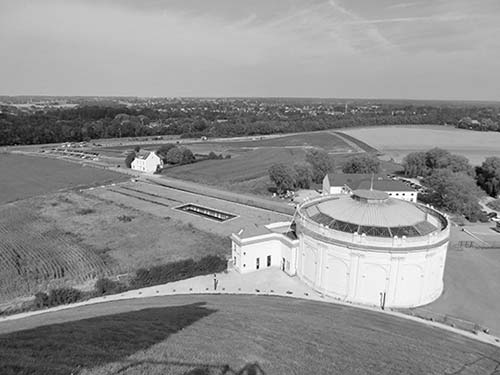
Built for the 200th anniversary of the battle, Mémorial 1815 is an ultramodern museum that doles out its history in small doses. With its smart design, you can skim the surface with your audioguide or plunge into the arcane depths of the Napoleonic wars for hours. April through October, costumed docents are around to describe life as a soldier, show how surgery was performed on the wounded, and demonstrate weapons.
Cost and Hours: €23, cheaper off-season, includes Mémorial 1815 (with free audioguide app), Panorama, Lion’s Mound, and Hougoumont Farm; free tours in English usually 2/day except off-season; daily 10:00-18:30, July-Aug 9:30-19:30, Nov-March 10:00-17:30; +32 2 385 1912, www.waterloo1815.be. Don’t bother getting the Pass 1815 (€29), unless you’re also visiting the Wellington Museum.
Visiting the Museum: A large diorama just past the ticket desk lays out the entire battlefield, which you can explore with the excellent audioguide. You’ll then enter a series of rooms charting the French Revolution, Napoleon’s rise to power, and his conquest of most of Europe. Next you’ll walk down a long corridor between life-size models of the two armies—Napoleon’s on one side and Wellington’s on the other. It’s a brilliant display of military equipment and uniforms that also serves as a timeline leading up to the battle. You can listen to personal stories of soldiers who fought here. At the end of the corridor, wax figures (from 1949) enact two scenes from before the battle: a meeting of Napoleon’s generals, and the uneasy sleep of war-weary soldiers.
The star of the museum is the “4-D” movie that clearly explains the events of the day. It’s really a 3-D movie augmented by special effects. You’ll feel the ground tremble during a cavalry charge and smell the smoke of a burning farmhouse. Best of all, you’ll clearly understand the major turning points in the battle: Napoleon’s delay, relentless cavalry attacks, the siege of a crucial farm complex, the Prussians’ arrival, and the final charge of the Imperial Guard—and how the British soldiers surprised them. The concluding scenes of the post-battle carnage send a not-very-subtle message that this must never happen again.
Your visit ends with an interactive map of the battlefield; more displays of uniforms, weaponry, and bones found at Waterloo; and a collection of satirical maps illustrating the political pressures in Europe in the 19th century.
Panorama: Your ticket includes this 360-degree painting of the battle. Skip it unless you want to see a static Victorian rendering of what happened here.
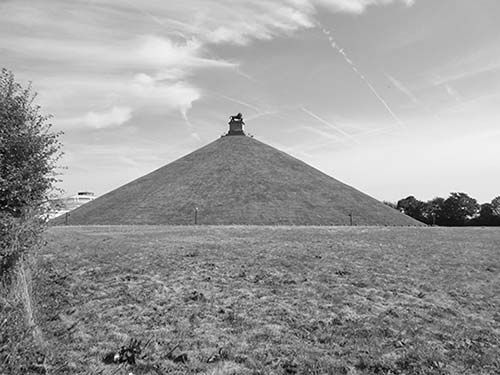
Lion’s Mound (Butte de Lion): This hill on a ridge where Wellington made his stand was also the likely site where the future King William II of the Netherlands was wounded by a musket shot. The Dutch commemorated their contribution to the battle by building a huge mound that ruined the battlefield geography—so most historians hate it. For visitors, it provides a sweeping view of the battlefield (after climbing 226 steep stairs).
Hougoumont Farm
This farm is one of the few relics of the battle to survive to this day—though much of it burned during the fighting (what you see is mostly a restoration). A fine, 20-minute movie in English explains why the farm was key to Wellington’s victory. Just prior to the battle, the British fortified its brick buildings. French troops could not make a direct attack on British lines without facing withering fire from the farm. Somehow the British troops and their Hanoverian allies managed to hold it despite repeated French assaults. At one legendary moment, 40 French soldiers started pouring in, but 10 English and Scottish soldiers somehow closed the gates behind them. All the French soldiers inside were killed except for their 10-year-old drummer boy. When the day was over, more than 6,000 soldiers perished at the farm. Wellington later said, “The success of the battle turned upon closing the gates at Hougoumont.”
Cost and Hours: €9, included in admission to Mémorial 1815; July-Aug daily 10:00-19:00, Sept-Oct and April-June Sat-Sun only 10:30-18:00, Nov-March Sat-Sun 10:30-17:00. A free horse-drawn shuttle runs from Lion’s Mound every 15-20 minutes (except in winter). It’s also possible to walk from the visitors center (about 30 minutes)—battlefield buffs enjoy this chance to see the lay of the land away from crowds.