VIENNA, SALZBURG & TIROL
Top Destinations in Vienna, Salzburg, and Tirol
Map: Top Destinations in Vienna, Salzburg, and Tirol
SALZBURG AND THE SALZKAMMERGUT
Austria offers the-hills-are-alive scenery, world-class museums, cobbled quaintness, and great music. Unlike Germany, its industrious neighbor to the northwest, Austria is content to bask in its good living and opulent past as the former head of one of Europe’s grandest empires. Today, this small, landlocked country clings to its elegant history perhaps more than any other nation in Europe.
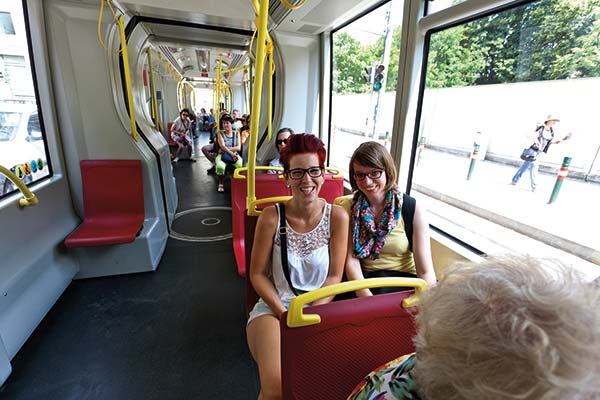
This book focuses on Austria’s capital city, Vienna—the cradle of classical music, the home of the rich Habsburg heritage, and one of the world’s most livable cities. Many buildings still reflect the elegance of the 18th and 19th centuries, when Vienna was at the forefront of the arts and sciences. The city center is skyscraper-free, pedestrian friendly, dotted with quiet parks, and traversed by electric trams. Within just a few steps, you can nibble a decadent slice of Sacher torte over coffee with new friends, watch trained stallions prance, and ogle the crown jewels of the Habsburg empire.
And there’s far more to experience in the surrounding area, from mountaintop hikes and medieval castles to sleepy river cruises and sky-high gondola rides. We’ll visit the romantic Danube Valley, Baroque Salzburg, postcard-pretty Hallstatt, and the mountainous Tirol region, including the Dolomites (just over the border in Italy). We also duck into Germany (Berchtesgaden and the Bavarian Alps) and the exciting capital of Slovakia—Bratislava.
For much of its 2,500-year history, Vienna (Wien in German—pronounced “veen”) was on the frontier of “civilized” Europe. Located on the south bank of the Danube, it was threatened by Germanic tribes (in Roman times), marauding Magyars (today’s Hungarians, 10th century), Mongol raiders (13th century), Ottomans (the sieges of 1529 and 1683), and the USSR (during the Cold War, it was surrounded on three sides by the Iron Curtain).
The Habsburgs—who ruled for seven centuries, until 1918—transformed Vienna into the capital of a sprawling empire with some 50 million subjects...the majority of whom didn’t even speak German. The Habsburgs built their empire by making love, not war. Empress Maria Theresa, who ruled in the late 1700s, was famous both for her astute leadership and for cleverly marrying many of her 16 children (including Marie Antoinette) into royal families around Europe.
Vienna reached its zenith in the 19th century, when it was on par with London and Paris in size and importance. This cultural powerhouse was home to groundbreaking composers (Beethoven, Mozart, Brahms, Strauss, Haydn), scientists (Freud, Doppler), architects (Wagner, Loos), and painters (Klimt, Schiele, Kokoschka). By the turn of the 20th century, Vienna sat on the cusp between stuffy Old World monarchism and “subversive” modern trends.
For many Viennese, the living room is down the street at the neighborhood Kaffeehaus. Each of Vienna’s many long-established coffeehouses has its own unique character (and characters). Some are grand and opulent, others are tired and shabby, and most come with famously grumpy servers. Yet they all somehow feel welcoming, with a “take all the time you want” charm for the price of a cup of coffee (you can typically order light lunches and fresh pastries as well).
Vienna’s café culture is, in a word, dignified. Even in our age of smartphone news alerts, it just feels right to borrow an actual newspaper—attached to a long wooden stick—and page through it over a cup of coffee.
According to legend, Vienna’s coffee craze began shortly after the Ottoman siege of the city. In the 18th century, coffee boomed as an aristocratic drink; by the 19th-century Industrial Age, when workers pulled 12-hour shifts, it became a hit with the working class, too.
Stopping for coffee and cake in a Vienna old center café is a ritual for me. As I take a seat in its smoke-and-coffee-stained interior—furnished just as it was on the day it opened back in 1880—I think of how my chair could have been occupied by any number of historical figures rattling around Vienna at the time. Trotsky, Hitler, Stalin, Freud—one of them could have been sitting here in the early 1900s, drinking a Mélange (as they would have called their cappuccino).
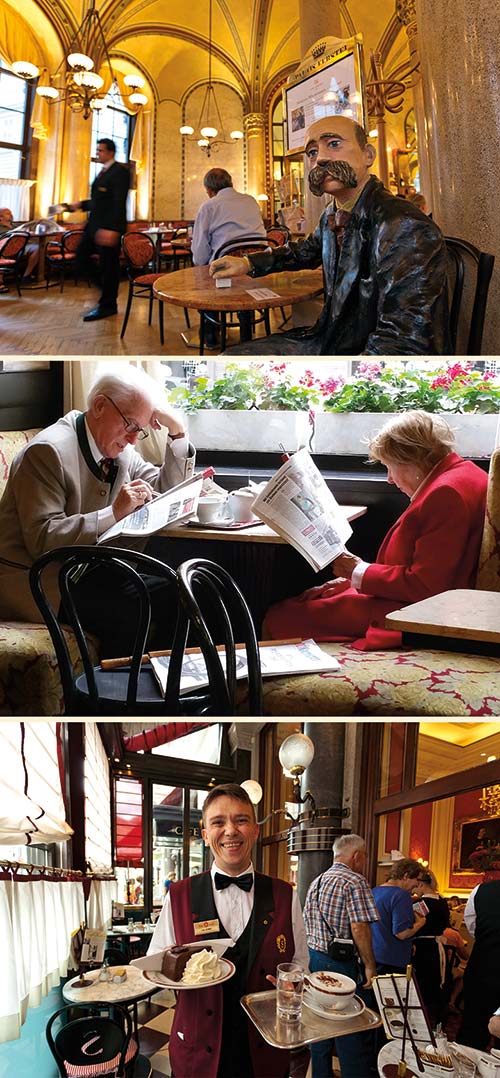
Vienna’s venerable coffeehouses are ideal places to linger and embrace the ambience.
As in Italy and France, Austrian coffee drinks are espresso-based. Old-timers remember when servers brought a sheet with various shades of brown (like paint samples) so customers could make clear exactly how milky they wanted their coffee.
Today, a few key terms—some of them unique to Vienna—are worth learning: A straight espresso is called Schwarzer or Mokka; Verlängeter is espresso “lengthened” with water, like an Americano. Or add milk: Brauner (“brown”) is just a splash of milk, Schale Gold (“golden cup”) has a little cream, and a latte is called Verkehrt (“inverted”) or simply Milchkaffee. For a complete list, see the Practicalities chapter.
It’s standard practice for your coffee to be served on a little silver tray, with a glass of tap water and perhaps a piece of chocolate on the side.
But why stop at coffee? Take part in the Austrian afternoon ritual of Kaffee und Kuchen: coffee and cake. Once you claim a table or sofa, make a trip to the glass display case to see the pastries and cakes of the day (the menu doesn’t list specials), and point to what you’d like. Sacher torte is the local specialty: a dense chocolate cake with a dark chocolate glaze and apricot jam between the layers, usually served with whipped cream.
While the “coffee-to-go” trend has been picked up by some bakeries and other shops, Starbucks never really caught on in a big way here. As aficionados of good living, the Viennese simply prefer their traditional approach.
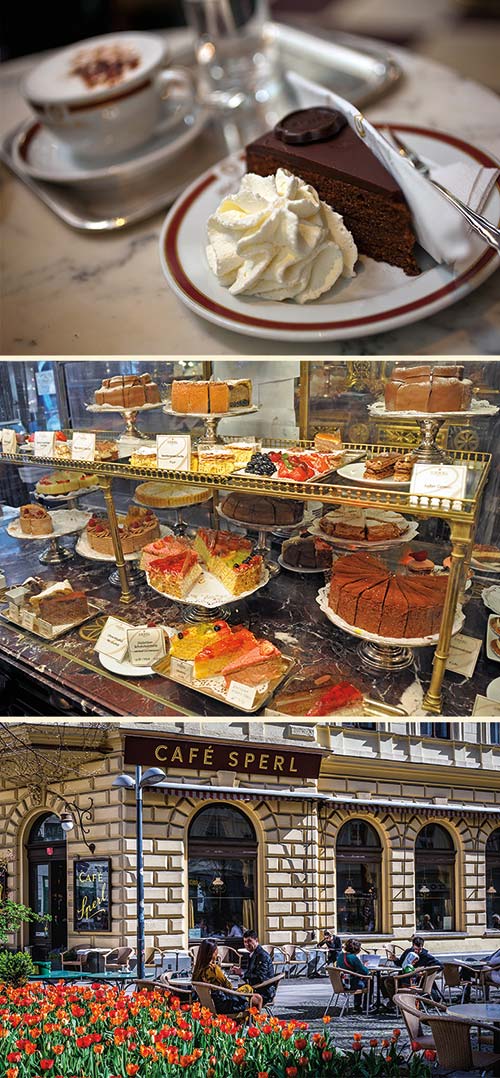
Sacher torte (top) is the most famous Viennese dessert, but be sure to survey all your options; you’ll also find a full array of coffees and even light lunches.
Make it a point to stop by a Viennese coffeehouse, enjoy the atmosphere as you leisurely sip your brew, and join Vienna’s café culture.
After the turmoil of two world wars and the loss of Austria’s empire, Vienna has settled down into a laid-back, pleasant place where culture is still king. Today, the city enjoys the cultural and physical remnants of its imperial past as both an inspiration and a playground for living well. It’s a city of top-notch museums, big and small. Compared with most modern European urban centers, the pace of life is slow. People nurse coffee and pastries over the daily paper at cafés. Classical music is everywhere, and the waltz is still the rage. The Vienna State Opera—with musicians in the pit provided by the Vienna Philharmonic Orchestra—is one of the world’s top opera houses. When the orchestra is off for the summer, free concert films play on a giant screen in front of city hall.
North of the Alps, Salzburg is the land of Mozart and Sound of Music sights, with a famous festival that draws music pilgrims each summer. And traditional folk music is deeply woven into the Austrian soul. The world’s best-loved Christmas carol, “Silent Night,” was written by Austrians strumming their guitars. Don’t be surprised if you hear yodeling for someone’s birthday—try joining in.
Much of Austria’s traditional character is found in its mountains—from Salzburg, ringed by cut-glass peaks; to Hallstatt, an adorable village on a narrow ledge between a mountain and an alpine lake; to Innsbruck, two-time host to the Winter Olympics. From Vienna’s doorstep, the Alps ripple ruggedly to the west, offering stunning scenery, vivid folk culture, and high-mountain adventure. Austrians excel at mountain climbing and winter sports—they’ve won more Olympic medals in alpine skiing than any other country.
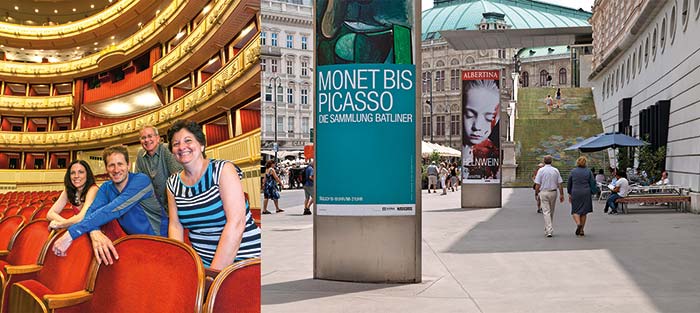
Tour the sumptuous Neo-Renaissance Vienna State Opera; visit the Albertina Museum to see splendorous palace state rooms and modernist artwork.
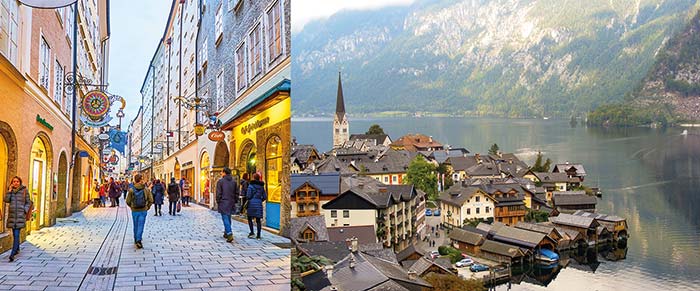
Getreidegasse, Salzburg’s main drag; idyllic Hallstatt in Austria’s Lake District
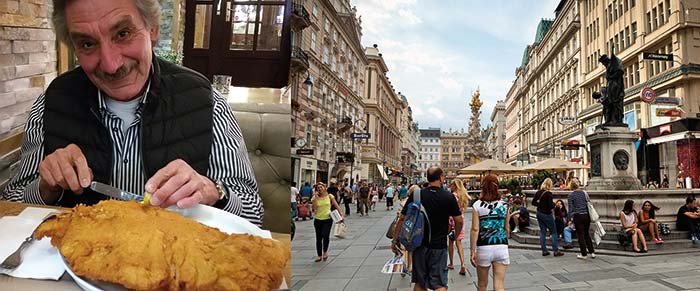
Austria’s tasty cuisine, like its old empire, is multinational. The Wiener schnitzel (a pork or veal cutlet pounded flat, breaded, and fried) is from Milan. Austria’s dumplings have roots in Bohemia. Goulash (a meat stew) is Hungarian, and Apfelstrudel is a mix of east and west: The dough—a wheat-based filo—is from the Turks (think baklava); the apples are from Germany.
Though bordered and influenced by eight other countries, Austrians cherish their distinct culture. This place feels mellow compared to Deutschland; Austrians are relaxed, gregarious people who love the outdoors as much as a genteel café, and who stroll as if every day were Sunday. Chatting with friends at a wine garden is not a special event but a way of life. Gemütlichkeit is the word most often used to describe this cozy-and-easy Austrian attitude.
It must be nice to be an empire in retirement—no longer troubled by being powerful, able to kick back and enjoy the good life, Austrian style: long vacations, wonderful pastries, and pristine nature.
Top Destinations in Vienna, Salzburg, and Tirol
While Vienna is this region’s main destination and springboard, some of the area’s best attractions are international detours. From Salzburg or Tirol, it’s a hop-skip-and-a-jump to Germany’s Bavaria (including Munich); from Vienna, it’s less than an hour to Slovakia’s capital, Bratislava (it’s said that if you know where to look, these are the only two European capitals that can be seen from each other). And from Innsbruck, a scenic drive south over the Brenner Pass brings you to Italy’s stunning rooftop, the Dolomites.
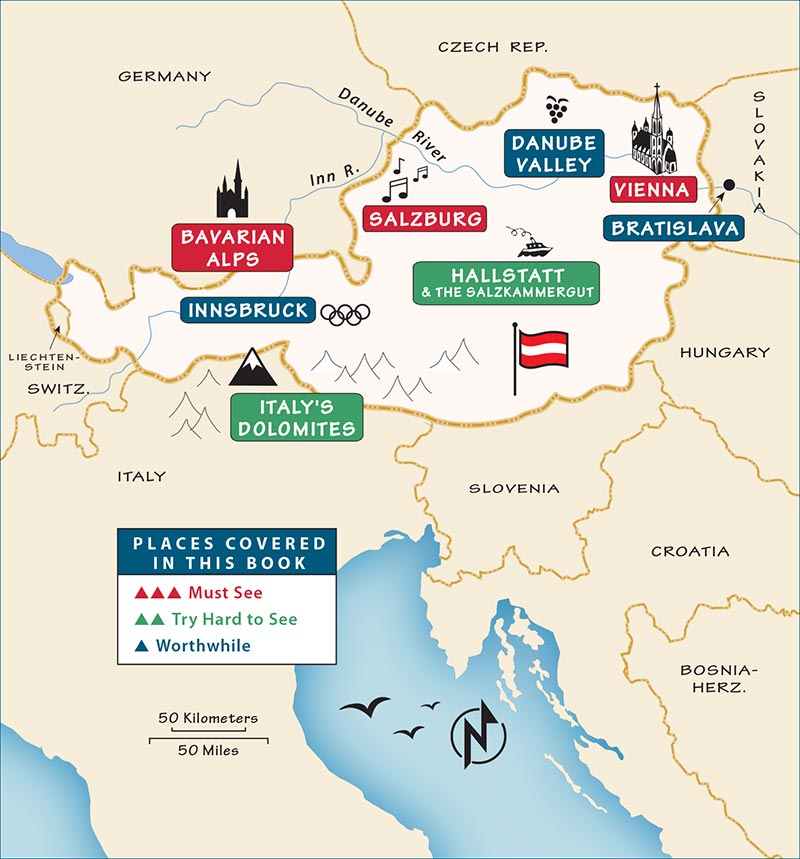
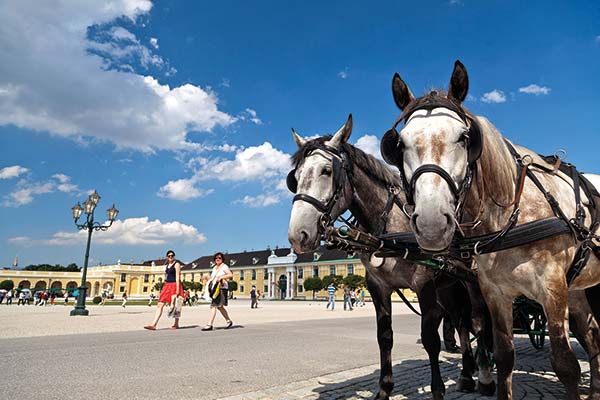
VIENNA AND NEARBY
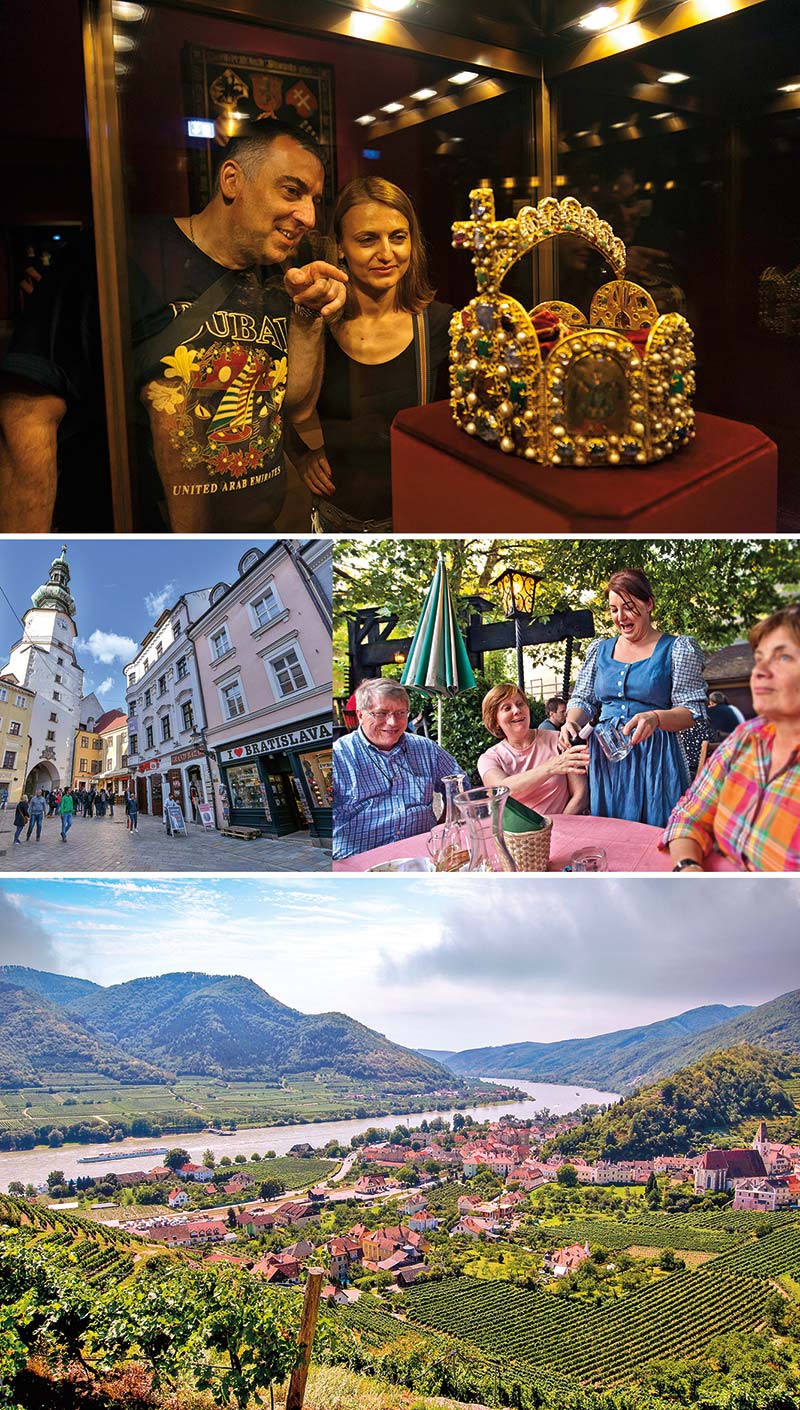
To help you plan your time, I’ve ranked your options, and suggested how much time to allow.
▲▲▲Vienna (allow 2-3 days)
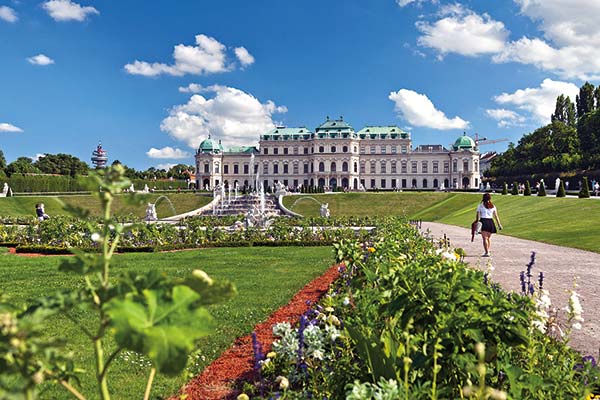
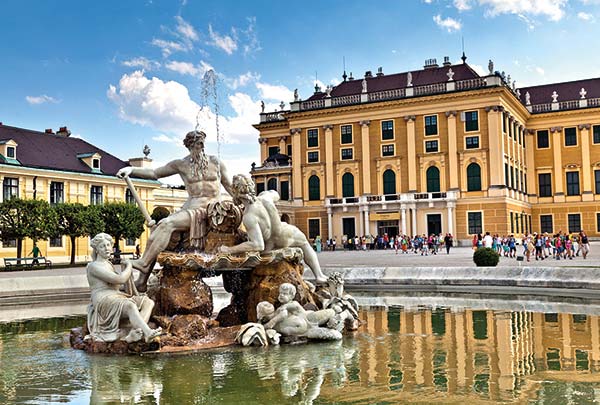
Austria’s regal capital is rich with swirling architecture and world-class museums (including the art-packed Kunsthistorisches); towering St. Stephen’s Cathedral; impressive Habsburg sights at the Hofburg (royal apartments, treasury, crypt, museums, and Lipizzaner stallions); and a classical-music tradition, from the Vienna State Opera to the famed Boys’ Choir. Beyond the center lie stunning palaces, from the Belvedere (with grand views and top-notch modern art) to sumptuous Schönbrunn, the Habsburgs’ answer to Versailles.
▲Danube Valley (1 day)
West of Vienna lies this romantic, bikeable valley, dotted with ruined castles, adorable villages, and vineyards. Its highlight is the beautiful Wachau stretch between the towns of Melk (with its glorious abbey) and Krems. Farther west is the powerful Mauthausen concentration-camp memorial—Austria’s most poignant and accessible place to learn about the Holocaust (worth ▲▲▲ for those with an interest in 20th-century history).
▲Bratislava, Slovakia (1 day)
This capital city, once dreary and depressed under communism, is now thriving and forward-looking. Just down the Danube from Vienna (and on the way to Budapest, Hungary), Bratislava bustles with colorfully restored historic buildings, a strollable old town, and a modern people-friendly riverbank.
SALZBURG AND THE SALZKAMMERGUT
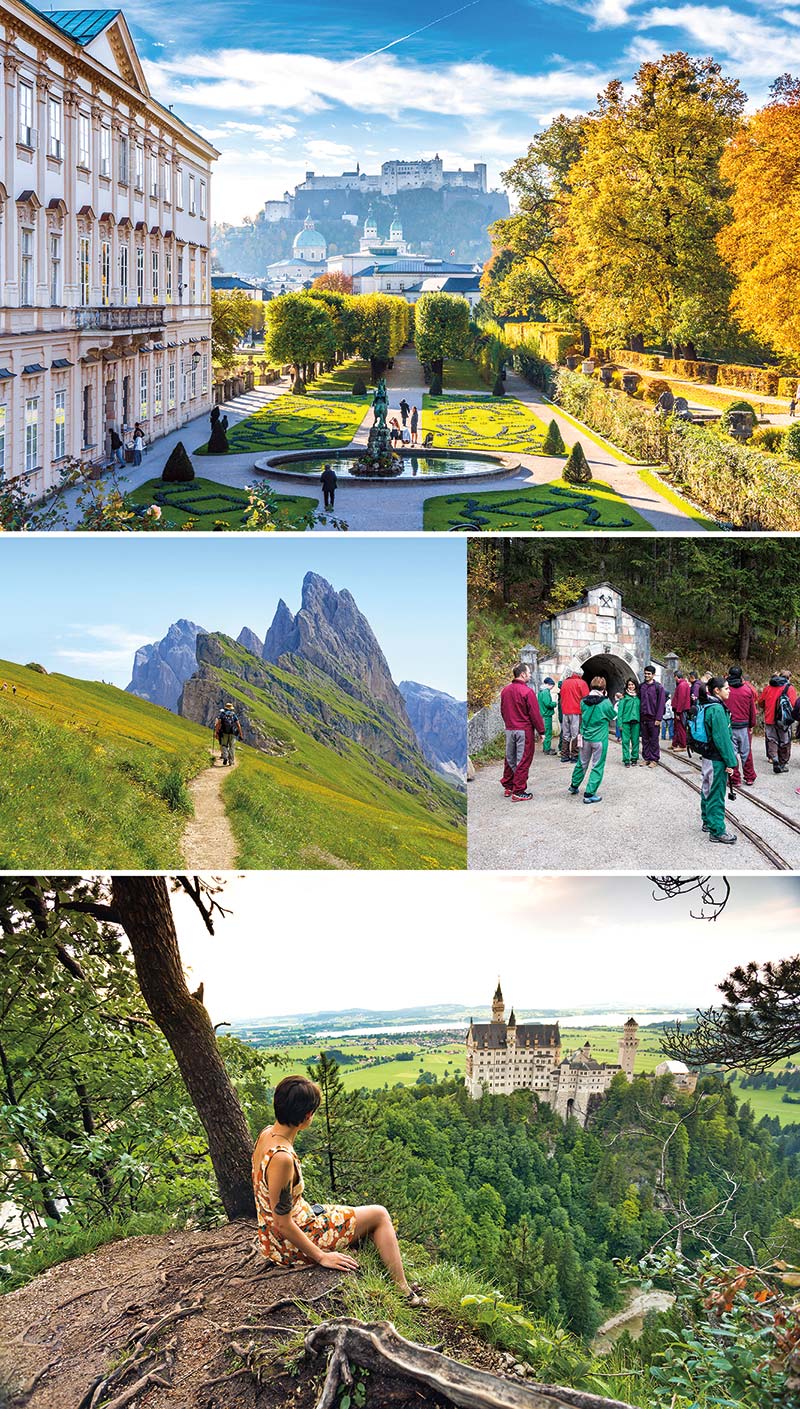
▲▲▲Salzburg (2 days)
For fans of Mozart and The Sound of Music, a visit to this lovely, tidy city in the foothills of the Alps is a pilgrimage. For everyone else, Salzburg offers a stout castle, Baroque churches, near-nightly concerts, an old town full of winding lanes, and easy access to the scenic Austrian countryside. Nearby, Berchtesgaden (in Germany), the site of Hitler’s “Eagle’s Nest” mountain stronghold, is soaked in alpine scenery and Nazi history; it’s worth ▲▲▲ for historians.
▲▲Hallstatt and the Salzkammergut (1 day)
The dramatically scenic—if touristy—village of Hallstatt enchants with its adorable town center, fun salt mine, plentiful hiking opportunities, and placid lake dotted with swans. It’s nestled in the heart of Austria’s famous Salzkammergut Lake District.
TIROL
▲Innsbruck (1 day)
This winter-sports mecca is the capital of Austria’s panhandle Tirol region; visitors ogle its Golden Roof and other Habsburg sights, check out its famous ski jump, and ride lifts up to mountaintop views. Teensy Hall, a village just up the river, is a low-impact alternative with a quaint old center.
▲▲▲Bavarian Alps (2-3 days)
This mountainous region boasts sights on both sides of the Austria/Germany border: the fairy-tale castles of Neuschwan-stein and Hohenschwangau; inviting villages such as Füssen and Oberammergau; the towering Zugspitze and its high-altitude lifts; lavish Rococo landmarks like the Wieskirche and Linderhof Palace; and hiking, luge, and other mountain activities.
▲▲Italy’s Dolomites (1-2 days)
The South Tirol—historically Austrian—is today part of the bilingual, bicultural Italian Alps. From charming little Castelrotto and bustling Bolzano (home of Ötzi the Iceman), lifts link to the alpine meadows of Alpe di Siusi, laced with more lifts and hiking trails.
Planning Your Trip
To plan your trip, you’ll need to design your itinerary—choosing where and when to go, how you’ll travel, and how many days to spend at each destination. For my best general advice on sightseeing, accommodations, restaurants, and more, see the Practicalities chapter.
DESIGNING AN ITINERARY
As you read this book and learn your options...
Choose your top destinations.
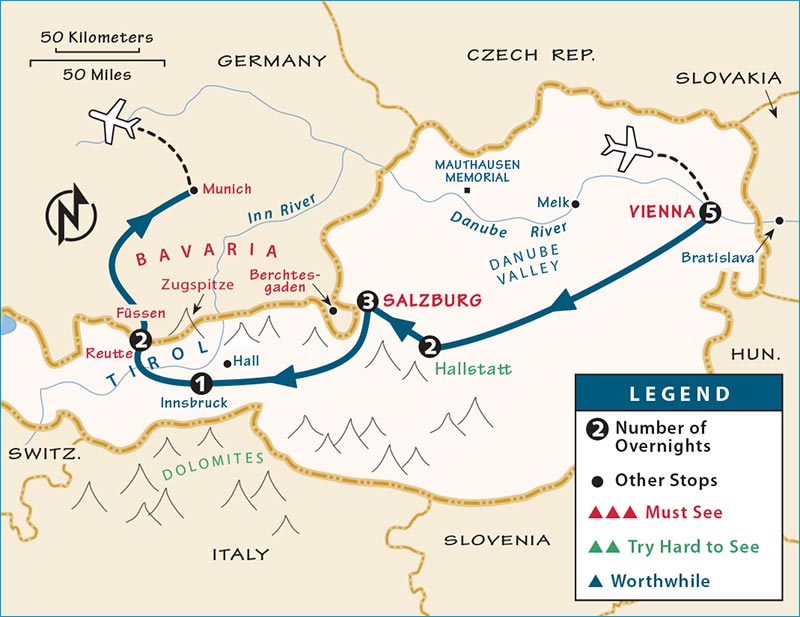
My recommended itinerary (see the sidebar on here) gives you an idea of how much you can reasonably see in 14 days, but you can adapt it to fit your own interests and time frame.
For classical music, museums, and culture, linger longer in Vienna and Salzburg. For mountains, focus on Salzburg, the Bavarian Alps, Innsbruck, and the Dolomites. And for a peek at Slovakia’s energetic capital on the Danube, head to Bratislava.
Decide when to go.
The main tourist season for Vienna runs roughly from May through September. Summer has many advantages: the best weather, very long days (light until after 21:00), and the busiest schedule of tourist fun. But crowds are a problem, and two Viennese institutions—the State Opera and Boys’ Choir—don’t perform in July and August. (The Lipizzaner stallions also take a break, from mid-June to mid-August).
Salzburg is fun, festive, jammed, and expensive from mid-July through August, when it hosts the Salzburg Festival (the most famous of its many musical happenings). In the mountains, the summer hiking season—when upper lifts are operating and trails are open—is a bit shorter, starting in late May or early June and ending when the cows come home, in mid- to late September.
In spring and fall, travel tends to be less crowded and can be cheaper. The weather is decent but less predictable—especially if you’re heading to the mountains (pack layers, prepare for chilly evenings, and expect rainy days to alternate with sunny ones). Some high-altitude lifts and trails may be closed, and the farther you get from summer, the more alpine towns close down as they transition between hiking season and ski season. In spring, a string of public holidays can limit sightseeing hours (but can also mean special festivities). In fall, harvest and wine festivals enliven many towns and villages, while forests and vineyards boast beautiful fiery colors.
Winter travelers find city concert seasons in full swing, with almost no crowds—but some accommodations and sights are either closed or run on a limited schedule. The weather can be cold and dreary, and nightfall draws the shades on sightseeing well before dinnertime. Mountain destinations are all about skiing, and even in the lowlands, dustings of snow can turn towns and landscapes into wonderlands. December offers the chance to wander through traditional Christmas markets, and Vienna lights up (and fills up) over New Year’s Eve (a.k.a. Silvester), when it hosts one of Europe’s biggest year-end celebrations.
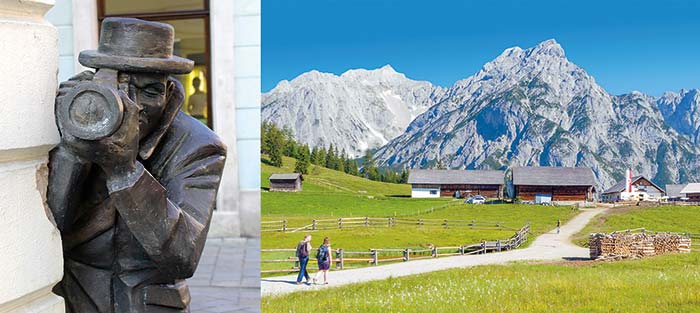
Paparazzi statue in Bratislava; dairy farm in Tirol
| Day | Plan | Sleep |
| 1 | Fly into Vienna | Vienna |
| 2 | Vienna | Vienna |
| 3 | Vienna | Vienna |
| 4 | More Vienna (or choose one of the Day 5 side trips) | Vienna |
| 5 | Side-trip to either Danube Valley (for sleepy river towns) or Bratislava (for an international/urban detour) | Vienna |
| 6 | To Hallstatt | Hallstatt |
| 7 | Hallstatt and surroundings | Hallstatt |
| 8 | To Salzburg | Salzburg |
| 9 | Salzburg | Salzburg |
| 10 | Choose between more Salzburg, a side trip to Berchtesgaden, or a Sound of Music tour | Salzburg |
| 11 | To Innsbruck | Innsbruck or Hall |
| 12 | Innsbruck; to Bavarian Alps | Füssen or Reutte |
| 13 | Bavarian Alps and castles | Füssen or Reutte |
| 14 | Link to your next European destination, or fly home from Munich |
Alternatives: On Day 6, visiting the Mauthausen concentration-camp memorial is doable (but tricky) by train, and easier by car.
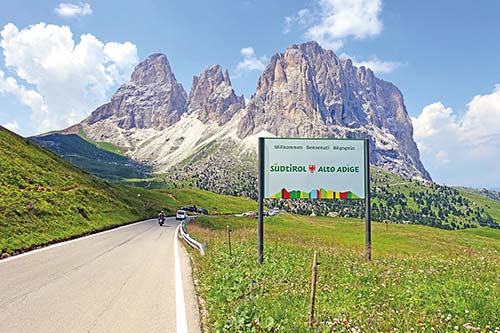
If you’d prefer the Dolomites to the Bavarian Alps, turn south on Day 12 to Italy’s Dolomite peaks (home base in Bolzano or Castelrotto, then fly out from Milan or Venice).
With Less Time: If you have about a week, divide your time between Vienna and Salzburg (with side trips). In Salzburg, take a Sound of Music bus tour to see the Salzkammergut Lake District. Or, for a mountain focus, skimp on cities and do a Salzburg-Bavarian Alps-Innsbruck-Dolomites road trip.
With More Time: Spend additional time in Vienna (for museums, the music scene, and relaxing in cafés and wine gardens) or in Salzburg (for the music scene and nearby sights). Or linger in the mountains: Explore the Bavarian Alps, then Innsbruck, then continue to the Dolomites (consider a few days of car rental for this plan).
With a Car: Pick up your car the morning of Day 5 and head for the Danube Valley. Spend the night in Melk. Stop at Mauthausen on your way to Hallstatt. As you leave Salzburg, consider driving via Berchtesgaden to southern Bavaria (Füssen or Reutte), then eastward through Tirol’s Inn Valley via Innsbruck to Italy’s Dolomites, before returning to Innsbruck to drop off your car. (This may require a little extra time—consider trimming days in Vienna and/or Salzburg to make it work.)
For weather specifics, see the climate chart in the appendix.
Connect the dots.
Link your destinations into a logical route. Determine which cities you’ll fly into and out of. Begin your search for transatlantic flights at Kayak.com.
Decide if you’ll travel by car, public transportation, or a combination. You can reach most of this book’s destinations easily by rail (or bus), but a few areas warrant renting a car for a few days to explore in greater depth—especially Bavaria and the Dolomites. A car can be helpful for exploring alpine villages and vistas (public transportation is workable but spotty), but is useless in Vienna or Salzburg (park it).
To determine approximate travel times between destinations, study the driving map in the Practicalities chapter or check Google Maps; visit Oebb.at for train schedules. Compare the cost of any long train ride in Europe with a budget flight; check Skyscanner.com for intra-European flights.
Write out a day-by-day itinerary.
Figure out how many destinations you can comfortably fit in your time frame. Don’t overdo it—few travelers wish they’d hurried more. Allow enough days per stop (see estimates in “Top Destinations in Vienna, Salzburg, and Tirol,” earlier). Minimize one-night stands. It can be worth taking a late-afternoon train ride or drive to settle into a town for two consecutive nights—and gain a full uninterrupted day for sightseeing. Include sufficient time for transportation; whether you travel by train or car, it’ll take you a half-day to get between most destinations.
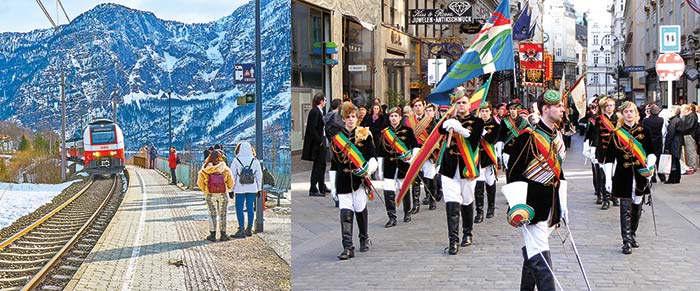
Driving in the Dolomites; arriving in Hallstatt by train; parade in Vienna
Staying in a home base (like Vienna or Salzburg) and making day trips can be more time-efficient than changing locations and hotels.
Take sight closures into account. Avoid visiting a town on the one day a week its must-see sights are closed. Check if any holidays or festivals fall during your trip—these attract crowds and can close sights (for the latest, visit Austria’s tourist website, www.austria.info). Note major sights where advance reservations are smart or a free Rick Steves audio tour is available.
Give yourself some slack. Every trip, and every traveler, needs downtime for doing laundry, picnic shopping, people-watching, and so on. Pace yourself. Assume you will return.
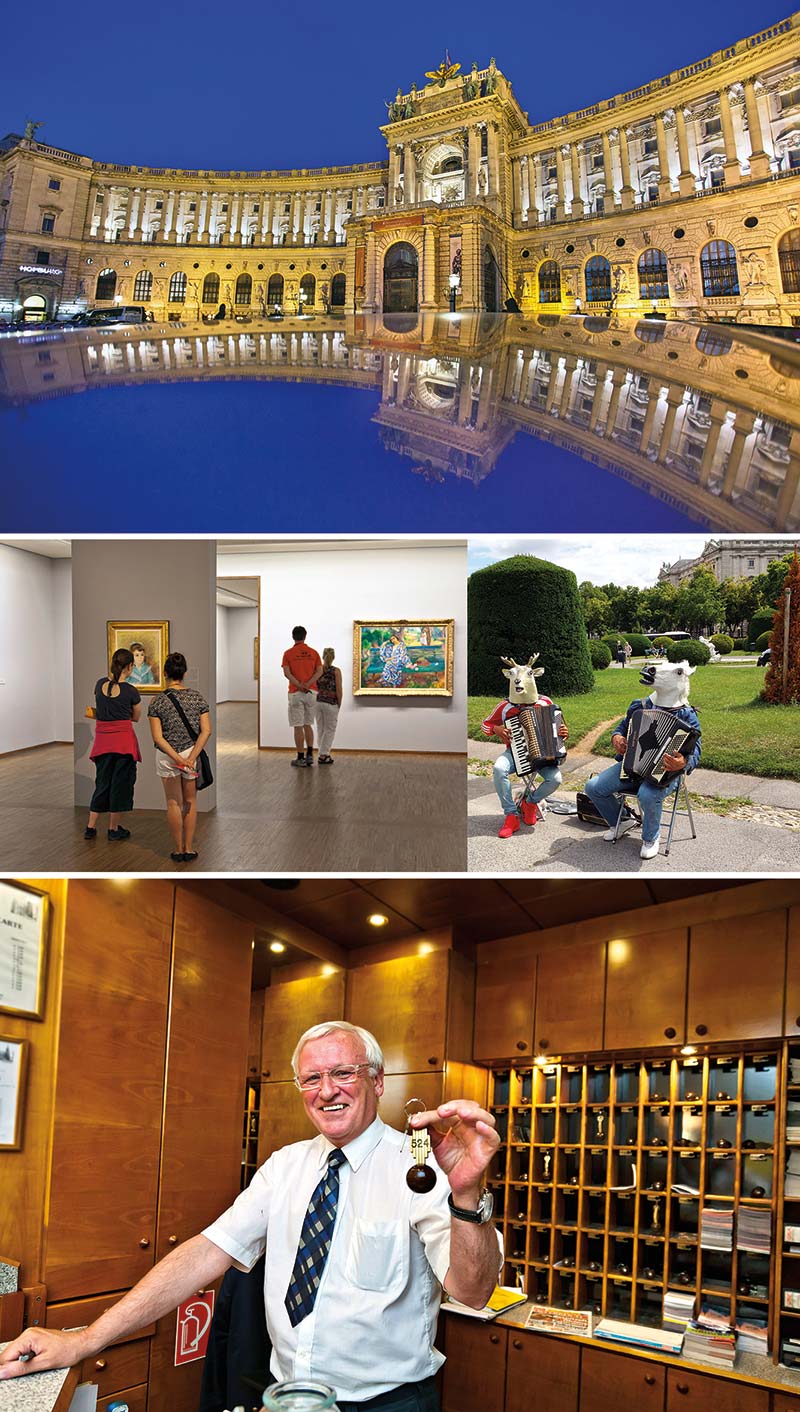
Run a reality check on your dream trip. You’ll have major transportation costs in addition to daily expenses.
Flight: A round-trip flight from the US to Vienna costs $900-1,500 total, depending on where you fly from and when.
Public Transportation: For a two-week whirlwind trip of this book’s destinations by public transportation, allow $300 per person.
Car Rental: Allow $350-500 per week (booked well in advance), not including tolls, gas, parking, and insurance.
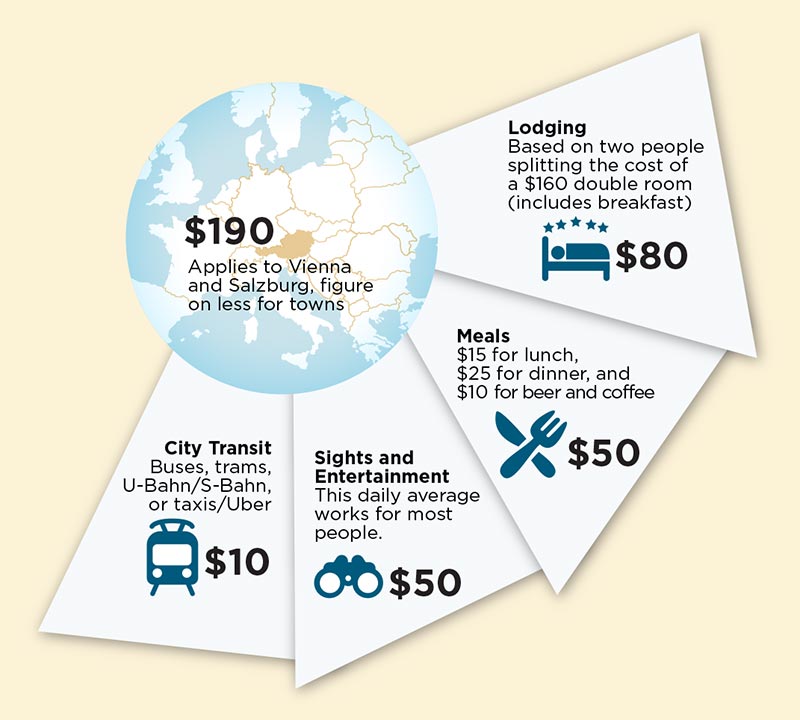
To cut your daily expenses, take advantage of the deals you’ll find throughout Austria and mentioned in this book.
City transit passes (for multiple rides or all-day usage) decrease your cost per ride.
Avid sightseers buy combo-tickets or passes that cover multiple museums. If a town doesn’t offer deals, visit only the sights you most want to see, and seek out free sights and experiences (people-watching counts).
Some businesses—especially hotels and walking-tour companies—offer discounts to my readers (look for the RS% symbol in the listings in this book).
Reserve your rooms directly with the hotel. Some hotels offer a discount if you pay in cash and/or stay three or more nights (check online or ask). Rooms can cost less in spring and fall (May, June, Sept, and Oct). And even seniors can sleep cheaply in hostels (most have private rooms) for about $30 per person. Or check Airbnb-type sites for deals.
It’s no hardship to eat inexpensively in Austria. You can get tasty, affordable meals at bakeries and supermarkets (many sell sandwiches), Wurst wagons, department-store cafeterias, and fast-food stands. Cultivate the art of picnicking in atmospheric settings.
When you splurge, choose an experience you’ll always remember, such as a concert in sumptuous surroundings or a high-mountain hike on a glorious day. Minimize souvenir shopping; focus instead on collecting wonderful memories.
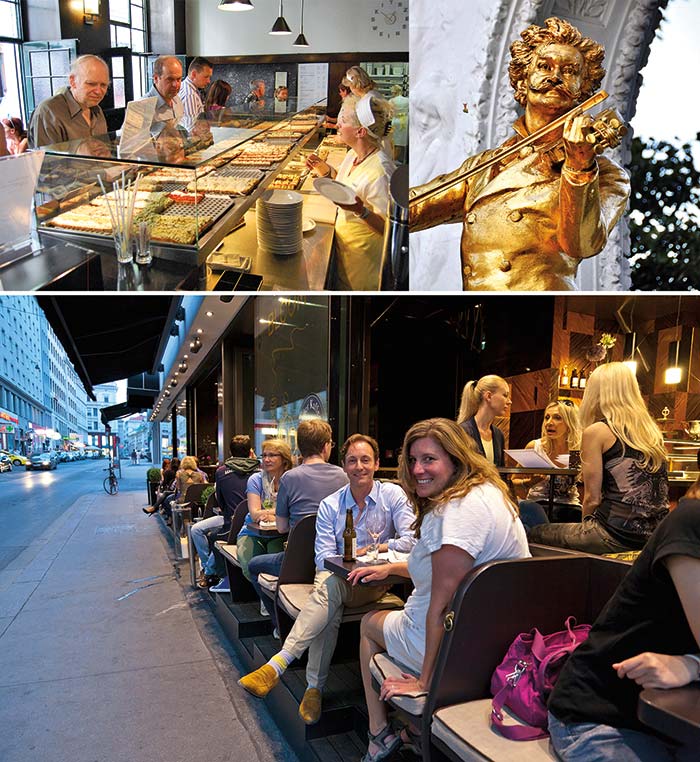
Budget-friendly buffet; Johann Strauss statue in Vienna’s Stadtpark; alfresco dining
BEFORE YOU GO
You’ll have a smoother trip if you tackle a few things ahead of time. For more details on these topics, see the Practicalities chapter and RickSteves.com, which has helpful travel-tip articles and videos.
Make sure your travel documents are valid. If your passport is due to expire within six months of your ticketed date of return, you need to renew it. Allow six weeks or more to renew or get a passport (www.travel.state.gov). Check for current Covid entry requirements, such as proof of vaccination or a negative Covid-19 test result.
Arrange your transportation. Book your international flights. Overall, Kayak.com is the best place to start searching for flights. Figure out your transportation options: It’s worth thinking about buying essential train tickets online in advance, getting a rail pass, renting a car, or booking cheap European flights. (You can wing it once you’re there, but it may cost more.) Drivers: Consider bringing an International Driving Permit (sold at AAA offices in the US, www.aaa.com) along with your license.
Book rooms well in advance, especially if your trip falls during peak season or any major holidays or festivals.
Reserve or buy tickets in advance for key experiences. In Vienna and Salzburg (especially during its festival), major musical events can sell out far in advance. In summer, avoid long waits by reserving ahead (a day or two is enough) for your Schönbrunn Palace visit. Planning ahead will guarantee you a seat to see the Lipizzaner stallions, Vienna Boys’ Choir, and performances at the Vienna State Opera—though I prefer cheap, on-the-spot experiences (such as same-day standing-room tickets for the opera). Buy tickets online in advance for Bavaria’s Neuschwanstein Castle and (in summer) Hallstatt’s salt-mine tour and Rudolfsturm viewpoint.
Consider travel insurance. Compare the cost of insurance to the cost of your potential loss. Check whether your existing insurance (health, homeowners, or renters) covers you and your possessions overseas.
Call your bank. Alert your bank that you’ll be using your debit and credit cards in Europe. Ask about transaction fees, and, if you don’t already have one, get a “contactless” credit card (request your card PIN too). You don’t need to bring euros for your trip; you can withdraw euros from cash machines in Europe.
Use your smartphone smartly. Sign up for an international service plan to reduce your costs, or rely on Wi-Fi in Europe instead. Download any useful apps you’ll want on the road, such as maps, translators, transit schedules, and Rick Steves Audio Europe (see sidebar).
Pack light. You’ll walk with your luggage more than you think. I travel for weeks with a single carry-on bag and a day pack. Use the packing checklist in the appendix as a guide.
Travel smarter with these free, fun resources:
Rick Steves Classroom Europe, a powerful tool for teachers, is also useful for travelers. This video library contains about 500 short clips excerpted from my public television series. Enjoy these videos as you sort through options for your trip and to better understand what you’ll see in Europe. Check it out at Classroom.RickSteves.com (just enter a topic to find everything I’ve filmed on a subject).

Rick Steves Audio Europe, a free app, makes it easy to download my audio tours and listen to them offline as you travel. For this book (look for the  ), these audio tours include Vienna’s Ringstrasse Tram Tour, Vienna City Walk, and St. Stephen’s Cathedral Tour, as well as Salzburg’s Town Walk. The app also offers interviews (organized by country) from my public radio show with experts from Europe and around the globe. Find it in your app store or at RickSteves.com/AudioEurope.
Travel Smart
If you have a positive attitude, equip yourself with good information (this book), and expect to travel smart, you will.
Read—and reread—this book. To have an “A” trip, be an “A” student. Note opening hours of sights, closed days, crowd-beating tips, and whether reservations are required or advisable. Check the latest at RickSteves.com/update.
Be your own tour guide. As you travel, get up-to-date info on sights, reserve tickets and tours, reconfirm hotels and travel arrangements, and check transit connections. Visit local tourist information offices (TIs). Upon arrival in a new town, lay the groundwork for a smooth departure; confirm the train, bus, or road you’ll take when you leave.
Outsmart thieves. Pickpockets abound in crowded places where tourists congregate. Treat commotions as smokescreens for theft. Keep your cash, credit cards, and passport secure in a money belt tucked under your clothes; carry only a day’s spending money in your front pocket or wallet. Don’t set valuable items down on counters or café tabletops, where they can be quickly stolen or easily forgotten.
Minimize potential loss. Keep expensive gear to a minimum. Bring copies or take photos of important documents (passport and cards) to aid in replacement if they’re lost or stolen. Back up photos and files frequently.
Guard your time and energy. Taking a taxi can be a good value if it saves you a long wait for a cheap bus or an exhausting walk across town. To avoid long lines, follow my crowd-beating tips, such as making advance reservations, or sightseeing early or late (see the Entertainment in Vienna chapter for a list of sights open late).
Be flexible. Even if you have a well-planned itinerary, expect changes, strikes, closures, sore feet, bad weather, and so on. Your Plan B could turn out to be even better.
Attempt the language. Many Austrians—especially in the tourist trade and in cities—speak English, but if you learn some German, even just a few pleasantries, you’ll get more smiles and make more friends. Apps such as Google Translate work for on-the-go translation help, but you can get a head start by practicing the survival phrases near the end of this book.
Connect with the culture. Interacting with locals carbonates your experience. Enjoy the friendliness of the Austrian people. Ask questions; most locals are happy to point you in their idea of the right direction. Set up your own quest for the best Baroque building, Sacher torte, or alpine trail. When an opportunity pops up, make it a habit to say “yes.”
Austria...here you come!