MORE CENTRAL & EASTERN EUROPE
The preceding chapters cover what I consider to be, for most travelers, the core of Central Europe. But several neighboring lands—some of them on the cusp of “Central” and “Eastern” Europe—are also worth considering for a visit.
The next five chapters offer a brief, practical introduction to countries that lie just beyond the core of this book. Because this is designed to get you started—with candid advice about where to go and what you might do in each place—I’ve included only the most basic advice for logistics such as transportation, accommodations, and restaurants. These chapters are intended only as a first step—not the final word. In each one, I offer a quick overview, a rundown of practical country facts, some itinerary-planning advice, a few tips on the local cuisine and language, and a concise rundown of the best destinations (focusing on the attractions that are most deserving of your valuable time).
In the following pages, you’ll find an overview of these destinations:
Croatia: Central Europe’s Riviera is a natural add-on for travelers going to Slovenia—it’s just down the road. For a quick taste of Croatia, you can dip into the northern Istrian Peninsula (which borders Slovenia) and enjoy one of Croatia’s top seaside towns, Rovinj. Those taking the train between Budapest and Ljubljana will pass through Croatia’s underrated capital, Zagreb, which is worth at least a few hours’ exploration (or even a night or two). And if you have plenty of time, you can head south—via the waterfall wonderland of Plitvice Lakes National Park—to the Dalmatian Coast: Dubrovnik, Split, and the islands of Hvar and Korčula.
Bosnia-Herzegovina: Croatia wraps around this inviting country, with a dramatic landscape and a vibrant culture. I’ve focused on two top destinations: The small city of Mostar is an easy side trip from Croatia’s Dalmatian Coast and offers an accessible and intriguing first look at Bosnia. With more time, it’s rewarding to venture farther to the even more engaging capital, Sarajevo.
Montenegro: Just south of Croatia, Montenegro’s glorious Bay of Kotor—with stunning scenery and characteristic seaside towns—is an easy side trip for those based in Dubrovnik. With more time, you could head up into the hills to see the historic capital, Cetinje.
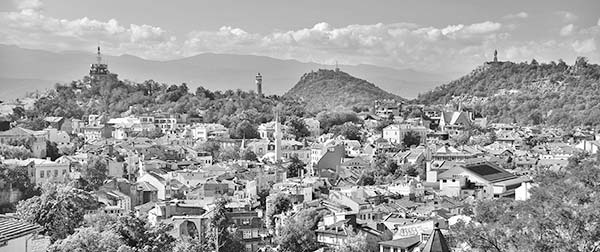
Bulgaria: A cultural detour that’s well worth taking, Bulgaria involves a long overland journey (through the rugged Balkan Peninsula) or a quick flight from the core Central European countries. From the mellow and user-friendly capital, Sofia, you can head for the fun and fascinating second city, Plovdiv; the dramatically set historic capital, Veliko Tarnovo; and a variety of countryside sights: remote and majestic Rila Monastery, the ancient artifacts and fragrant rose fields of the Thracian Plain, and mountain-capping monuments such as the bizarre communist-era conference hall called Buzludzha.
Romania: Romania is a big, crazy, fascinating, time-consuming destination—but for many, it’s worth the effort. Romania borders Hungary, and parts are accessible on a long train ride or drive from Budapest. But given the long distances, it may be easier to fly into Bucharest (the capital) and continue from there. Bucharest deserves a quick look, but the main concentration of famous sights is a few hours north, in Transylvania. Choose a home-base town or two (the best options are Brașov—near castles, Sighișoara—near fortified churches, and Sibiu—best all-around town)...and then explore. If you’re captivated by traditional folk life, you could take the long drive even farther north, to the rustic corner called Maramureș. With even more time, consider swinging through the northeastern region of Bucovina, famous for its vividly painted monasteries.
Additional Information: For some of these countries—Croatia, Bosnia-Herzegovina, and Montenegro—you can find complete coverage in my guidebook Rick Steves Croatia & Slovenia. For the others—Bulgaria and Romania—there are plenty of guidebooks and online resources available to fill in the gaps and advance your planning. Also, in Bulgaria and Romania, local guides are particularly affordable and worth hiring to make your trip-planning easier—I’ve recommended my favorites in each country.