Entertainment in Vienna
Vienna—the birthplace of what we call classical music—still thrives as Europe’s music capital. On any given evening, you’ll have your choice of opera, Strauss waltzes, Mozart chamber concerts, and lighthearted musicals. The Vienna Boys’ Choir lives up to its worldwide reputation.
Besides music, you can spend an evening enjoying art, watching a classic film, or sipping Viennese wine in a village wine garden. Be sure to save some energy for Vienna after dark.
MUSIC
In Vienna, it’s music con brio from September through June, reaching a symphonic climax during the Vienna Festival each May and June. Sadly, in summer (generally July and August), the Boys’ Choir, opera, and many other serious music companies are—like you—on vacation. But it’s OK: Vienna hums year-round with live classical music, and tickets to touristy, crowd-pleasing shows are always available.
For music lovers, Vienna is also an opportunity to make pilgrimages to the homes (now mostly small museums) of their favorite composers. If you’re a fan of Schubert, Brahms, Haydn, Beethoven, or Mozart, there’s a sight for you. But I find these homes inconveniently located and generally underwhelming. The centrally located Haus der Musik (see listing under “Sights in Vienna,” earlier) is my favorite setting for celebrating the great musicians and composers who called Vienna home.
Venues: Vienna remains the music capital of Europe, with 10,000 seats in various venues around town mostly booked with classical performances. The best-known entertainment venues are the Staatsoper (State Opera House), the Volksoper (for musicals and operettas), the Theater an der Wien (opera and other performances), the Wiener Musikverein (home of the Vienna Philharmonic Orchestra), and the Wiener Konzerthaus (various events). Schedules for these venues are listed in the Spot arts brochure (available at TI). You can also check event listings at www.viennaconcerts.com.
Buying Tickets: Most tickets run from €45 to €60 (plus a stiff booking fee when purchased in advance by phone or online, or through a box office like the one at the TI). A few venues charge as little as €30; look around if you’re not set on any particular concert. While it’s easy to book tickets online long in advance, spontaneity is also workable, as there are invariably people selling their extra tickets at face value or less outside the door before concert time. If you call a concert hall directly, they can advise you on the availability of (cheaper) tickets at the door. Vienna takes care of its starving artists (and tourists) by offering cheap standing-room tickets to top-notch music and opera (generally an hour before each performance).
Vienna Boys’ Choir (Wiener Sängerknaben)
The boys sing (from a high balcony, heard but not seen) at the 9:15 Sunday Mass from mid-September through June in the Hofburg’s Imperial Music Chapel (Hofmusikkapelle). The entrance is at Schweizerhof; you can get there from In der Burg square or go through the tunnel from Josefsplatz.
Choir Tickets: Reserved seats must be booked in advance (€12-43; reserve online or by sending an email to office@hofmusikkapelle.gv.at; call +43 1 533 9927 for information only—they can’t book tickets at this number; www.hofmusikkapelle.gv.at).
Standing-Room Access: Much easier, standing room inside is free and open to the first 60 who line up. Even better, rather than line up early, you can simply swing by and stand in the narthex just outside, where you can hear the boys and see the Mass on a TV monitor.
Friday Option: The Boys’ Choir also performs at the MuTh concert hall on some Fridays at 17:00 during peak season (€39-62, Am Augartenspitz 1 in Augarten park, U: Taborstrasse, +43 1 347 8080, www.muth.at, tickets@muth.at).
Rick’s Crude Tip: They’re talented kids, but, for my taste, not worth all the commotion. Remember, many churches have great music during Sunday Mass. Just 200 yards from the Hofburg’s Boys’ Choir chapel, the Augustinian Church has a glorious 11:00 service each Sunday (which generally features its wonderful organ, a choir, and a small orchestra; see listing on here), and St. Stephen’s Cathedral has one of the largest pipe organs in Europe.
Opera
Vienna State Opera (Wiener Staatsoper)
The Vienna State Opera puts on 300 performances a year (in July and August the singers are on summer break). Since there are different operas nearly nightly, you’ll see big trucks out back and constant action backstage—all the sets need to be switched each day. The excellent “electronic libretto” translation screens help make the experience worthwhile for opera newbies. Dress is casual—but do your best.
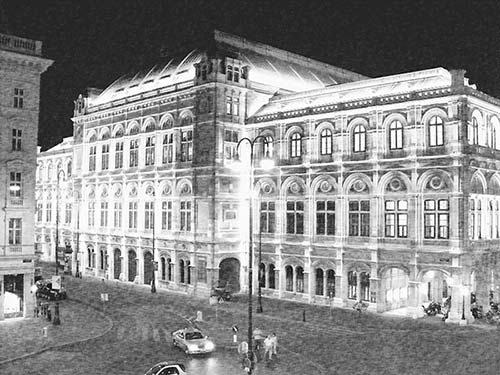
Opera Tickets: Main-floor seats go for €79-240; bargain hunters get limited-view seats for €16-30. Those under 27 can buy a youth ticket to very good seats for €20. You can book tickets online (www.wiener-staatsoper.at) or in person at the opera’s box office on Kärntner Strasse (Mon-Sat 10:00-18:00 or until one hour before each performance, Sun until 13:00). Note that premier performances are generally jam-packed.
Standing-Room Tickets: Unless a top tenor is in town, it’s easy to get one of 460 standing-room tickets (Stehplätze, €15 up top or €18 downstairs, one ticket/person). While the front doors open one hour before the show starts, a side door (middle of building, on the Operngasse side) opens 90 minutes before curtain time, giving those in the know an early grab at standing-room tickets. Just walk straight in, then head right until you see the ticket booth marked Stehplätze. Spaces are numbered—show up early and try for the “Parterre” section, where you’ll end up dead-center at stage level, directly under the Emperor’s Box. Otherwise, you can choose between the third floor (Balkon), or the fourth floor (Galerie).
Rick’s Crude Tip: For me, three hours is a lot of opera. But just to see and hear Vienna’s opera in action for an hour or so is a treat. And if you go, you’ll get the added entertainment of seeing Vienna all dressed up. I’d buy a standing-room ticket and plan to watch the first part of the show. Before cutting out, have a glass of champagne at the opera’s most glamorous bar (on the first floor, center front).
“Live Opera on the Square”: Demonstrating its commitment to bringing opera to the masses, each spring and fall the Vienna State Opera projects several performances live on a huge screen on its building, puts out chairs for the public to enjoy...and it’s all free. (These showings are noted as Oper Live am Platz in the official opera schedule and are posted all around the opera building. They are also listed in the Spot brochure and at www.wiener-staatsoper.at.)
Vienna Volksoper
For less-serious operettas and musicals, try Vienna’s other opera house, located along the Gürtel, west of the city center (see Spot brochure or ask at TI for schedule, Währinger Strasse 78, +43 1 5144 43670, www.volksoper.at).
Theater an der Wien
Considered the oldest theater in Vienna, this venue was designed in 1801 for Mozart operas—intimate, with just a thousand seats. It treats Vienna’s music lovers to a different opera every month (except summer), most with a contemporary setting and modern interpretation (facing the Naschmarkt at Linke Wienzeile 6, +43 1 58 885, www.theater-wien.at).
Touristy Mozart and Strauss Concerts
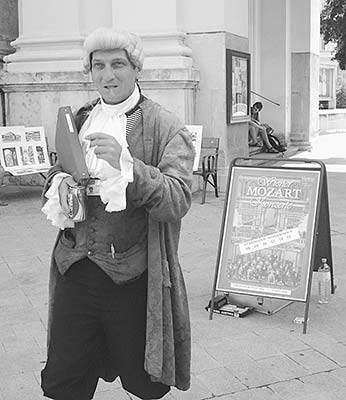
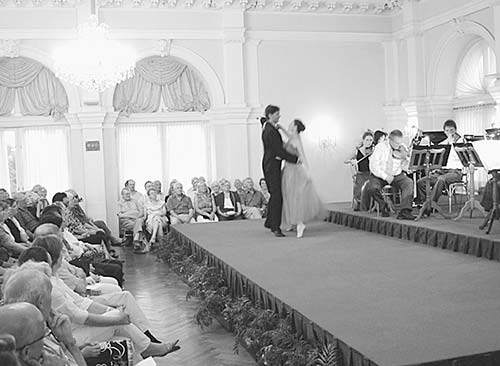
Powdered-wig, costumed orchestra performances of the greatest hits of Mozart and Strauss are given almost nightly in grand traditional settings. These are casual, easygoing concerts with lots of tour groups attending. While there’s not a Viennese person in the audience, the tourists generally enjoy the evening.
Mozarthaus Concert Venue
Of the many fine venues in Vienna, the Sala Terrena at Mozarthaus might be my favorite. Intimate chamber-music concerts with musicians in historic costume take place in a small room richly decorated in Venetian Renaissance style (€42-69; Wed, Fri, and Sun at 19:30, Sat at 18:00; near St. Stephen’s Cathedral at Singerstrasse 7, +43 1 911 9077, www.mozarthaus.at). Don’t confuse this with the Mozarthaus Vienna Museum on Domgasse, which also holds concerts.
Strauss and Mozart Concerts in the Kursalon
For years Strauss and Mozart concerts have been held in the Kursalon, the hall where the “Waltz King” himself directed wildly popular concerts 100 years ago (€63-105, concerts generally nightly at 20:30, Johannesgasse 33 at corner of Parkring, tram #2: Weihburggasse or U: Stadtpark, +43 1 512 5790 to check on availability—generally no problem to reserve—or buy online at www.soundofvienna.at). Shows last two hours and are a mix of ballet, waltzes, and a 15-piece orchestra. It’s touristy, but the performance is playful, visually fun, good quality for most, and with a tried-and-tested, crowd-pleasing format.
EVENING SCENE
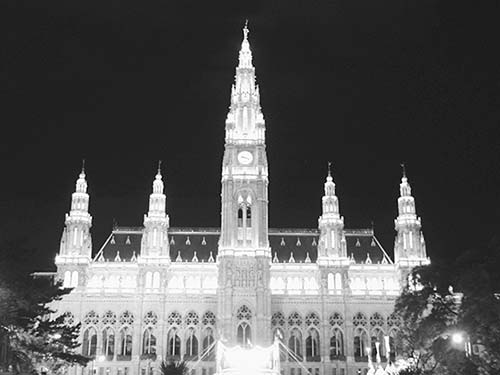
Vienna is a great place to just be out and about on a balmy evening. While tourists are attracted to the historic central district and its charming, floodlit corners, locals go elsewhere. Depending on your mood and taste, you can join them. Survey and then enjoy lively scenes with bars, cafés, trendy restaurants, and theaters in these areas: Donaukanal (the Danube Canal, especially popular in the summer for its imported beaches), Naschmarkt (after the produce stalls close up, the bars and eateries bring new life to the place through the evening), MuseumsQuartier (surrounded by far-out museums, a young scene of bars with local students filling the courtyard), and City Hall (on the parklike Rathausplatz, where in summer free concerts and a food circus of eateries attract huge local crowds—described next).
Open-Air Music-Film Series and Food Circus
A convivial, free-to-everyone people scene erupts each evening in summer (July-Aug) on Rathausplatz, the welcoming park in front of City Hall (right on the Ringstrasse). Thousands of people keep a food circus of simple stalls busy. There’s not a plastic cup anywhere, just real plates and glasses—Vienna wants the quality of eating to be as high as the music that’s about to begin. And most stalls are outposts of local restaurants—including some of Vienna’s most esteemed—making this a fun and easy way to sample some of the city’s most interesting options. About 2,000 spots on comfy benches face a 60-foot-wide screen up against the City Hall’s Neo-Gothic facade. When darkness falls, an announcer explains the program, and then the music starts. The program is different every night, so check the website—it’s mostly films of opera and classical concerts, but with some jazz and R&B too (www.filmfestival-rathausplatz.at, programs generally last about 2 hours, starting when it’s dark—between 21:30 in July and 20:30 in Aug).
Balls and Waltzing
Renowned for its ball scene, Vienna boasts hundreds of balls each year, where the classic dance is the waltz. The height of ball season falls generally between December and February, when Viennese and visitors of all ages dress up and swirl to music ranging from waltzes to jazz to contemporary beats. Balls are put on by the Vienna Philharmonic, Vienna Boys’ Choir, Vienna State Opera, and others (search for events at www.events.wien.info). The glamorous Hofburg Silvesterball traditionally takes place on New Year’s Eve at the Hofburg Palace, featuring big-name orchestras, bands, and opera singers; a sumptuous dinner; and a champagne toast (www.hofburgsilvesterball.com).
English Cinema
Several great theaters offer three or four screens of English movies nightly (€8-11). Burg Kino, a block from the opera house, facing the Ring, plays contemporary movies plus the classic The Third Man (see next listing, Opernring 19, +43 1 587 8406, www.burgkino.at). English Cinema Haydn is near my recommended hotels on Mariahilfer Strasse (Mariahilfer Strasse 57—see the map on here, +43 1 587 2262, www.haydnkino.at), and Artis International Cinema is right in the town center a few minutes from the cathedral (Schultergasse 5, +43 1 535 6570, www.cineplexx.at/center/artis-international).
The Third Man at Burg Kino
This European noir thriller released in 1949 takes place in post-WWII Vienna—which was then a city divided, like Berlin, among the four victorious Allies. Starring Orson Welles, it’s a tale of intrigue in a city afraid of falling under Soviet rule (€9-10, in English; about 2-3 showings weekly—check schedule at www.burgkino.at).
Third Man fans will love the quirky ▲Third Man Museum (Dritte Mann Museum), a lovingly curated collection of artifacts about the film, its popularity around the world, and postwar Vienna (€10, RS%—€2 discount with this book, Sat only 14:00-18:00, also guided tours at other times by appointment, tour lasts 80 minutes; U: Kettenbrückengasse, a long block south of the Naschmarkt at Pressgasse 25, +43 676 47 57 818, www.3mpc.net).
Sleeping in Vienna
Accommodations in Vienna are plentiful and relatively affordable compared to other European cities. Expect to pay more for rooms within the Ring. For less expensive accommodations, look at my recommendations around Mariahilfer Strasse. Expect rates to spike for conventions and to drop in low season (usually Nov and Jan-March).
Many of the hotels I’ve listed here share buildings with other businesses or residences, which can mean lots of stairs or (hopefully) an elevator. Viennese elevators and stairwells can be confusing: In most of Europe, 0 is the ground floor, and 1 is the first floor up (our “second floor”). But in Vienna, thanks to a Habsburg-legacy quirk, older buildings have at least one extra “mezzanine” floor (labeled on elevators as P, H, M, and/or A) between the ground floor and the “first” floor, so floor 1 can actually be what we’d call the second, third, or even fourth floor.
WITHIN THE RING
You’ll pay extra to sleep in the atmospheric old center, but if you can afford it, staying here gives you the classiest Vienna experience and enables you to walk to most sights. You won’t need a car (and it’s difficult and expensive to park one here), but if you are coming with one, plan ahead and ask your hotel where to park.
$$$$ Hotel am Stephansplatz is a four-star business hotel with 53 rooms. It’s plush but not over-the-top, and reasonably priced for its sleek comfort and central location facing the cathedral. Every detail is modern and quality, and breakfast is superb, with an up-close view of the city waking up around the cathedral (air-con, elevator, gym and sauna, Stephansplatz 9, U: Stephansplatz, +43 1 534 050, https://hotelamstephansplatz.at, welcome@hotelamstephansplatz.at).
$$$$ Pension Nossek offers 32 rooms on the second floor of a city-center building, with a great location on the pedestrian-only Graben. The rooms are modern and well appointed, while the hallways feel a bit tattered (air-con, elevator, Graben 17, U: Stephansplatz, +43 1 5337 0410, www.pension-nossek.at, reservation@pension-nossek.at).
$$$ Aviano Boutique Hotel is a friendly, family-run place and the best value among my pricier listings. It has 17 rooms, all comfortable and some beautiful, with flowery carpets and other Baroque frills. It’s on the third and fourth floors of a typical city-center building but feels peaceful (breakfast extra, fans—and ask for a cooler room facing the courtyard in summer, elevator, between Neuer Markt and Kärntner Strasse at Marco d’Avianogasse 1, U: Karlsplatz or Stephansplatz, +43 1 512 8330, www.avianoboutiquehotel.com, office@avianoboutiquehotel.com, Frau Kavka).
$$$ Hotel Pertschy, circling an old courtyard, is big and elegantly creaky. Its 55 huge rooms have chandeliers and nice Baroque touches, but the hallways are threadbare. Ask for a quieter room away from the noise of horse-and-buggy tours (family rooms, fans, elevator, Habsburgergasse 5, U: Stephansplatz, +43 1 534 490, www.pertschy.com, info@pertschy.com).
$$$ Hotel zur Wiener Staatsoper is quiet, with a more traditional elegance than many of my other listings. Its 14 large rooms come with high ceilings, chandeliers, and fancy carpets on parquet floors (air-con, elevator, a block from the opera house at Krugerstrasse 11; U: Karlsplatz, +43 1 513 1274, www.hotel-staatsoper.at, info@hotel-staatsoper.at, manager Ursula).
$$$ Pension A und A, with nine rooms, feels like you are in an upscale youth hostel with white minimalist hallways and contemporary style in the rooms (air-con, Habsburgergasse 3, U: Stephansplatz, +43 1 890 5128, www.aundapension.com, office@aunda.at).
$$$ Hotel Das Tigra occupies a 17th-century building with 78 classic rooms and modern touches. The smart decor tells the story of Mozart, who reportedly stayed here for several weeks as a boy when the hotel was still a private home (air-con, Tiefer Graben 14, U: Herrengasse, +43 1 533 96410, www.hotel-tigra.at, info@hotel-tigra.at).
$$ Motel One Staatsoper, part of a German chain of “budget design hotels,” features sleek, smallish, modern rooms outfitted with quality materials but no frills, a 24-hour reception, and funky lounge spaces; it’s perfect for budget travelers looking for something nicer. This location—right between the opera house and Karlsplatz—has 400 rooms, including some larger options, in a smartly renovated building that’s kept its Old World charm (no triples but you can slip in a child under 6 for free, breakfast extra, air-con, elevator, Elisabethstrasse 5, U: Karlsplatz, +43 1 585 0505, www.motel-one.com, wien-staatsoper@motel-one.com).
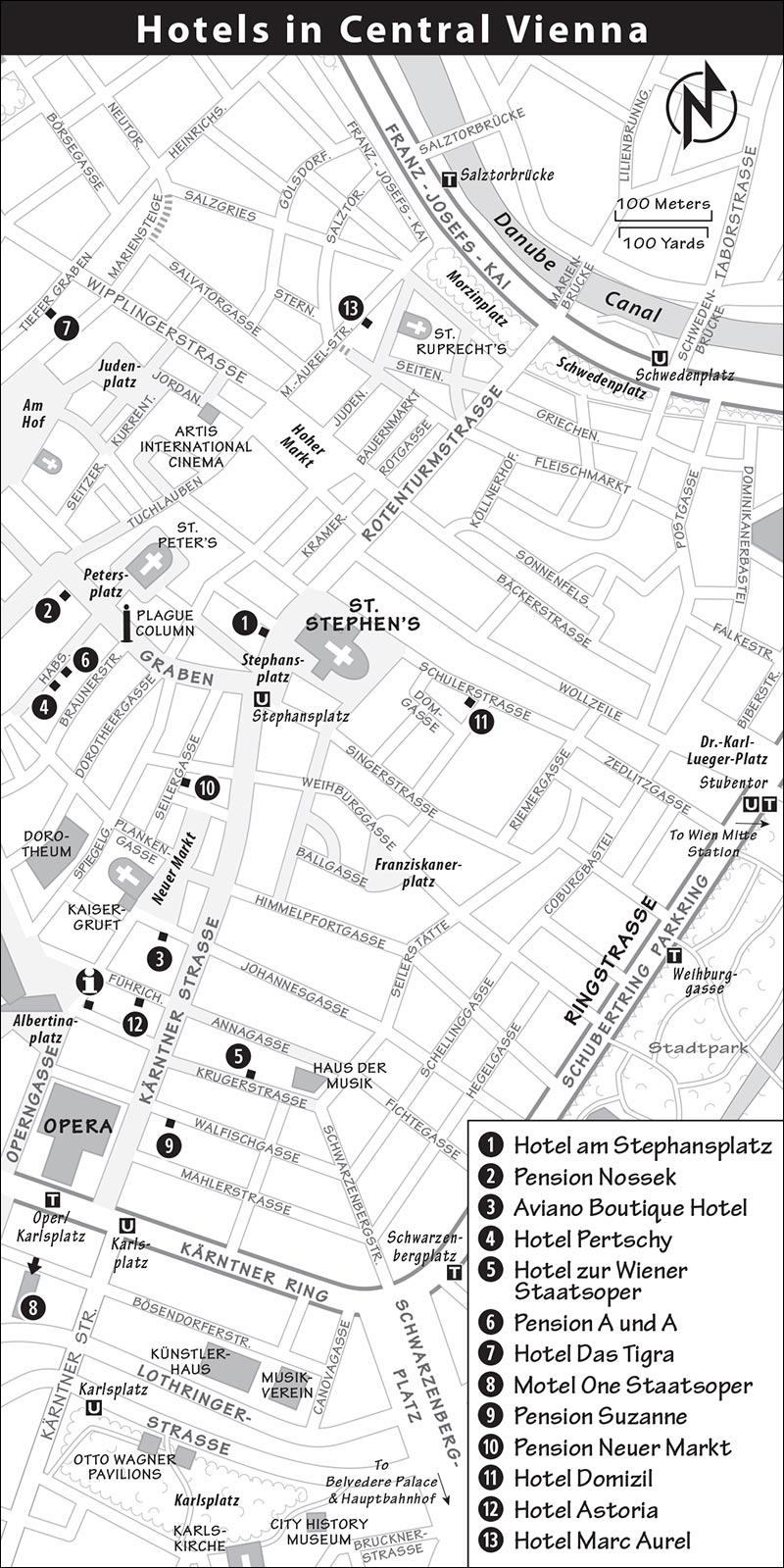
$$ Pension Suzanne, as Baroque and doily as you’ll find in this price range, is wonderfully located a few yards from the opera house. It’s small and without a real lobby but run with the class of a bigger hotel. The 26 rooms are packed with properly Viennese antique furnishings (spacious apartment for up to 6 also available, fans on request, elevator, Walfischgasse 4, U: Karlsplatz, +43 1 513 2507, www.pension-suzanne.at, info@pension-suzanne.at, manager Michael).
$$ Pension Neuer Markt is perfectly central, with 35 comfy but faded pink rooms, and worn hallways with a cruise-ship ambience (in hot weather request a quiet courtyard-side room when you reserve, fans, tiny elevator, Seilergasse 9, U: Stephansplatz, +43 1 512 2316, www.hotelpension.at, neuermarkt@hotelpension.at).
NEAR NASCHMARKT
$$$$ Hotel Beethoven is a smartly decorated boutique property with 47 colorful rooms and lots of attention to detail. Its comfy communal spaces and access to coffee and tea throughout the day keep it feeling like home. The location, near the Naschmarkt and overlooking the Theater an der Wien, puts you close to the action but away from the crowds and late-night noise (air-con, elevator, swanky cocktail bar, weekend classical concerts, Papagenogasse 6, U: Karlsplatz, +43 1 587 44820, www.hotel-beethoven.at, info@hotelbeethoven.at). See the map on here for location.
ON OR NEAR MARIAHILFER STRASSE
Lively, pedestrianized Mariahilfer Strasse connects the Westbahnhof and the city center. The U-3 subway line runs underneath the street on its way between the Westbahnhof and St. Stephen’s Cathedral, and most of these listings are within a five-minute walk of a U-Bahn stop. This vibrant, inexpensive area is filled with stores, cafés, and a small shopping mall. Its smaller hotels and pensions are often immigrant-run. As you’d expect, the far end of Mariahilfer Strasse (around and past the Westbahnhof) is rougher around the edges, while the section near downtown is more gentrified.
Closer to Downtown
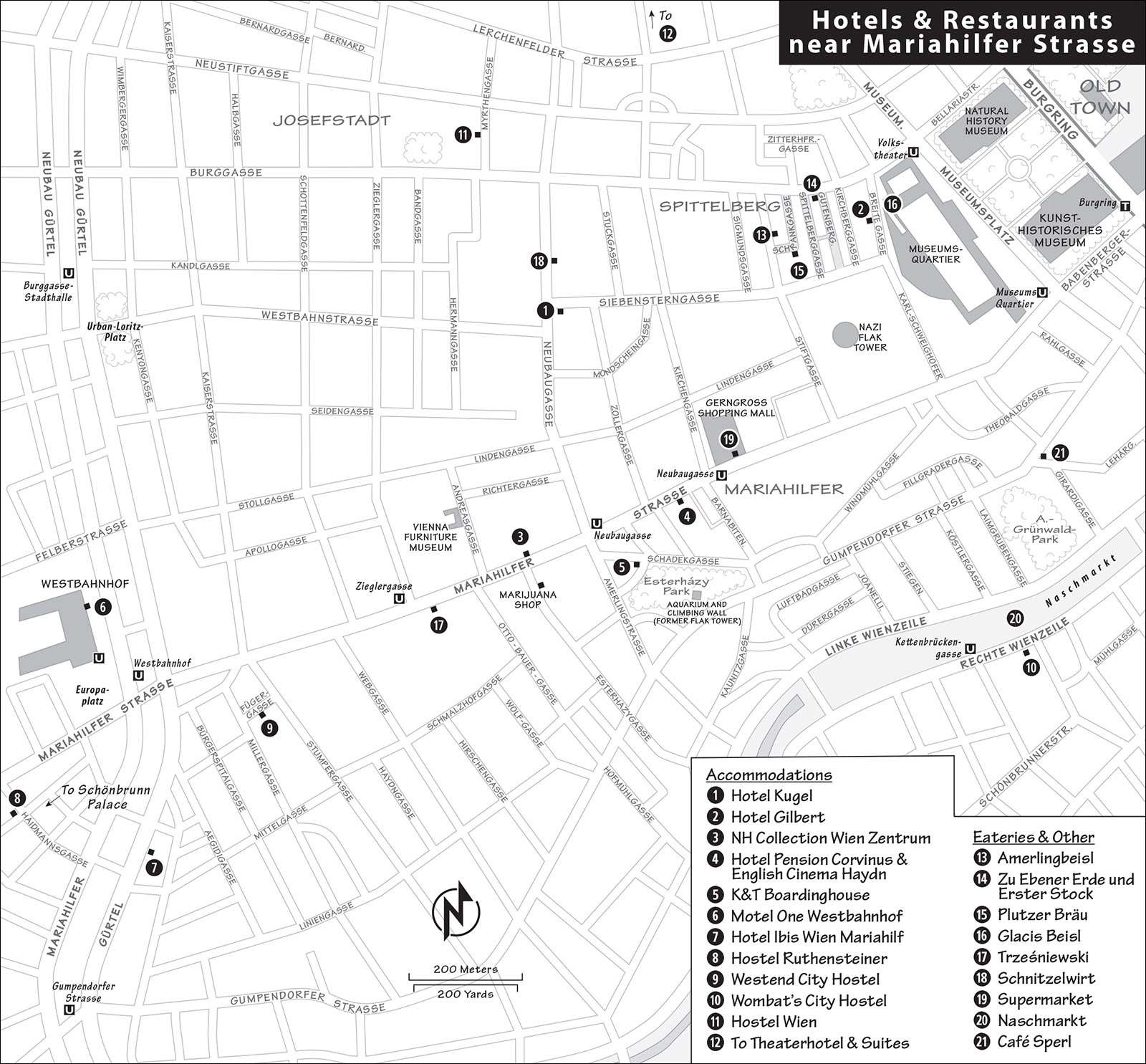
$$$ Hotel Kugel is run with style by hands-on owners Johannes and Christina Roller. Its 25 unique rooms, most with canopy beds, are a good value and decorated with a feminine touch. The junior suites offer a modern alternative (wonderful breakfast, fans, some tram noise, Siebensterngasse 43, at corner with Neubaugasse, U: Neubaugasse, +43 1 523 3355, www.hotelkugel.at, office@hotelkugel.at).
$$$ Hotel Gilbert, near the MuseumsQuartier, offers a modern break from crusty old Vienna. Its 57 rooms and cozy bohemian-inspired lounge spaces attract a young, environmentally conscious clientele (air-con, Breite Gasse 9, U: Volkstheater, +43 1 523 1345, www.hotel-gilbert.at, welcome@hotel-gilbert.at).
$$ NH Collection Wien Zentrum, part of a Spanish chain, is a stern, stylish-but-passionless business hotel on Mariahilfer Strasse. It rents 73 rooms, including a few “suites” that are ideal for families (breakfast extra, air-con, elevator, Mariahilfer Strasse 78, U: Zieglergasse, +43 1 524 5600, www.nh-hotels.com, nhcollectionwienzentrum@nh-hotels.com).
$$ Hotel Pension Corvinus is proudly run by a hardworking Hungarian family: parents Miklós and Judith and sons Anthony and Zoltán. Its 15 comfortable rooms, although in a nondescript building, are surprisingly bright and spacious with nice extra touches (discount if you pay cash, ask about family rooms and apartments with kitchens, espresso machine in rooms, air-con, elevator, Mariahilfer Strasse 57, U: Neubaugasse, +43 1 587 7239, www.corvinus.at, hotel@corvinus.at).
$ K&T Boardinghouse rents five modern, spacious rooms on the first floor of a quiet building a block off Mariahilfer Strasse (cash only but reserve with credit card or PayPal, 2-night minimum, no breakfast, pay air-con, Chwallagasse 2, U: Neubaugasse, +43 676 553 6063, www.ktboardinghouse.at, k.t@chello.at, Tina). From Mariahilfer Strasse, turn left at Café Ritter and walk down Schadekgasse one short block; tiny Chwallagasse is the first right.
Near the Westbahnhof
$$ Motel One Westbahnhof, a more affordable outpost of the chain described earlier, under “Within the Ring,” has 441 rooms, lots of modern flair, and a vibrant lobby with plenty of inviting spaces to unwind (no triples but you can slip in a child under 6 for free, breakfast extra, air-con, attached to the Westbahnhof at Europaplatz 3, +43 1 359 350, www.motel-one.com, wein-westbahnhof@motel-one.com).
$$ Hotel Ibis Wien Mariahilf, an impersonal high-rise hotel with American charm, is ideal for anyone tired of quaint old Europe. Its 341 cookie-cutter rooms are bright, comfortable, and modern, with all the conveniences (breakfast extra, air-con, elevator, exit Westbahnhof to the right and walk 400 yards, Mariahilfer Gürtel 22, U: Westbahnhof, +43 1 59 998, www.accorhotels.com, h0796@accor.com).
DORMS AND HOSTELS
¢ These budget-minded options cluster near Mariahilfer Strasse and the Westbahnhof: Hostel Ruthensteiner (Robert-Hamerling-Gasse 24, U: Westbahnhof, www.hostelruthensteiner.com), Westend City Hostel (cash only, Fügergasse 3, U: Westbahnhof, www.viennahostel.at), Wombat’s City Hostel (Rechte Wienzeile 35, U: Kettenbrückengasse, www.wombats-hostels.com), Hostel Wien (Myrthengasse 7, www.1070vienna.at).
MORE HOTELS IN VIENNA
If my top listings are full, here are some others to consider. For locations, see the “Hotels in Central Vienna” map (unless otherwise noted).
A stone’s throw from Stephansplatz, $$$$ Hotel Domizil’s 43 rooms are light, bright, and neat as a pin (Schulerstrasse 14, U: Stephansplatz or Stubentor, +43 1 513 3199, www.hoteldomizil.at, info@hoteldomizil.at).
Just off Kärntner Strasse, $$$$ Hotel Astoria is a turn-of-the-century Old World hotel with 128 classy rooms (Kärntner Strasse 32, entrance at Führichgasse 1, U: Karlsplatz, +43 1 515 77, www.austria-trend.at/hotel-astoria, astoria@austria-trend.at).
Near City Hall, the $$$ Theaterhotel & Suites is a shiny gem of a hotel with 54 rooms on a fun shopping street (several blocks beyond the Ring at Josefstädter Strasse 22—see “Hotels and Restaurants near Mariahilfer Strasse” map, U: Rathaus, +43 1 405 3648, www.theaterhotel-wien.at, info@theaterhotel-wien.at).
A few steps from Schwedenplatz, $$$ Hotel Marc Aurel is an affordable, plain-Jane business-class hotel with modern rooms (air-con, Marc Aurel Strasse 8, U: Schwedenplatz, +43 1 533 3640, www.hotel-marcaurel.com, info@hotel-marcaurel.com).
Eating in Vienna
The Viennese appreciate the fine points of life, and right up there with good music is good eating. The city has many atmospheric restaurants. As you ponder the Hungarian and Bohemian influence on many menus, remember that Vienna’s diverse empire may be no more, but its flavors linger. In addition to restaurants, this section covers two Viennese institutions: the city’s café culture and its Heuriger wine pubs. For a fun foodie guide to Vienna, see ViennaWuerstelstand.com.
EATING TIPS
Austrian Specialties: Traditional Austrian dishes tend to be meat-heavy (although fish is very popular and generally good in this landlocked country). The classic Austrian dish is Wiener schnitzel (a veal cutlet that’s been pounded flat, breaded, and fried). Pork schnitzel, which is cheaper, is also common. Austrian Gulasch, a meat stew, is a favorite comfort food. Sausage (Wurst) is also a staple.
Best of the Wurst: Sausage (Wurst) is a staple here. Most restaurants offer it (often as the cheapest thing on the menu), but it’s more commonly eaten at a takeout stand (Würstelstand).
Sausages can be boiled or grilled. The generic term Bratwurst simply means “grilled sausage.” Brühwurst is boiled. Generally, the darker the weenie, the spicier.
At sausage stands, wurst usually comes in or with a roll (Semmel). You might be given the choice of a slice of bread (Brot), a pretzel (Breze), or, in restaurants, potato salad. Sauces and sides include Senf (mustard; ask for süss—sweet, or scharf—spicy), ketchup or curry-ketchup (Currysauce), Kraut (sauerkraut), and sometimes horseradish (called Kren in Austria and southern Germany).
Local Specialty: Tafelspitz, a favorite of Emperor Franz Josef, is boiled beef served in a vegetable soup with bone marrow. The waitstaff will delicately put the beef on your plate, leaving you with the vegetable soup broth to enjoy. Fish out the bone marrow and eat it with toasted dark bread. Then tackle the boiled beef with crème spinach and apple horseradish sauce. The Tafelspitz is big and typically shared.
Viennese Drinks: Gemischter Satz is a wine that’s uniquely Viennese. A blend of grapes grown and harvested together in the same vineyard, it was long considered a cheap table wine. Now it’s more respected and worth trying. For a nonalcoholic and refreshing local drink, I like Apfelsaft gespritzt (called Apfelschorle in Germany), which is apple juice mixed with soda. For a refreshing light-beer drink, go for Radler (half beer, half lemonade).
FINE DINING IN THE CENTER
The heart of the city offers plenty of options for a relaxing and expensive dining experience; here are some of my favorites. Reservations are always wise in the evening.
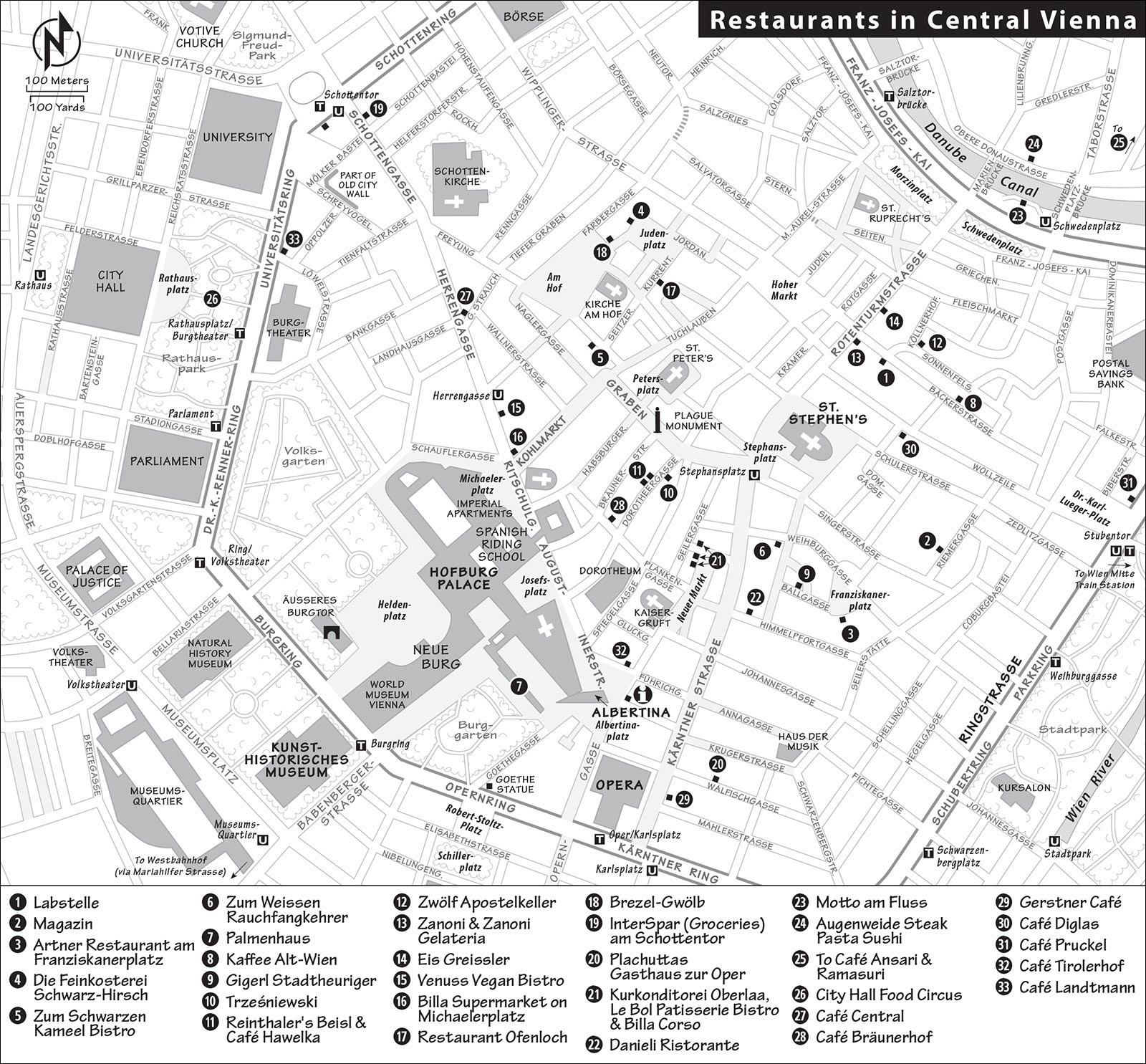
$$$$ Labstelle is my choice for a romantic meal in the town center. With a Bib Gourmand Michelin rating, the chef offers a no-schnitzel menu with a nose-to-tail and farm-to-table ethic. The enticing menu changes seasonally, meets special dietary needs, and celebrates modern Austrian cuisine—always beautifully presented (lunch specials, closed Sun, Lugeck 6, +43 1 236 2122, https://labstelle.at).
$$$ Magazin serves all the meaty classics to a smart local clientele in a romantic setting. The proudly Austrian menu is inviting, the wine list is good, and the atmosphere makes you want to sip schnapps (daily, Riemergasse 14, +43 1 512 7787, https://magazin-riemergasse14.at).
$$$ Artner Restaurant am Franziskanerplatz is a classy place that’s a favorite of Austrian politicians. Diners enjoy the cozy interior as well as the outside seating on a quaint square. They offer an inviting modern international menu with nicely presented dishes, including gourmet hamburgers and great steaks (lunch specials, closed Sun, Franziskanerplatz 5, +43 1 503 5034, www.artner.co.at).
$$$ Die Feinkosterei Schwarz-Hirsch offers a small-is-beautiful menu of only Austrian food and wine in a romantic interior. With fine little plates priced at €8-12 each, it’s a fun way to experience top-quality traditional dishes family-style. Three plates per person makes a filling meal...eat your way through the menu (daily, inside and outside seating faces the Holocaust memorial at Judenplatz 7, +43 1 396 1421, www.feinkosterei.wien).
$$ Zum Schwarzen Kameel Bistro (“The Black Camel”) has a posh, gourmet Viennese $$$$ restaurant in the back with a thriving and more casual wine bar fronting the street. The delightfully Art Nouveau wine bar, filled with a professional local crowd enjoying small plates from the fancy restaurant kitchen, is the place for horseradish and thin-sliced ham (Beinschinken mit Kren; Achtung—the horseradish is hot). Eat well by ordering high on the menu; eat cheaply by sticking with the tiny open-face finger sandwiches (€2 each, self-serve from counter, with a diet-busting selection of little pastries to assemble, too). Stand, grab a stool, find a table on the street, or sit anywhere you can (prices are the same)—it’s customary to share tables (daily, Bognergasse 5, +43 1 533 8125, https://schwarzeskameel.at).
$$$ Zum Weissen Rauchfangkehrer (“The White Chimney Sweep”), with a cozy woody interior and live piano nightly, is popular for its rustic-if-kitschy elegance, traditional cuisine, and enthusiasm for schnapps (daily, near the cathedral at Weihburggasse 4, +43 1 512 3471, www.weisser-rauchfangkehrer.at).
$$$$ Palmenhaus overlooks the Hofburg Palace Garden. Tucked away in a green and peaceful corner two blocks behind the opera house, this is a world apart. If you want to eat modern Austrian/Mediterranean cuisine surrounded by palm trees, this is the place. It’s an elegant, dressy, and expensive place at night, but there are moderately priced daily specials for lunch—and since it’s at the edge of a park, it’s great for families (12:00-15:00). They specialize in fresh fish with generous vegetables (daily, extensive wine list, always a good vegetarian option, indoors in greenhouse or outdoors, Burggarten 1, +43 1 533 1033, www.palmenhaus.at).
CASUAL EATERIES AND TRADITIONAL STANDBYS
Near St. Stephen’s Cathedral
These eateries are within about a five-minute walk of the cathedral (U: Stephansplatz).
$$ Kaffee Alt-Wien has a sprawling conviviality that draws you in past several fun spaces as you choose where you’ll eat...and then makes you want to just hang out. There’s a happy university vibe with artsy posters and a friendly energy. Its small menu is bar food: goulash, schnitzel, beer, and wine (daily, Bäckerstrasse 9, +43 1 512 5222).
$$ Gigerl Stadtheuriger offers a near-Heuriger wine-cellar experience without leaving the city center. Sit and order from the menu (Gulasch, schnitzel, and so on) or go to the self-service counter and point to what looks good. As in other Heurigen, food is designed to go well with the wine. It’s sold by the piece or weight; 100 grams (10 dag) is about a quarter-pound (cheese and cold meats cost about €5 per 100 grams, salads are about €2 per 100 grams; price sheet posted on wall to right of buffet line). They also have entrées, spinach strudel, quiche, Apfelstrudel, and, of course, casks of new and local wines. Servers take your wine order (closed Sun, indoor/outdoor seating, behind cathedral, a block off Kärntner Strasse, just off Rauhensteingasse on Blumenstock, +43 1 513 4431).
$ Trześniewski is an institution—justly famous for its elegant open-face finger sandwiches and small beers. Three different sandwiches and a kleines Bier (Pfiff) make a fun, fast, light, and inexpensive lunch. Point to whichever delights look tasty (or grab the English translation sheet and take time to study your 22 sandwich options). The classic favorites are Geflügelleber (chicken liver), Matjes mit Zwiebel (herring with onions), and Speck mit Ei (bacon and eggs). Pay for your sandwiches and a drink. Take your drink tokens to the staffperson on the right. Sit on the bench and scoot over to a tiny table when a spot opens up (Mon-Fri early-19:30, Sat until 18:00, closed Sun, 50 yards off the Graben; Dorotheergasse 2, +43 1 512 3291).
They have a branch at Mariahilfer Strasse 95 (near many recommended hotels—see the map on here, Mon-Fri early-19:00, Sat until 18:00, closed Sun, U: Zieglergasse).
$$ Reinthaler’s Beisl is another time warp that serves simple, traditional fare all day. Its fun, classic interior winds way back, and it also has a few tables on the quiet street (daily, Dorotheergasse 4, a block off the Graben—across the street from Trześniewski, +43 1 513 1249).
$$ Zwölf Apostelkeller (“Twelve Apostles Cellar”) is a 500-year-old cellar where tourists enjoy a boisterous atmosphere with strolling musicians under massive medieval arches. The cheap and accessible menu includes Austrian standards and plenty of light bites. Wine glasses are a quarter-liter rather than the standard eighth...and that’s an indication of the fun diners have here (daily, Sonnenfelsgasse 3, +43 1 512 6777).
Ice Cream: Gelateria Zanoni & Zanoni, run by an Italian family for several generations, is a fun, high-energy spot mobbed by happy Viennese hungry for their €3 two-scoop cones from an extravagant ice-cream lover’s menu. Just two blocks from the cathedral, with a big terrace of tables, it’s a classic scene for licking and people-watching—or take it to go and grab a spot under the Gutenberg statue a block away (daily until late, Lugeck 7, +43 1 512 7979).
Eis Greissler, just 50 yards downhill from the crowds at Zanoni, is a tiny shop selling organic ice cream from a farm in Lower Austria. It’s back to tasty basics with flavors like goat cheese and cinnamon carrot cake (Rotenturmstrasse 14).
On or near Michaelerplatz (and the Hofburg)
$$ Venuss Vegan Bistro is owned by a vegan-gelical with a mission: to raise appreciation of good vegan cooking. Select from either a cold or hot buffet to fill a small, medium, or large plate (€5, €10, or €13) in this bright, modern cafeteria. It’s easy to over-order: A medium plate was plenty for me (fine outside seating, closed Sun, half a block off Michaelerplatz at Herrengasse 6, +43 1 890 8309).
$ Billa Supermarket on Michaelerplatz sells top-end groceries and has a practical deli where you can assemble a salad or a cooked meal, pay for it by the weight, and eat it on tables with a view of the Hofburg (Mon-Sat early-20:00, closed Sun, Schauflergasse at Herrengasse).
Near Am Hof Square
The streets around the square called Am Hof (U: Herrengasse) hide atmospheric medieval lanes with both indoor and outdoor eating action.
$$$ Restaurant Ofenloch serves good, traditional Viennese cuisine with formal service, both indoors and out. This delightfully intimate 300-year-old eatery has a refined yet relaxed ambience (closed Sun, Kurrentgasse 8, +43 1 533 8844).
$$ Brezel-Gwölb, a Tolkienesque nook with tight indoor tables and outdoor dining on a quiet little square, serves simple Viennese classics in an unforgettable atmosphere. With its dark and candlelit interior and secretive-feeling outdoor seating, it’s ideal for a romantic late-night glass of wine (three-course weekday lunch specials—including vegetarian option, open daily; leave Am Hof on Drahtgasse, then take first left to Ledererhof 9; +43 1 533 8811).
Toward the University: $ InterSpar (Groceries) am Schottentor is a supermarket in a very fancy shell—a former Rothschild bank building from 1912 (following a global trend of banks vacating fancy downtown digs for more practical locations). They have a great deli section with hot and cold meals that are cheap and to go (Mon-Sat early-20:00, closed Sun, at Schottentor tram stop, picnic in the park across the Ring, near the Votive Church).
Near the Opera
These eateries are within a five-minute walk of the opera house (U: Karlsplatz).
$$$ Plachuttas Gasthaus zur Oper, a proudly Austrian place a block from the opera, has a contemporary, classy interior and inviting seating on the street. It’s big, high-energy, and specializes in the local classics like Tafelspitz (boiled beef) and Wiener schnitzel—they actually hand out a little souvenir recipe titled “the art of the perfect Wiener schnitzel” (daily, Walfischgasse 5, +43 1 512 2251).
$$ Kurkonditorei Oberlaa serves light meals, daily specials, salads, and vegetarian dishes along with high-end pastries. It may not have the royal and plush fame of Demel (the sweet shop noted on my “Vienna City Walk”), but this is a top choice among Viennese connoisseurs serious about the quality of their pastries. With outdoor seating on Neuer Markt, it’s particularly nice on a summer day. Upstairs has more temptations and good seating (great selection of cakes, daily early-20:00, Neuer Markt 16, +43 1 5132 9360).
$$ Le Bol Patisserie Bistro (next to Oberlaa) is a modern place with an old-school French vibe, serving fine salads, baguette sandwiches, and fresh croissants. You can sit on a small terrace or inside the cozy bistro, and the staff speaks to you in French (long hours daily, Neuer Markt 14, +43 699 1030 1899).
$$$ Danieli Ristorante is your best classy Italian value in the Old Town. White-tablecloth dressy but not stuffy, it has reasonable prices. Dine in their elegant, air-conditioned back room or on the street (thin and crispy pizza, daily, 30 yards off Kärntner Strasse opposite Neuer Markt at Himmelpfortgasse 3, +43 1 513 7913).
Supermarket: A top-end version of the Billa supermarket chain, Billa Corso has three floors of food and sells hot, ready-made meals (by weight). They also have a great deli selection of salads, soups, and picnic items (daily early-20:00, Neuer Markt 17, on the corner where Seilergasse hits Neuer Markt, +43 1 961 2133).
On or over the Danube Canal
Convenient to the cathedral and on the Ringstrasse tram route are Schwedenplatz and the Danube Canal. My first recommendation overlooks the canal, and the second is immediately across it. The last two are neighborhood favorites, a couple of blocks farther away on a charming street well beyond the tourists.
$$ Motto am Fluss feels a bit like a cruise ship moored high above the Danube Canal. While there’s a fancier restaurant inside the modern cabin, you can enjoy open-air café dining on the deck with a simple menu of burgers, pasta, salad, and daily specials (long hours daily, breakfast until 11:45 on weekdays and 16:00 on weekends; reservations smart, Franz-Josefs-Kai 2, +43 1 252 5511, www.mottoamfluss.at).
$$$$ Augenweide Steak Pasta Sushi is a long, skinny, street-level place facing the Danube Canal. With a name that means “Eye Candy,” it opened in 2022 and was an instant hit with locals for its youthful, creative energy and three diverse yet enticing kitchens (gourmet burgers, closed Sun, Obere Donaustrasse 97, +43 1 366 0202, https://augenweide.wien).
$$$ Café Ansari is an upscale, family-run place with a fun mix of Georgian/Arabic/Mediterranean cuisine, mellow jazz, and a modern art interior. With lots of thoughtful touches and peaceful seating outside, you’re in for a memorable meal here (closed Sun, Praterstrasse 15, +43 1 276 5102, http://cafeansari.at).
$$ Ramasuri is a mod and youthful place with a playful menu and hip, fun service that didn’t get the “be a grumpy waiter in Vienna” memo. It has casual and comfy seating inside and out (long hours daily, Praterstrasse 19, +43 676 466 8060, http://ramasuri.at).
City Hall Food Circus
During the summer, scores of outdoor food stands and picnic tables are set up in the park in front of the City Hall (Rathausplatz). The great thing here is the energy of the crowd and a feeling that you’re truly eating as the Viennese do...not schnitzel and quaint traditions, but trendy “world food” with young people out having fun (July-Aug daily from 11:00 until late, U: Rathaus).
Spittelberg
This charming cobbled grid of traffic-free lanes is a favorite dining neighborhood for the Viennese. It’s handy, set between the MuseumsQuartier and Mariahilfer Strasse (U: Volkstheater). Tables tumble down sidewalks and into breezy courtyards; the charming buildings here date mostly from the early 1800s, before the Mariahilfer Strasse neighborhood was built. It’s only worth a special trip on a balmy summer evening, as it’s dead in bad weather. Stroll Spittelberggasse, Schrankgasse, and Gutenberggasse, then pick your favorite. Don’t miss the vine-strewn wine garden at Schrankgasse 1. To locate these restaurants, see the map on here.
$$ Amerlingbeisl is a charming, local place with a casual atmosphere both on the cobbled street and in its vine-covered courtyard. It’s a great value, serving a mix of traditional Austrian and international dishes (check the board with daily specials—some vegetarian, open daily, shorter hours in winter, Stiftgasse 8, +43 1 526 1660).
$$$ Zu Ebener Erde und Erster Stock (loosely translated as “Downstairs, Upstairs”) is a popular little restaurant with a mostly traditional Austrian menu that includes their signature Tafelspitz (boiled beef). Filling a cute 1750 building, it’s true to its name, with two dining rooms: a casual and woody downstairs (traditionally for the poor) and a fancy upstairs (where the wealthy convened). There are also a few al fresco tables along the quiet side street (seasonal specials, closed Sat-Sun, Burggasse 13, +43 1 523 6254, www.zu-ebener-erde-und-erster-stock.at).
$$$ Plutzer Bräu, next door to Amerlingbeisl, is a big, sprawling, impersonal brewpub serving forgettable pub grub: ribs, burgers, traditional dishes, and Czech beer (Mon-Fri from 15:00, Sat-Sun from 11:30, Schrankgasse 4, +43 1 526 1215).
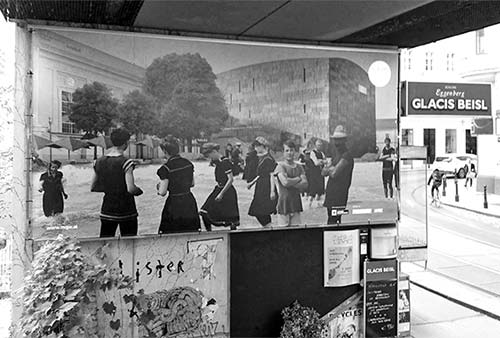
$$ Glacis Beisl, at the top edge of the MuseumsQuartier just before Spittelberg, is popular with locals. A gravelly wine garden tucked next to a city fortification, its outdoor tables and breezy ambience are particularly appealing on a balmy evening (weekday lunch specials, open daily, Breitegasse 4, +43 1 526 5660, www.glacisbeisl.at).
Mariahilfer Strasse and the Naschmarkt
Mariahilfer Strasse is filled with reasonable cafés serving all types of cuisine. For locations, see the map on here.
$$ Trześniewski’s sandwich bar is the place for a quick yet traditional bite. Consider the branch at Mariahilfer Strasse 95 (see the Trześniewski listing earlier in this chapter for ordering tips), or its imitators (one is at #91).
$ Schnitzelwirt is an old classic with a 1950s patina and a mixed local and tourist clientele. In this working-class place, no one finishes their schnitzel (notice the self-serve butcher paper and plastic bags for leftovers). Walking to the back, you pass the kitchen piled high with breaded cutlets waiting for the deep fryer. The schnitzels are served with a starch or salad; if you order the smallest portion, you may want to add a side dish (closed Sun, Neubaugasse 52, U: Neubaugasse, +43 1 523 3771).
Supermarket: Look for the big Billa Plus in the basement of the Gerngross shopping mall at Mariahilfer Strasse 42 (Mon-Fri until 20:00, Sat until 18:00, closed Sun, U: Neubaugasse).
Naschmarkt: For a picnic or a trendy dinner, try the Naschmarkt, Vienna’s sprawling produce market. This thriving Old World scene comes with plenty of fresh produce, cheap local-style eateries, cafés, kebab and sausage stands, and the best-value sushi in town (market open Mon-Fri 6:00-19:30, Sat until 18:00, closed Sun, closes earlier in winter; restaurants open later; U: Karlsplatz, follow Karlsplatz signs out of the station). Picnickers can buy supplies at the market and eat on nearby Karlsplatz (plenty of chairs facing the Karlskirche) or pop into the nearby Burggarten, behind the famous Mozart statue.
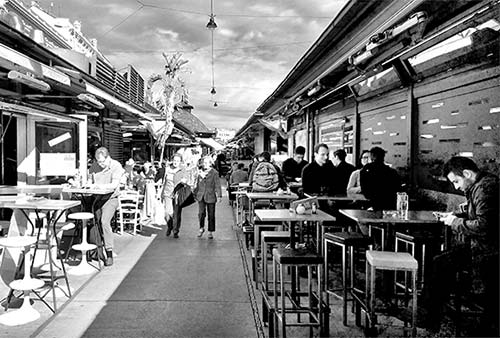
In recent years, the Naschmarkt has become fashionable for dinner (or cocktails), with an amazing variety of local and international eateries to choose from. The best plan: Stroll through the entire market to survey the options, and then pick the place that appeals. For more on the Naschmarkt, see here.
VIENNA’S CAFÉ CULTURE
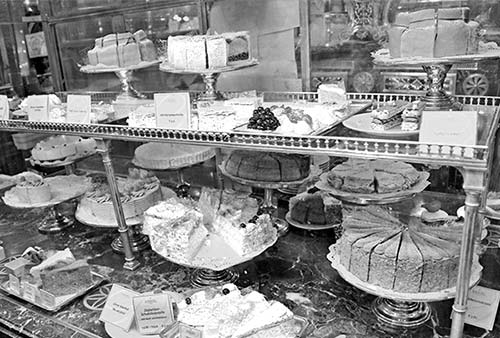
Vienna is known for its classic cafés—perfect places to sip some coffee, nibble a pastry, and read a newspaper. You can typically order light lunches as well. A café is also a great place to try one of Vienna’s famous desserts, as the city is the birthplace of the Sacher torte and a bevy of other cakes and pastry treats. It’s standard practice for your coffee to be served on a little silver tray, with a glass of tap water and perhaps a piece of chocolate on the side.
Coffee-Ordering Lingo: As in Italy and France, coffee drinks in Austria are espresso-based. Kaffee means coffee and Milch is milk; Obers is cream, while Schlagobers is whipped cream. Here are some Austrian coffee terms: Use them elsewhere, and you’ll probably get a funny look (some are unique just to Vienna).
Schwarzer or Mokka: Straight, black espresso; order it kleiner (small) or grosser (big)
Verlängerter (“lengthened”): Espresso with water, like an Americano
Brauner: With a little milk
Schale Gold (“golden cup”): With a little cream (Vienna)
Mélange: Like a cappuccino
Franziskaner: A Mélange with whipped cream rather than foamed milk, often topped with chocolate flakes
Kapuziner: Strong coffee with a dollop of sweetened cream
Verkehrt (“inverted”) or Milchkaffee: Two-thirds milk and one-third coffee (Vienna)
Einspänner (“buggy”): With lots and lots of whipped cream, served in a glass with a handle (It was the drink of horse-and-buggy drivers, who only had one hand free.)
Fiaker (“horse-and-buggy driver”): Black, served with a sliwowitz (plum schnapps) or rum (Vienna)
(Wiener) Eiskaffee: Coffee with ice cream
Maria Theresia: Coffee with orange liqueur
Cafés in the Old Center
These are some of my favorite $ Viennese cafés located inside the Ring (see the “Restaurants in Central Vienna” map, earlier).
Café Central is overrun with tourists. Still, it remains a classic place: lavish under Neo-Gothic columns, celebrated by 19th-century Austrian writers, and featuring live piano entertainment—schmaltzy tunes on a fine, Vienna-made Bösendorfer each evening from 17:00 to 22:00 (Mon-Sat early-22:00, Sun from 10:00, corner of Herrengasse and Strauchgasse, U: Herrengasse, +43 1 533 3764).
Café Bräunerhof, between the Hofburg and the Graben, offers traditional ambience with few tourists and live music on weekends (Sat-Sun 15:00-18:00), along with cheap lunches on weekdays (Mon-Fri early-19:00, Sat-Sun until 18:00, no hot food after 15:00, Stallburggasse 2, U: Stephansplatz, +43 1 512 3893).
Café Hawelka has a dark, “brooding Trotsky” atmosphere, paintings by struggling artists who couldn’t pay for coffee, a saloon-wood flavor, chalkboard menu (no hot food), smokey velvet couches, an international selection of newspapers, and a phone that rings for regulars (long hours daily, just off the Graben at Dorotheergasse 6, U: Stephansplatz, +43 1 512 8230).
Gerstner Café, facing the opera house in a grand 1860s Ringstrasse building, maintains a royal elegance. Climb to the third level to be immersed in the over-the-top world of Vienna’s 19th-century elites. It’s a nice alternative to the touristy and overpriced Café Sacher for your Sacher torte (small sandwiches and pastries, fancy café lunch menu, closed Sun, Kärntner Strasse 51, +43 1 526 1361).
Other Classics in the Old Center: All of these places are open long hours daily: Café Diglas (good lunches, piano nightly, two blocks behind St. Stephen’s Cathedral at Wollzeile 10), Café Pruckel (across from Stadtpark at Stubenring 24), Café Tirolerhof (two blocks from the opera house, behind the TI on Tegetthoffstrasse, at Führichgasse 8), and Café Landtmann (directly across from the City Hall on the Ringstrasse at Universitätsring 4). The Landtmann is unique, as it’s the only grand café built along the Ring with all the other grand buildings.
Near the Naschmarkt
Café Sperl dates from 1880 and is still furnished identically to the day it opened—from the coat tree to the chairs (long hours Mon-Sat, Sun until 20:00, closed in July-Aug, near the Naschmarkt at Gumpendorfer Strasse 11—see the map on here, U: MuseumsQuartier, +43 1 586 4158).
WEIN IN WIEN: VIENNA’S WINE GARDENS
The Heuriger (HOY-rih-gur) is unique to Vienna, dating back to the 1780s, when Emperor Josef II decreed that vintners needed no special license to serve their own wines and juices to the public in their own homes. Many families grabbed this opportunity and opened Heurigen (HOY-rih-gehn)—wine-garden restaurants.
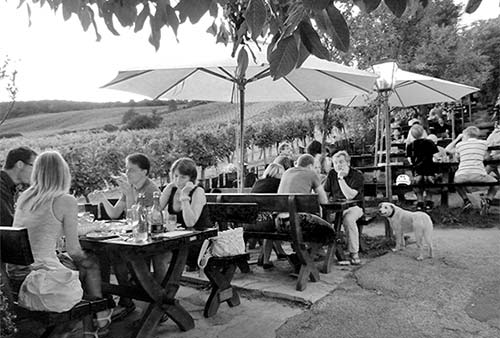
A tradition was born. Today, Heurigen are licensed but do their best to maintain the old-village atmosphere, serving each fall’s vintage until November 11 of the following year, when a new vintage year begins. To go with your wine, a Heuriger serves a variety of prepared foods that you choose from a deli counter. This is the most intimidating part of the Heuriger experience for tourists, but it’s easily conquered. Some Heurigen compromise by offering a regular menu that you can order from. At many establishments, strolling musicians entertain—and ask for tips.
Ordering at the Counter: Think of a full-service deli counter at an American supermarket with a seating section nearby. Choose from the array of prepared items and hot dishes, pay at the buffet counter, and find a table. Then order (and pay for) your wine or other drinks from the waiter who will appear at your table.
Food is generally sold by weight, often in “10 dag” units (that’s 100 grams, or about a quarter-pound). The buffet has several sections: The core of your meal is a warm dish, generally meat (such as ham, roast beef, roast chicken, roulade, or meatloaf) carved off a big hunk. There are also warm sides (Beilagen), such as casseroles and sauerkraut, and a wide variety of cold salads and spreads. Rounding out the menu are bread and cheese (they’ll slice it off for you).
Neustift am Walde
This district is easy to reach by public transit and you’ll actually see the vineyards.
Getting There: Take the U-6 subway to Nussdorfer Strasse, then ride bus #35A (direction: Salmannsdorf, roughly 18 minutes, leaves from stop across the street from north side of the U-Bahn station). For Weinhof Zimmerman, get off at the Agnesgasse stop; for the other two, use the Neustift am Walde stop.
$$ Weinhof Zimmermann, a 10-minute uphill walk from the bus stop, is my favorite. It’s a sprawling farmhouse where the green tables on patios echo the terraced fields all around. The idyllic setting comes with rabbits in petting cages, great food, fine hillside vistas, and a coziness unmatched by the other Heurigen mentioned here (opens at 15:00 Tue-Sat, 12:00 on Sun, closed Mon, +43 1 440 1207). From the Agnesgasse stop, hike a block uphill and turn left on Mitterwurzergasse to #20.
$$ Das Schreiberhaus Heurigen-Restaurant is a popular, family-owned place right at the bus stop. Its creaky, old-time dining rooms are papered with celebrity photos. There are 600 spaces inside and another 600 outside, music nightly after 19:00 unless it’s slow, and a cobbled backyard that climbs in steps up to the vineyards. Alone among my listings, this place sometimes offers a cheap all-you-can-eat lunch buffet on weekdays (Thu-Fri from 17:00, Sat-Sun from 12:00, sometimes open Mon-Wed, Rathstrasse 54, +43 1 440 3844).
$$ Fuhrgassl Huber can accommodate 1,000 people inside and just as many outside. You can lose yourself in its sprawling backyard, with vineyards streaking up the hill from terraced tables. Musicians stroll most nights after 19:00 (opens at 14:00 Mon-Sat, 12:00 on Sun, a few steps past Das Schreiberhaus at Neustift am Walde 68, +43 1 440 1405, family Huber).
Nussdorf
This untouristy district, characteristic and popular with the Viennese, feels very real, with a working-class vibe, streets lined with local shops, and characteristic Heurigen that feel a little bit rougher around the edges.
Getting There: Take tram #D from the Ringstrasse (get on near opera, Hofburg/Kunsthistorisches Museum, or City Hall) to its endpoint, the Beethovengang stop (despite what it says on the front of the tram, the Nussdorf stop isn’t the end—stay on for one more stop). Exit the tram, cross the tracks, go uphill 40 yards, and look for Schübel-Auer and Kierlinger on your right. Mayer am Pfarrplatz is a 10-minute walk from the tram stop.
Getting Home: Trams run less frequently in the evening, so be prepared to wait or ask one of the waitstaff to call a taxi.
$ Schübel-Auer Heuriger is my favorite here, with a peaceful leafy garden and a rustic interior. The buffet is big and user-friendly—most dishes are labeled and the patient staff speak English (opens at 16:00 Tue-Sat, 12:00 on Sun, closed Mon and generally Sun-Wed off-season, Kahlenberger Strasse 22, +43 1 370 2222).
$ Heuriger Kierlinger, next door, is also good, with a particularly rollicking, woody room around its buffet and a courtyard shaded with chestnut trees (opens at 15:30, closed most of August and periodically in off-season, Kahlenberger Strasse 20, +43 1 370 2264).
$$$ Mayer am Pfarrplatz is a bustling place with plenty of seating—choose from the indoor restaurant filled with photos of famous guests or the elegant ivy-covered outdoor spaces that tempt you to stay a while (seasonal menu, opens at 12:00, Pfarrplatz 2, +43 1 370 1287).
Vienna Connections
BY TRAIN
Vienna has an impressive Hauptbahnhof (main train station) from which most—but not all—trains depart. Be sure to confirm which station your train uses. From Vienna’s two biggest stations (Hauptbahnhof and Westbahnhof), the handiest connection to the center is the U-Bahn (subway). For some stations, there’s also a handy tram connection. (See the “Vienna’s Public Transportation” map in the “Orientation to Vienna” section.)
For schedules, check Germany’s excellent all-Europe timetable at www.bahn.com, and consider downloading the user-friendly DB Navigator app. The Austrian federal railway’s timetable at www.oebb.at includes prices, but it doesn’t always remind you about discounts or special passes.
Wien Hauptbahnhof
Vienna’s huge central station (just a few U-Bahn stops south of downtown) has 12 pass-through tracks, shopping, and all the services you may need—including baggage lockers, a Reisezentrum (where you can ask travel-related questions; long hours daily), food court (some outlets open very late), restaurants (including an outpost of the recommended Oberlaa pastry shop), ATMs, grocery stores (some open daily until late), drugstores, bookstores, mobile-phone shops, a car-rental desk (Europcar), a bike-rental shop, and a post office. Many shops are open late and (unlike in the city center) some are open on Sunday.
Getting to the City Center: To reach the center, including all my recommended hotels there, ride the U-1 (subway) for two to four stops (direction: Leopoldau) to Karlsplatz, Stephansplatz, or Schwedenplatz—from the main hall follow the red U1 signs; ticket machines are near the escalators. You can also take tram #D (which runs along the Ring) from outside the main entrance. To reach Mariahilfer Strasse, ride U-1 three stops to Stephansplatz, then change to U-3 (direction: Ottaring), or hop on bus #13A. Tram #O runs from the station to Landstrasse and the Wien-Mitte station (for airport trains).
When timing any train trip out of Vienna, keep in mind that the U-Bahn stop is a bit of a walk from the main train platforms—allow at least 10 minutes to get from the U-Bahn stop to your train.
Westbahnhof
This station (at the west end of Mariahilfer Strasse, on the U-3 and U-6 lines) has a bright, user-friendly mall of services, shops, and eateries (including the recommended Trześniewski—near track 9—with cheap and elegant finger sandwiches). You’ll find a ticket office (daily 6:00-20:00), travel agencies, grocery stores, ATMs, a post office, and baggage lockers (on the ground floor by the WC).
The private Westbahn train (www.westbahn.at), which connects Vienna and Salzburg, leaves from here and offers an alternative to the state-run ÖBB trains. For purchase on short notice, Westbahn’s regular fares are half those of ÖBB, with the option to buy your ticket on board.
Getting to the City Center: For the center, follow orange signs to the U-3 (direction: Simmering). If your hotel is along Mariahilfer Strasse, your stop is on this line, but it may be simpler to walk.
Franz-Josefs-Bahnhof
This small station in the northern part of the city serves Krems and other points on the north bank of the Danube. Connections from Český Krumlov in the Czech Republic sometimes arrive here, too.
Getting to the City Center: There’s no U-Bahn stop at the station, but convenient tram #D connects it to the city center. Also note that trains coming into town from this direction stop at the Spittelau station (on the U-4 and U-6 lines), one stop before they end at the Franz-Josefs-Bahnhof; consider hopping off your train at Spittelau for a handy connection to other points in Vienna. (Similarly, if you’re headed out of town and you’re not near the tram #D route, take the U-Bahn to Spittelau and catch your train there.)
Wien-Mitte Bahnhof
This smaller station, just east of the Ring, is the terminus for the CAT and S-Bahn (suburban trains) to the airport and sits below a busy shopping mall. Be aware that its U-Bahn (subway) station is called “Landstrasse.” From here, take the U-3 to hotels near Stephansplatz or Mariahilfer Strasse, and the U-4 to hotels that are closer to the airport. It’s also connected directly to the Hauptbahnhof by tram #O.
Train Connections
Before leaving your hotel, confirm which station your train leaves from.
From Vienna by Train to: Bratislava (2/hour, 1 hour, alternating between Bratislava’s main station and Petržalka station, or try going by bus or boat; described in the Bratislava chapter), Salzburg (3/hour, 2.5-3 hours), Hallstatt (at least hourly, 4 hours, most change in Attnang-Puchheim), Budapest (nearly hourly, 2.5 hours; can be cheaper by bus: hourly, 3 hours, www.flixbus.com), Prague (7/day direct, 4 hours; more with change; night train, 6 hours), Český Krumlov (5/day with 2 changes, 5 hours), Munich (7/day direct, 4 hours; otherwise about hourly, 4.5 hours, transfer in Salzburg), Zürich (5/day direct, 8 hours; nearly hourly with 1-2 changes, 9 hours; night train, 9 hours), Ljubljana (1/day direct, 6 hours; 4/day with change in Villach, 6.5 hours), Zagreb (4/day, 7-9 hours, 1 direct, others with 1-3 changes), Kraków (3/day, 6-7 hours with 1-2 changes; night train, 8 hours), Warsaw (3/day, including 2 direct, 7 hours; night train, 8 hours), Rome (4/day, 12.5 hours, 1-3 changes; night train, 14 hours), Venice (2/day direct, 8 hours; 3/day with changes, 8-10 hours; night train, 11 hours), Frankfurt (5/day direct, 6.5 hours; night train, 9 hours).
BY BUS
The main bus station is located just east of the Ring at the U-3 Erdberg stop. Flixbus offers dirt-cheap rates to Salzburg, Budapest, Prague, Bratislava, and points beyond (www.flixbus.com).
BY PLANE
Vienna International Airport
The airport, 12 miles from the center, is easy to reach from downtown (code: VIE, www.viennaairport.com). The arrivals hall has an array of services: TI, shops, ATMs, eateries, and a handy supermarket. Ramps lead down to the lower-level train station.
Getting Between the Airport and Central Vienna
By Train: Trains connect the airport with the Wien-Mitte Bahnhof, on the east side of the Ring (described earlier). Choose between two ways of getting to Wien-Mitte: the regular S-7 S-Bahn train (€4.30, 24 minutes) and the express CAT train (€12, 16 minutes). Both run twice an hour on the same tracks. The airport tries to steer tourists into taking the CAT train, but it’s hard to justify spending almost €8 to save eight minutes of time. I’d take the S-7, unless the CAT is departing first and you’re in a big hurry. Trains from downtown start running about 5:00, while the last train from the airport leaves about 23:30.
To take the S-Bahn, from the arrivals hall, go down either of the big ramps, follow the red ÖBB signs, then buy a regular two-zone public transport ticket from the multilingual red ticket machines. It’s easiest to just type in your final destination and let the machine do the work. The €4.30 price includes any transfers to other trams, city buses, and S- and U-Bahn lines (see www.wienerlinien.at). Be aware that the Wien-Mitte Bahnhof U-Bahn station is called “Landstrasse.” ÖBB Railjet trains also run from the airport to Vienna’s Hauptbahnhof (to connect to U-1) and to Wien Meidling (to connect to U-6).
If you’ll be using public transportation in Vienna a lot, consider buying a transit pass from the machines instead of a single ticket (see “Getting Around Vienna,” near the beginning of this chapter). As these passes are only valid in Vienna’s central zone, you’ll need to also buy a €2.40 single ticket to cover the stretch between the airport and the limits of the inner zone.
To take the fast CAT (which stands for “City Airport Train”), follow the green signage down the ramp to your right as you come out into the arrivals hall and buy a ticket from the green machines (one-way-€12, or €14.40 to also cover the connecting link from Wien-Mitte to your final destination by public transit; round-trip ticket valid 30 days-€21, 4 tickets-€42; usually departs both airport and downtown around :08 and :38 past the hour, www.cityairporttrain.com).
By Bus: Convenient express airport buses go to various points in Vienna, including Morzinplatz/Schwedenplatz U-Bahn station (for city-center hotels, 20 minutes) and Westbahnhof (for Mariahilfer Strasse hotels, 45 minutes). Double check your destination as you board (€9, round-trip-€15, 1/hour, buy ticket from driver, +43 51 717 for info, www.viennaairportlines.at).
By Taxi: The 30-minute ride into town costs a fixed €36 from the several companies with desks in the arrivals hall. You can also take a taxi from the taxi rank outside; you’ll pay the metered rate (plus a trivial baggage surcharge), which should come out about the same. Save by riding the cheap train/bus downtown, then taking a taxi to your destination. An Uber ride to the airport is around €30.
Connecting the Airport and Other Cities
Direct buses serve Bratislava and its airport (1-2/hour, 1 hour, buses leave from platforms 7, 8, and 9; two companies: Flixbus, www.flixbus.com, and Slovak Lines/Postbus, www.slovaklines.sk), Budapest (almost hourly, 3 hours, www.flixbus.com), Prague (4/day, 7 hours, www.studentagency.eu, also stops in Brno).
Bratislava Airport
The airport in nearby Bratislava, Slovakia—a hub for some low-cost flights—is an hour away from Vienna (see the Bratislava chapter).
German Survival Phrases
In the phonetics, ī sounds like the long i in “light,” and bolded syllables are stressed.
| Good day. | Grüss Gott. grews gote |
| Do you speak English? | Sprechen Sie Englisch? shprehkh-ehn zee ehng-lish |
| Yes. / No. | Ja. / Nein. yah / nīn |
| I (don’t) understand. | Ich verstehe (nicht). ikh fehr-shtay-heh (nikht) |
| Please. | Bitte. bit-teh |
| Thank you. | Danke. dahng-keh |
| I’m sorry. | Es tut mir leid. ehs toot meer līt |
| Excuse me. | Entschuldigung. ehnt-shool-dig-oong |
| No problem. | Kein Problem. kīn proh-blaym |
| (Very) good. | (Sehr) gut. (zehr) goot |
| Goodbye. | Auf Wiedersehen. owf vee-der-zayn |
| one / two | eins / zwei īns / tsvī |
| three / four | drei / vier drī / feer |
| five / six | fünf / sechs fewnf / zehkhs |
| seven / eight | sieben / acht zee-behn / ahkht |
| nine / ten | neun / zehn noyn / tsayn |
| How much is it? | Wieviel kostet das? vee-feel kohs-teht dahs |
| Write it? | Schreiben? shrī-behn |
| Is it free? | Ist es umsonst? ist ehs oom-zohnst |
| Included? | Inklusive? in-kloo-zee-veh |
| Where can I buy / find…? | Wo kann ich kaufen / finden...? voh kahn ikh kow-fehn / fin-dehn |
| I’d like / We’d like... | Ich hätte gern / Wir hätten gern… ikh heh-teh gehrn / veer heh-tehn gehrn |
| ...a room. | ...ein Zimmer. īn tsim-mer |
| ...a ticket to ____. | ...eine Fahrkarte nach ____. ī-neh far-kar-teh nahkh ____ |
| Is it possible? | Ist es möglich? ist ehs mur-glikh |
| Where is...? | Wo ist…? voh ist |
| ...the train station | ...der Bahnhof dehr bahn-hohf |
| …the bus station | ...der Busbahnhof dehr boos-bahn-hohf |
| ...the tourist information office | ...das Touristeninformationsbüro dahs too-ris-tehn-in-for-maht-see-ohns-bew-roh |
| ...the toilet | ...die Toilette dee toh-leh-teh |
| men / women | Herren / Damen hehr-rehn / dah-mehn |
| left / right | links / rechts links / rehkhts |
| straight | geradeaus geh-rah-deh-ows |
| What time does this open / close? | Um wieviel Uhr wird hier geöffnet / geschlossen? oom vee-feel oor veerd heer geh-urf-neht / geh-shloh-sehn |
| At what time? | Um wieviel Uhr? oom vee-feel oor |
| Just a moment. | Moment. moh-mehnt |
| now / soon / later | jetzt / bald / später yehtst / bahld / shpay-ter |
| today / tomorrow | heute / morgen hoy-teh / mor-gehn |
In a German/Austrian Restaurant
| I’d like / We’d like... | Ich hätte gern / Wir hätten gern… ikh heh-teh gehrn / veer heh-tehn gehrn |
| …a reservation for… | ...eine Reservierung für... ī-neh reh-zer-feer-oong fewr |
| …a table for one / two. | ...einen Tisch für eine Person / zwei Personen. ī-nehn tish fewr ī-neh pehr-zohn / tsvī pehr-zoh-nehn |
| ...the menu (in English), please. | ...die Speisekarte (auf Englisch), bitte. dee shpī-zeh-kar-teh (owf ehng-lish) bit-teh |
| nonsmoking | Nichtraucher. nikht-rowkh-er |
| Is this seat free? | Ist hier frei? ist heer frī |
| service (not) included | Trinkgeld (nicht) inklusive trink-gehlt (nikht) in-kloo-zee-veh |
| cover charge | Eintritt īn-trit |
| to go | zum Mitnehmen tsoom mit-nay-mehn |
| with / without | mit / ohne mit / oh-neh |
| and / or | und / oder oont / oh-der |
| menu (of the day) | (Tages-) Karte (tah-gehs-) kar-teh |
| set meal for tourists | Touristenmenü too-ris-tehn-meh-new |
| specialty of the house | Spezialität des Hauses shpayt-see-ah-lee-tayt dehs how-zehs |
| breakfast / lunch / dinner | Frühstück / Mittagessen / Abendessen frew-shtuhk / mit-ah-geh-sehn / ah-behn-deh-sehn |
| appetizers | Vorspeise for-shpī-zeh |
| bread / cheese | Brot / Käse broht / kay-zeh |
| sandwich | Sandwich zahnd-vich |
| soup / salad | Suppe / Salat zup-peh / zah-laht |
| meat / poultry | Fleisch / Geflügel flīsh / geh-flew-gehl |
| fish / seafood | Fisch / Meeresfrüchte fish / mee-rehs-froysh-teh |
| fruit / vegetables | Obst / Gemüse ohpst / geh-mew-zeh |
| dessert | Nachspeise nahkh-shpī-zeh |
| tap water | Leitungswasser lī-toongs-vah-ser |
| mineral water | Mineralwasser meen-eh-rahl-vah-ser |
| milk | Milch milsh |
| (orange) juice | (Orangen-) Saft (oh-rahn-zhehn-) zahft |
| coffee / tea | Kaffee / Tee kah-fay / tay |
| wine | Wei vīn |
| red / white | rot / weiß roht / vīs |
| glass / bottle | Glas / Flasche glahs / flah-sheh |
| Cheers! | Prost! prohst |
| More. / Another. | Mehr. / Noch eins. mehr / nohkh īns |
| The same. | Das gleiche. dahs glīkh-eh |
| The bill, please. | Rechnung, bitte. rehkh-noong bit-teh |
| tip | Trinkgeld trink-gehlt |
| Delicious! | Lecker! lehk-er |
For more user-friendly German phrases, check out Rick Steves German Phrase Book.