PRACTICALITIES
SUPERMARKETS AND OTHER CHEAP EATS
Map: Navigating a Two-Lane Icelandic Roundabout
This chapter covers the practical skills of Icelandic travel: how to get tourist information, pay for things, sightsee efficiently, find good-value accommodations, eat affordably but well, use technology wisely, and get between destinations smoothly. For more information on these topics, see RickSteves.com/travel-tips.
Travel Tips
Travel Advisories: Before traveling, check updated health and safety conditions, including restrictions for your destination, at Travel.State.gov (US State Department travel pages) and CDC.gov (Centers for Disease Control and Prevention. The US embassy website for Iceland is another good source of information (see later).
While most countries no longer require proof of Covid-19 vaccination for entry, some sights or tours may still have vaccination requirements (check websites). Even if it’s not required for your itinerary, it’s smart to pack a copy of your vaccine record and/or store a photo of your Covid-19 vaccine card on your phone.
ETIAS Registration: The European Union may soon require US and Canadian citizens to register online with the European Travel Information and Authorization System (ETIAS) before entering Iceland and other Schengen Zone countries (quick and easy process). For the latest, check https://travel-europe.europa.eu/etias_en.
Tourist Information: Iceland’s national tourist office offers practical information and trip-planning ideas on their website (www.visiticeland.com), which also links to good regional information. InspiredByIceland.com is also helpful.
In Iceland, a good first stop is generally the tourist information office (abbreviated TI in this book). While you can get plenty of information online, I still swing by the local TI to pick up maps and get info on transit (including excursion-bus schedules), walking tours, special events, and nightlife. Look for the “Handpicked Iceland” brochures (also an app), with restaurant, shopping, and activity recommendations throughout Iceland.
Emergency and Medical Help: For any emergency service—ambulance, police, or fire—call 112 (operators typically speak English).
For simple illnesses, go to a pharmacist for advice. For more complicated problems, ask at your hotel for help—they’ll know the nearest medical and emergency services. Or dial 1770 to reach the efficient after-hours medical service called Læknavaktin (www.citydoctors.is [URL inactive]), available for free phone consults until 22:00 daily. Non-Europeans can pay a reasonable fee to visit any of Iceland’s state-run primary care centers (heilsugæslustöð) during business hours.
Theft or Loss: To replace a passport, you’ll need to go in person to an embassy or consulate (see next). If your credit and debit cards disappear, cancel and replace them (see “Damage Control for Lost Cards” on here). File a police report either on the spot or within a day or two; you’ll need it to submit an insurance claim for lost or stolen items, and it can help with replacing your passport or credit and debit cards. For help with a lost phone, see “Damage Control for Lost Phones” on here. For more information, see RickSteves.com/help.
US Embassy in Reykjavík: By appointment only, +354 595 2200, after-hours emergencies +354 595 2248, http://is.usembassy.gov (Engjateigur 7).
Canadian Embassy in Reykjavík: Mon-Fri 9:00-12:00 and by appointment, +354 575 6500, www.canadainternational.gc.ca/iceland-islande (Túngata 14).
Time Zones: Iceland is on Greenwich Mean Time year-round. In summer, Iceland is one hour behind Great Britain and four/seven hours ahead of the East/West coasts of the US. In winter, Iceland is on par with Great Britain and five/eight hours ahead of the East/West coasts of the US. For a handy time converter, use the world clock app on your phone or download one (see www.timeanddate.com).
As Iceland’s clocks are set closer to European time than the island’s geography justifies, the sun doesn’t reach its zenith in the sky until after 13:00, and rises and sets later in the day than you might expect. Expect very long days in summer (about 20 hours of sunlight from May to July) and very short days in winter (December averages about 4 hours of sunlight).
Business Hours: Shops in Iceland are usually open from 10:00 or 11:00 until at least 18:00, with no lunch break. Supermarkets, other large retailers, and tourist-oriented shops are mostly open long hours daily, with slightly reduced weekend hours. Small shops often close early on Saturday.
Watt’s Up? Like continental Europe, Iceland’s electrical system is 220 volts, instead of North America’s 110 volts. Most electronics (laptops, phones, cameras) and appliances (hair dryers, CPAP machines) convert automatically, so you won’t need a converter, but you will need an adapter plug with two round prongs, sold inexpensively at travel stores in the US.
Rip up this book! Turn chapters into mini guidebooks: Break the book’s spine and use a utility knife to slice apart chapters, keeping gummy edges intact. Reinforce the chapter spines with clear wide tape, use a heavy-duty stapler, or make or buy a cheap cover (see the Travel Store at RickSteves.com), swapping out chapters as you travel.
Discounts: Discounts for sights are generally not listed in this book. However, seniors (age 67 and over), youths under 18, and students and teachers with proper identification cards (obtain from www.isic.org) can get discounts at many sights—always ask.
Online Translation Tips: The Google Translate app converts spoken or typed English into most European languages (and vice versa) and can also translate text it “reads” with your smartphone’s camera. Google’s Chrome browser instantly translates websites; Translate.google.com and DeepL.com are also handy.
Going Green: There’s plenty you can do to reduce your environmental footprint when traveling. When practical, take a train instead of a flight within Europe, and use public transportation within cities. In hotels, use the “Do Not Disturb” sign to avoid daily linen and towel changes (or hang up your towels to signal you’ll reuse them). Bring a reusable shopping tote and refillable water bottle (Europe’s tap water is safe to drink). Skip printed brochures, maps, or other materials that you don’t plan to keep—get your info online instead. To find out how Rick Steves’ Europe is offsetting carbon emissions with a self-imposed carbon tax, see RickSteves.com/about-us/climate-smart.
Money
Here’s my basic strategy for using money wisely in Europe. I pack the following and keep it all safe in my money belt.
Credit Card: For all intents and purposes, Iceland has gone cashless, making a card your only payment option. You’ll use your credit card for purchases both big (hotels, advance tickets) and small (little shops, food stands). A “tap-to-pay” or “contactless” card is widely accepted and simple to use.
Backup Card: Some travelers carry a second card (debit or credit; ideally from a different bank) in case one gets lost or simply doesn’t work.
Stash of Cash: I carry $100-200 in US dollars as a cash backup, which comes in handy in an emergency.
PLASTIC VERSUS CASH
Icelanders almost never use cash; they pay with plastic even for small purchases such as parking meters, WCs, and hot dogs. Don’t bother withdrawing any local cash from an ATM; it’s possible to get through an entire Icelandic trip without it. Most merchants prefer plastic, and you’ll scramble to spend unused krónur at the end of your trip. It’s bothersome to exchange krónur back to dollars even in Iceland, and difficult (with punishing rates) outside the country.
In Iceland, I use my credit card exclusively, for everything from hotel reservations and car rentals to everyday expenses such as meals, gas, parking, sightseeing, and the odd pay WC. While you could use your debit card for some of these expenses, keep in mind that you have greater fraud protection with your credit card. The card you use may depend on which one charges the lowest international transaction fees.
BEFORE YOU GO
Know your cards. For credit cards, Visa and Mastercard are universal while American Express and Discover are less common. US debit cards with a Visa or Mastercard logo will work in any European ATM.
Go “contactless.” Contactless pay options are now standard in much of Europe. Check to see if you already have—or can get—a tap-to-pay version of your credit card (look on the card for the tap-to-pay symbol—four curvy lines) and consider setting up your smartphone for contactless payment (see next section for details). Both options are more secure than a physical credit card: Instead of recording your credit-card number, a one-time encrypted “token” enables the purchase and expires shortly afterward.
Know your PIN. Make sure you know the numeric four-digit PIN for each of your cards, both debit and credit. Request it if you don’t have one, as it may be required for some purchases. Allow time to receive the information by mail—it’s not always possible to obtain your PIN online or by phone.
Report your travel dates. Some banks want to know that you’ll be using your debit and credit cards overseas, specifically when and where you’re headed. Depending on your bank, you can do this either online or over the phone.
Find out about fees. For any purchase made with a card, you may be charged a currency conversion fee (1-3 percent) and/or a Visa or Mastercard international transaction fee (less than 1 percent). Shop around; you can compare credit cards on Bankrate.com. Some cards offer lower international fees than others—and some don’t charge any at all. If you’re getting a bad deal, consider getting a new card. Most credit unions and some airline loyalty cards have low or no international transaction fees.
IN EUROPE
Using Credit Cards and Payment Apps
Tap-to-Pay or Contactless Cards: These cards have the usual chip and/or magnetic stripe, but with the addition of a contactless symbol. Simply tap your card against a contactless reader to complete a transaction—no PIN or signature required (except in some cases as a security measure for larger purchases). This is by far the easiest way to pay and is universally available throughout Iceland. Some small businesses (such as market stalls or food stands) accept only tap cards.

Payment Apps: Just like at home, you can pay with your smartphone or smartwatch by linking a credit card to an app such as Apple Pay or Google Pay. To pay, hold your phone near a contactless reader; you may need to verify the transaction with a face scan, fingerprint scan, or passcode. If you’ve arrived in Europe without a tap-to-pay card, you can easily set up your phone to work in this way.
Will My US Card Work? Usually, yes. On rare occasions, you may run into a situation where your card doesn’t work. This is most likely at self-service payment machines (such as transit-ticket kiosks, tollbooths, or fuel pumps). Usually a tap-to-pay card does the trick in these situations.
Always Choose to Pay in the Local Currency: During a credit-card transaction, the payment terminal will often ask whether you want to pay in US dollars or in the local currency. Always refuse the conversion and choose the local currency. While this “service”—called Dynamic Currency Conversion (DCC)—offers the illusion of convenience, it comes with a poor exchange rate and/or higher fees, and you’ll wind up losing money.
Security Tips
While Iceland is one of the safest places you can travel, from a petty-crime perspective, there are a few general guidelines to keep in mind anywhere:
Pickpockets target tourists. Keep your passport and backup cards secure in your money belt, and carry one card in your front pocket or wallet.
Avoid using a debit card for purchases. Because a debit card pulls funds directly from your bank account, potential charges incurred by a thief will stay on your account while your bank investigates.
To access your accounts online while traveling, be sure to use a secure connection (see the “Tips on Internet Security” sidebar, later).
Damage Control for Lost Cards
If you lose your credit or debit card, report the loss immediately to your bank (using a secure app) or the following global customer-assistance centers. With a mobile phone, call these 24-hour US numbers: Visa (+1 303 967 1096), Mastercard (+1 636 722 7111), and American Express (+1 336 393 1111).
You’ll need to provide the primary cardholder’s identification-verification details (such as birth date, mother’s maiden name, or Social Security number). You can generally receive a temporary card within two or three business days in Europe (see RickSteves.com/help for more).
If you report your loss within two days, you typically won’t be responsible for unauthorized transactions on your account, although many banks charge a liability fee.
TIPPING
Iceland is emphatically a no-tipping country. That means that you should not tip at restaurants, in taxis, in hotels, or anywhere else. Since you’ll pay for everything with plastic—and most people carry little or no cash—it’s difficult to tip even if you wanted to.
Despite the no-tipping culture, guides on bus tours and other excursions in Iceland will sometimes suggest that you tip them. While you’re free to slip them a little extra money (in any currency) for a job especially well done, you are neither expected nor required to. Icelandic labor law requires that employees receive a full basic wage, independent of any expected gratuities.
GETTING A VAT REFUND
Wrapped into the purchase price of your Icelandic souvenirs is a value-added tax (VAT, called VSK or virðisaukaskattur in Icelandic) of about 24 percent. You’re entitled to get most of that tax back if you purchase more than 6,000 ISK worth of goods at a store that participates in the VAT-refund scheme. Typically, you must ring up the minimum at a single retailer—you can’t add up your purchases from various shops to reach the required amount. (If the store ships the goods to your US home, VAT is not assessed on your purchase.)
Getting your refund is straightforward...and worthwhile if you spend a significant amount.
At the Merchant: Ask the merchant for the VAT-refund document. You may need to fill out the form, or they may do it on the spot. If it’s the latter, they’ll ask for your passport (a photo of your passport usually works). Keep track of the paperwork and your original sales receipt. Note that you’re not supposed to use your purchased goods before you leave Europe.
At the Airport: Assuming you’re departing Iceland from Keflavík Airport, it’s relatively easy to recoup your VAT (but allow extra time to deal with this process). It’s best to claim a refund before checking your luggage. Fill out the refund slip that the merchant gave you and bring it to the VAT-refunds desk on the airport’s main level, across from the car-rental counters. Have your passport and boarding pass available, as well as the credit card you want the refund to go to. The VAT desk will then file the form for you. Technically you may need to show them your purchases, but this step is often skipped.
CUSTOMS FOR AMERICAN SHOPPERS
You can take home $800 worth of items per person duty-free, once every 31 days. Many processed and packaged foods are allowed, including cheeses, dried herbs, jams, baked goods, candy, chocolate, oil, vinegar, condiments, and honey. Fresh fruits and vegetables and most meats are not allowed, with exceptions for some canned items. As for alcohol, you can bring in one liter duty-free (it can be packed securely in your checked luggage, along with any other liquid-containing items).
To bring alcohol (or liquid-packed foods) in your carry-on bag on your flight home, buy it at a duty-free shop at the airport. You’ll increase your odds of getting it onto a connecting flight if it’s packaged in a “STEB”—a secure, tamper-evident bag. But stay away from liquids in opaque, ceramic, or metallic containers, which usually cannot be successfully screened (STEB or no STEB).
For details on allowable goods, customs rules, and duty rates, visit www.cbp.gov.
Sightseeing
Sightseeing can be hard work. Use these tips to make your visits to Iceland’s finest sights meaningful, fun, efficient, and painless.
MAPS AND NAVIGATION TOOLS
Your best navigation tool is on your phone. Google Maps (and similar mapping apps) offer turn-by-turn directions for walking and driving, as well as detailed public transit instructions in most big cities. Simply plug in a destination and instantly get detailed directions for reaching it on foot or by subway, bus, or tram—including where to catch it, how long it takes, where to get off, and how far you’ll walk at the other end.
To conserve data, most mapping apps let you download maps in advance (do this when you’re on strong Wi-Fi). However, offline maps may not include every feature (most in-city public transit navigation doesn’t work offline). For more on how to get online with your phone during your trip, see here.
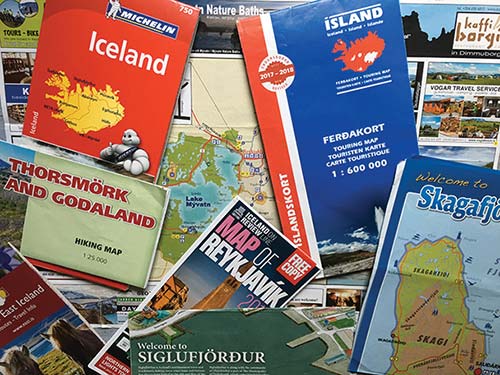
For offline navigation, the maps in this book are concise and simple, designed to help you locate recommended destinations, sights, hotels, and restaurants. Simple paper maps are generally free at TIs and hotels; maps with more detail are sold at newsstands and bookstores.
For advice about maps for drivers, see here.
PLAN AHEAD
Set up an itinerary that allows you to fit in all your must-see sights. Sightseeing in Iceland is distinctive in that many of the things you’ll want to see are natural wonders (volcanoes, geothermal areas, glaciers). Many are within striking distance of Reykjavík but require a car or an excursion. You won’t typically have to worry about opening hours or admission, but you will need to plan how you’ll get there. For advice, see the Beyond Reykjavík chapter.
For a one-stop look at opening hours in Reykjavík, see the “At a Glance” sidebar in that chapter. Don’t put off visiting a must-see sight—you never know when a place will close unexpectedly due to bad weather, a holiday, or renovation. Opening days and hours can fluctuate; confirm the latest with the TI or at the sight’s official website (listed throughout this book).
Some sights are closed or have reduced hours at least a few days a year, especially on holidays such as Christmas, New Year’s, and Labor Day (May 1). A list of holidays is in the appendix; check for possible closures during your trip. In summer, some sights may stay open late. Off-season hours may be shorter or sights may be closed completely.
If you plan to hire a local guide, reserve ahead. Popular guides can get booked up.
Study up. To get the most out of the sight descriptions in this book, read them before you visit.
AT SIGHTS
Much of the sightseeing you’ll do in Iceland is outdoors—and almost all of that is free. Icelanders have lately been debating if this can endure, given rising tourist numbers and the cost of upkeep. Tickets, passes, or local taxes may figure in the future for some popular natural sights.
At Outdoor Sights: Usually you’ll park in a big parking lot; at many sights parking is free, though a few charge a fee (see here for more on parking). Near parking lots, you’ll often find WCs (almost always free; if there’s a charge, you can usually pay with a credit card), a small café or snack stand, and orientation panels with a helpful introduction to the sight. Bigger sights might have a staffed visitors center where you can get more information.
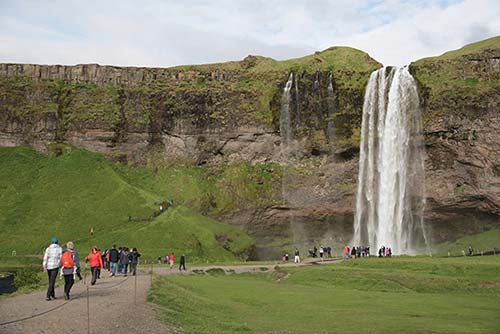
For some natural attractions, expect a walk (5-15 minutes each way) to reach the sight itself from the parking lot. Always stay on marked trails—both for your own safety and to avoid disrupting the beauty you came to see.
In general, be aware that Iceland’s raw nature is as potentially dangerous as it is gorgeous. Read “The Many Ways Iceland Can Kill You” sidebar in the Icelandic Experiences chapter, carefully review sight-specific details in this book, and heed any warning signs posted at the sight itself.
At Museums and Other Indoor Sights: You may not be allowed to enter if you arrive too close to closing time. And guards start ushering people out well before the actual closing time, so don’t save the best for last. If the museum’s photo policy isn’t clearly posted, ask a guard.
Audioguides and Apps: Some sights offer audioguides with useful recorded descriptions in English. Often, you’ll use free Wi-Fi to scan a QR code and access the tour on your phone; less frequently, you’ll borrow or rent a device preloaded with the audio content at the museum. Bring your own plug-in earbuds to enjoy better sound (with a splitter, two can often share one rented device).
Sleeping
Extensive and opinionated listings of good-value rooms are a major feature of this book’s Sleeping sections. I like places that are clean, central, relatively quiet at night, reasonably priced, friendly, small enough to have a hands-on owner or manager, and run with a respect for Icelandic traditions. I’m more impressed by a convenient location and fun-loving philosophy than oversized TVs and a fancy gym. Most of my recommendations fall short of perfection. But if I can find a place with most of these features, it’s a keeper. My recommendations run the gamut, from dorm beds to luxurious rooms with all the comforts. You can also consider a short-term rental or camping your way around Iceland in a campervan.
Book your accommodations as soon as your itinerary is set, especially around the Ring Road (where there aren’t enough rooms to meet demand in many popular areas, including glacier country in the southeast, Seyðisfjörður on the Eastfjords, and around Mývatn). For the peak summer months, rooms book up solid far in advance—for a road trip around the Ring in July and August, you won’t regret having your rooms booked in January. See the appendix for a list of major holidays and festivals in Iceland: Some—like Þjóðhátið in the Westman Islands—merit reserving far in advance. For tips on making reservations, see the “Making Hotel Reservations” sidebar later in this chapter.
Icelandic homes and smaller hotels rely on geothermal energy for heat. There’s usually no central thermostat, just individual controls on each radiator. Typically, if it gets too warm, Icelanders will open a window before they turn down the radiator. Hot water is often geothermal as well (you’ll smell the sulfur).
Many guesthouses and farm stays offer a shared hot tub to guests. These are not the chlorinated hot tubs you’re used to in the US—they’re filled daily with fresh hot spring water, with a minimum of chemicals.
If you visit Iceland in June or early July, it will never get fully dark at night. Accommodations come with blackout curtains that try to darken your sleeping quarters; some travelers will want to bring a nighttime eye mask.
RATES AND DEALS
I’ve categorized my recommended accommodations based on price, indicated with a dollar-sign rating (see sidebar). Room prices can fluctuate significantly with demand and amenities (size, views, and so on), but relative price categories remain constant.
Booking Direct: Once your dates are set, compare prices at several hotels. You can do this by checking hotel websites and booking sites such as Hotels.com or Booking.com. After you’ve zeroed in on your choice, book directly with the hotel itself, by phone, email, or on the hotel’s website. This increases the chances that the hotelier will be able to accommodate special needs or requests (such as shifting your reservation). When you book direct, the owner avoids the commission paid to booking sites—in exchange, ask if they can give you a discount, a nicer room, or free breakfast (if it’s not already included).
Some Icelandic hotels prefer that you use Booking.com to make your reservation (I’ve noted in my listings which hotels prefer this option). Occasionally, the Booking.com rate includes breakfast—at a better rate than booking direct without breakfast. It’s unusual, but in those cases, it makes more sense to go with Booking.com.
TYPES OF ACCOMMODATIONS
Hotels
Double rooms listed in this book range from $150 (very simple, toilet and shower down the hall) to $400 suites (maximum plumbing and more), with most clustering around $200-250. Many hotels also offer single rooms, and some offer larger rooms for four or more people (I call these “family rooms” in the listings). If there’s space for an extra cot, they’ll cram it in for you. In general, a triple room is cheaper than the cost of a double and a single. Three or four people can economize by requesting one big room.
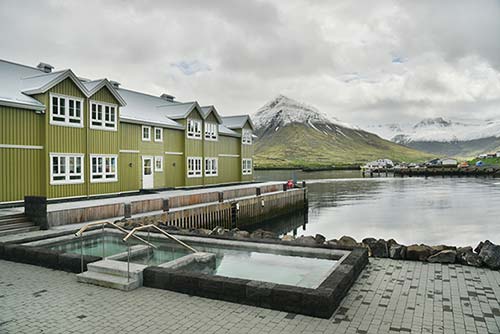
In Iceland, hotels are usually large (big enough for groups), impersonal, and corporate-owned. If you want a more mom-and-pop feeling, look for guesthouses and farm stays (described later). An ample breakfast buffet is generally available, but often costs extra (more affordable if you book it when you reserve the room).
Arrival and Check-In: If you’re arriving in the morning, your room probably won’t be ready. Check your bag safely at the hotel and dive right into sightseeing.
In Your Room: Most hotel rooms have a TV and free Wi-Fi, which can vary in strength and quality. Simpler places rarely have a room phone.
Checking Out: While it’s customary to pay for your room upon departure, it can be a good idea to settle your bill the day before, when you’re not in a hurry and while the manager’s in. Some hotels may ask you to pay on arrival.
Hotelier Help: Hoteliers can be a good source of advice. Most know their town well and can assist you with everything from route tips to finding a good restaurant.
Hotel Hassles: Even at the best places, mechanical breakdowns occur: sinks leak, hot water turns cold, toilets may gurgle or smell, or the Wi-Fi goes out. Report your concerns clearly and calmly at the front desk.
If you find that night noise is a problem (if, for instance, your room is over a nightclub or facing a busy street), ask for a quieter room in the back or on an upper floor. To guard against theft in your room, keep valuables out of sight. Some rooms come with a safe, and other hotels have safes at the front desk. I rarely bother to use one and in a lifetime of travel, I’ve never had anything stolen from my room.
For more complicated problems, don’t expect instant results. Above all, keep a positive attitude. Remember, you’re on vacation. If your hotel is a disappointment, spend more time out enjoying the place you came to see.
Small Guesthouses and Farm Stays
In the countryside, $150-200 buys you a simple room with a shared bathroom in a small guesthouse or rural farm accommodation. For a private bathroom, you’ll step up to the $250-300 range. Even if you’re disinclined to share a bathroom, consider compromising from time to time—not only to save money, but also to land at a more characteristic place. Most Icelanders keep their guesthouses impeccably clean.
While becoming less common, at guesthouses and farm stays you may see separate prices for “made-up beds” and “sleeping-bag space.” Sleeping-bag space means that the guesthouse provides a mattress with sheet and pillow (no pillowcase); you bring your own sleeping bag. A made-up bed includes a comforter and duvet cover.
Guesthouses: Especially in Reykjavík and other towns, you’ll find plenty of small guesthouses with 5-10 rooms and a mix of shared and private bathrooms. In general, guesthouses are cozier, cheaper, and have more character than hotels, but tend to come with simpler amenities and smaller breakfasts.
Farm Stays: Many Icelandic farms rent space to travelers, ranging from a room or two in the main farmhouse to a string of prefab cabins set up elsewhere on the property. These can range from basic summer-camp style to very modern, with private baths and contemporary amenities. Aside from Reykjavík, Iceland had practically no towns until the late 1800s; staying in the countryside lets you experience Iceland as it was for centuries. Sheep are the most common livestock (they’re up in the mountains during the summer), and some farms keep cows or horses; hay is the main crop. While farm families offer a cordial welcome, you should mostly expect your hosts to leave you alone. The Icelandic farm-tourism association, Hey Iceland, has an interactive map to help you pick a spot (www.heyiceland.is, +354 570 2700). Member farms also tend to list at Airbnb, Booking.com, and similar sites.
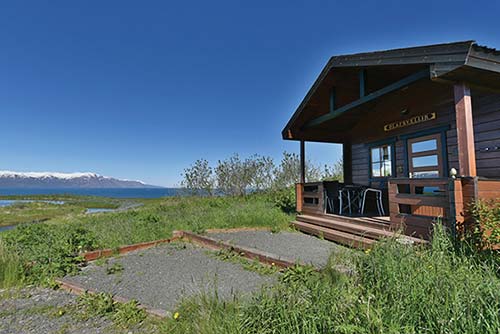
Cottages: Many countryside accommodations feature a mix of guesthouse rooms and private, small, stand-alone or duplex cottages. Some have been built quite recently to accommodate Iceland’s tourism spike and can be more modern than charmingly rustic. A cottage offers added space, privacy/soundproofing, and usually a basic kitchenette, making it a good choice for families or groups.
Short-Term Rentals
A short-term rental—whether an apartment, a house, or a room in a private residence—is a popular alternative, especially in expensive Iceland. Particularly in peak season, you may find an apartment costs approximately half what you’d pay at a hotel—and likely with more space, a kitchen, and other features like laundry services. You trade away the convenience of a staffed reception desk, readymade breakfast, and other hotel amenities, but the savings can be substantial. And, while it varies dramatically, some short-term hosts are more helpful than any hotel receptionist. If you’re willing to stay in a room in someone’s home (rather than have an entire property to yourself), you can save even more.
Finding Accommodations: Websites such as Airbnb, FlipKey, Booking.com, and VRBO let you browse a wide range of properties.
Before you commit, be clear on the location. I like to virtually “explore” the neighborhood using Google Street View. Also consider the proximity to public transportation and how well connected the property is to the rest of the city. Ask about amenities (elevator, laundry, Wi-Fi, parking, etc.). Reviews from previous guests can help identify trouble spots.
Think about the kind of experience you want: Just a key and an affordable bed...or a chance to get to know a local? Some hosts offer self-check-in and minimal contact; others enjoy interacting with you. Read the description and reviews to help shape your decision.
Confirming and Paying: Many places require payment in full before your trip, usually through the listing site. Be wary of owners who want to take your transaction offline; this gives you no recourse if things go awry. Never agree to wire money (a key indicator of a fraudulent transaction).
Apartments or Houses: If you’re staying in one place for several nights, it’s worth considering an apartment or rental house. These can be especially cost-effective for groups and families. Icelandic apartments, like hotel rooms, tend to be small by US standards. But they often come with laundry facilities and small, equipped kitchens, making it easier and cheaper to dine in.
Rooms in Private Homes: Renting a room in someone’s home is a good option for those traveling alone, as you’re more likely to find true single rooms—with just one single bed, and a price to match.
Other Options: Swapping homes with a local works for people with an appealing place to offer (don’t assume where you live is not interesting to Icelanders). Good places to start are HomeExchange.com and LoveHomeSwap.com. Icelanders, who are the world’s heaviest per-capita users of these sites, like traveling to North America and typically vacation abroad around the same time of year that Americans do (June-Aug).
Hostels
A hostel provides cheap beds where you sleep alongside strangers for about $80-90 per night. Travelers of any age are welcome, and most hostels in Reykjavík have private and family rooms. Most hostels offer kitchen facilities and Wi-Fi, and some may have self-service laundry. Hostels almost always provide bedding, but the towel’s up to you (though you can usually rent one).
Independent hostels tend to be easygoing, colorful, and informal (no membership required; www.hostelworld.com). You may pay slightly less by booking directly with the hostel.
Official hostels are part of Hostelling International (HI) and share an online booking site (www.hihostels.com). HI hostels typically require that you be a member or else pay a bit more per night. Iceland has over 30 official hostels, more or less evenly distributed around the island. They’re generally clean, well-run, and a great value for solo travelers on a budget. Many are open all year, though the more rural hostels typically close from November or December to February or March.
Campervans and Camping
In Iceland, you can rent a converted van or pickup outfitted with beds. Some campers even have four-wheel drive and high clearances that let you drive over the mountain roads in the interior. While a campervan rental isn’t cheap, it can cost less than other forms of accommodation and lets you be more flexible with your itinerary.
Campervan Rentals: A two-bed, two-wheel-drive campervan outfitted with basic cooking gear and bedding will run you about $175/day in summer ($110/day in shoulder season). Larger vans and those with four-wheel drive are more expensive. Major campervan outfitters (all located near Reykjavík) include Kúkú Campers (+354 415 5858, www.kukucampers.is), GO Campers (+354 517 7900, www.gocampers.is), Cozy Campers (+354 519 5131, www.cozycampers.is), and Happy Campers (+354 578 7860, www.happycampers.is). You’ll also find campervans on Airbnb.
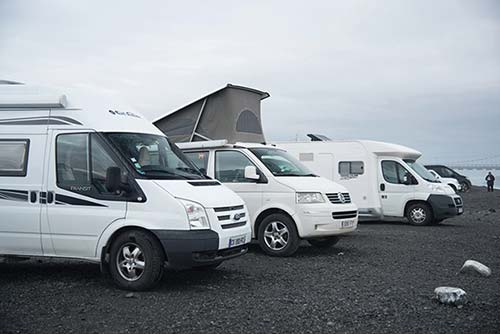
Arrange your rental period to cover only the dates when you’ll be driving around the island: Begin and end your trip in the Reykjavík area—using public transportation or a rental car and sleeping in a regular bed—then pick up the camper from the Reykjavík suburbs.
Where to Camp: The Wild West days of camping in any semipublic lot in Iceland are basically over. You’ll see signs at scenic spots specifically prohibiting camping, and for the most part you can only set up in organized campgrounds. While reservations are always smart, you can generally wing it—as long as you arrive by 15:00 in most places. If you get in a bind, you’re allowed to camp in an unauthorized place every once in a while (preferably a parking spot or a service site), but don’t take advantage (in national parks, the rule states that the next campground has to be at least 5 km away and in the Highlands, 25 km away).
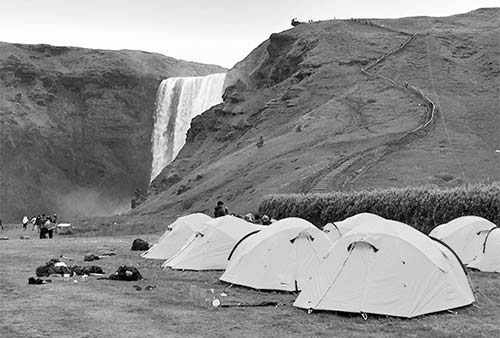
You’ll find inexpensive campgrounds (tjaldsvæði) all around the island. Most don’t require reservations and are open from about mid-May to mid-September. For an unofficial list, visit https://tjalda.is. A 28-day pass that covers most campgrounds is sold at www.campingcard.is. As for showering, that’s what Iceland’s municipal thermal pools are for: You’ll pay a few extra dollars per day to clean up—and luxuriate—in endless hot water (an unofficial list of pools is at www.sundlaugar.is). Or pay to use the facilities at a campground along your route.
Car Camping: Camping while driving a regular rental car has many of the same advantages as a campervan and is cheaper. If you bring your own camping gear, make sure it’s suited to Iceland’s high winds and chilly temperatures. Or rent gear in Iceland: Iceland Camping Equipment, in downtown Reykjavík at the main bus station, rents everything you might need at fair prices (Vatnsmýrarvegur 10, +354 647 0569, www.iceland-camping-equipment.com [URL inactive]).
Eating
Traditional Icelandic cuisine isn’t too far removed from its Viking Age roots—relying heavily on anything hardy enough to survive the harsh landscape (lamb, potatoes), caught in or near the sea (fish, seabirds), or sturdy enough to withstand winter storage (dried and salted fish). Today’s chefs have built on this heritage, introducing international flavors and new approaches to old-style dishes. Reykjavík offers a wide variety of dining options, from high-end New Icelandic cuisine to traditional, nose-to-tail “hardship” foods, but even in the countryside, you’re never far from a satisfying meal.
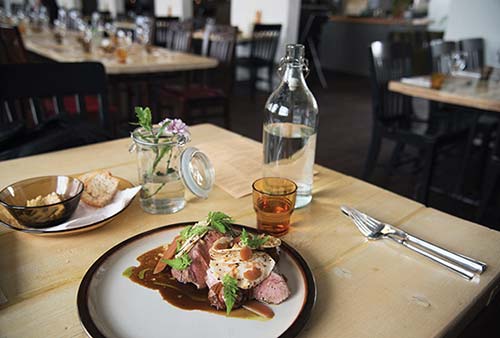
Food and drink prices in Iceland are strikingly high, but it is possible to eat well here without going broke. There’s no tipping, taxes are built into prices, and restaurants cheerfully dispense free tap water, making eating out more reasonable than the menu prices might initially suggest.
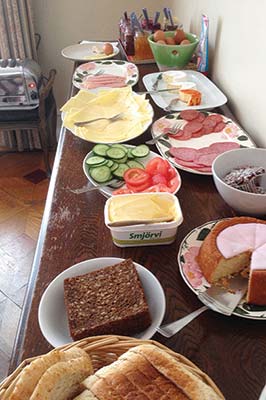
Icelanders eat three meals a day at about the same times as Americans. Breakfast (morgunmatur) in homes tends to be oatmeal, cereal with milk, or bread and cheese, but hotels and guesthouses will lay out a good spread with eggs and cold cuts. Lunch (hádegismatur) is served between about 11:30 and 13:00, while dinner (kvöldmatur) usually starts at 18:00.
RESTAURANT PRICING AND HOURS
I’ve categorized my recommended eateries based on the average price of a typical main course, indicated with a dollar-sign rating (see sidebar). Obviously, expensive specialties, fine wine, appetizers, and dessert can significantly increase your final bill.
The categories also indicate the personality of a place: Budget eateries include street food, takeaway, basic cafeterias, bakeries, and soup-and-bread buffets. Moderate eateries are nice (but not fancy) sit-down restaurants, ideal for a pleasant meal with good-quality food. Many of my listings fall in this category.
Pricier eateries are a notch up, with more attention paid to the setting, presentation, and (often inventive) cuisine. Splurge eateries are dress-up-for-a-special-occasion swanky—typically with an elegant setting, polished service, and pricey and refined cuisine.
Most of my restaurant listings are open daily for lunch and dinner; I’ve noted exceptions.
RESTAURANT AND CAFÉ DINING
Not very long ago, it was unusual for Icelanders to eat outside the home or a workplace cafeteria, except on special occasions. But over the last decade or two, with the country’s increasing wealth and the influx of tourism, restaurants have become much more popular. All restaurants are smoke-free, and all restaurant staff speak English.
In Reykjavík, lunches are a particularly good value, as many places offer the same quality and similar selections for far less than at dinner. Make lunch your main meal, then have a lighter evening meal at a café. Many places offer a lunch special—typically a plate of fish, vegetables, and a starch (rice or potatoes) for 3,000-3,500 ISK.
Outside Reykjavík, the easiest lunch spots are roadside grills—often connected to a gas station and serving packaged sandwiches, soup, hamburgers, hot dogs, fries, and possibly fish-and-chips. Any decent-sized town will also have a real (if small) café, restaurant, or bakery with better food (homemade soup, sandwiches, quiches, and so on).
The best and healthiest lunch option at a small café or bakery is often an all-you-can-eat soup buffet, which includes unlimited bread and butter, and usually little bowls of ersatz pesto and tapenade, for about 2,000 ISK. Look for thick, homemade soups (such as lamb soup, kjötsúpa).
Paying: Icelandic restaurants are often very flexible about splitting the bill between several guests, and servers will ask each person to recall what they ate and drank. There is no tipping at Icelandic restaurants, and credit cards are accepted everywhere. It’s common even at quite respectable restaurants to order and pay at the counter and then sit down, or to stand up and pay at the counter after your meal.
ICELANDIC CUISINE
Seafood
In this island nation, you’ll see fish (fiskur) on every menu, prepared just about every way you can think of—and some ways that might not have occurred to you. Many restaurants have a fresh, delicious, and affordable “fish of the day” offering that’s always worth considering. Also look for fish-and-chips, smoked trout, fried balls o’ cod, sushi, and hearty fish stew.
A common dish is plokkfiskur (mashed fish), traditionally made with whatever fish scraps were at hand. Today this fish gratin or hash is made from haddock or cod cooked with milk, butter, and chopped potatoes, and sometimes flavored with a pinch of curry; it’s a comfort food, sometimes topped with cheese and often eaten with sweet rye bread.
Deboned fish filets are the mainstay of the Icelandic diet. Haddock (ýsa) is by far the most common, followed by cod (þorskur) and plaice (rauðspretta). You’ll also see more expensive salmon (lax) and arctic char (bleikja), both of which are farm-raised in pens. You’ll sometimes see cod cheeks (gellur), and Icelanders eat the roe (eggs) of both cod and lumpfish. Lately, Icelanders have started to make fish chips, which look a bit like potato chips but are much more expensive.
One favorite Icelandic splurge is humar, which is typically translated on menus as “lobster” but is actually a 10-inch-long crustacean that’s somewhere between a prawn and a crayfish (a more precise name is langoustine, Norway lobster, or—in Britain—scampi). Humar is expensive and considered a delicacy; it’s often made into soup, but you can pay royally to enjoy it baked or sautéed in butter and garlic. Tiny precooked and peeled Greenland shrimp (rækjur) are often added to sauces.
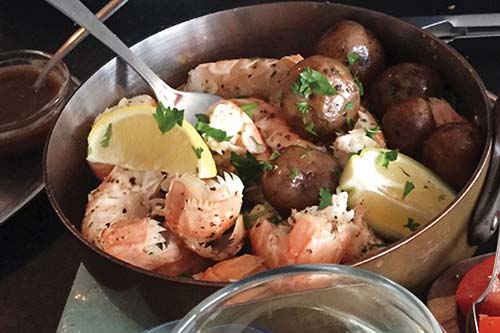
Icelandic Whitefish
Most commonly, you’ll see whitefish on Icelandic menus. These are all quite similar on the plate and differ more in texture than in taste. They are all mild in flavor and can be steamed, pan-fried, or deep-fried.
Karfi: Atlantic redfish, also known as ocean perch
Keila: Cusk, distantly related to cod
Langa or blálanga: Ling, a long, slim whitefish
Lúða: Halibut, a large fish that’s not widely eaten in Iceland (because it’s expensive and high in contaminants)
Rauðspretta: Plaice, a small, very thin flatfish like flounder or sole, usually breaded
Skötuselur: Monkfish or anglerfish; only the firm-textured tail is eaten (and can substitute for lobster)
Steinbítur: Wolffish, also known as ocean catfish or Atlantic catfish (but very different from the catfish of the American South)
Þorskur: Cod; when preserved in salt, then rinsed, it’s called saltfiskur (this changes the taste and texture)
Ufsi: Pollock, related to haddock and cod and often fried
Ýsa: Haddock, the everyday fish in Icelandic homes
More Icelandic Fish
Grásleppa: Lumpfish, small and, yes, lump-like; its eggs are dyed red and black, and widely sold in Iceland as kavíar
Makríll: Mackerel, often smoked or canned
Síld: Herring, generally pickled and eaten with bread
Silungur: Trout, farm-raised and often smoked
Meat (Kjöt)
Don’t miss the chance to try the excellent Icelandic lamb (lambakjöt). Icelandic sheep range free, grazing on wild grass, resulting in a lean and tender meat. You’ll find leg of lamb, rack of lamb, and other top-notch preparations on menus. Kjötsúpa (“meat soup”), an Icelandic staple made with chunks of lamb and root vegetables, is a traditional lamb preparation that warms you on cold days. Hangikjöt, smoked lamb, may be served warm or cold. Svið, an acquired taste, is a sheep’s head that’s been split down the middle; you eat the cheeks and, if you like, the eye and tongue.
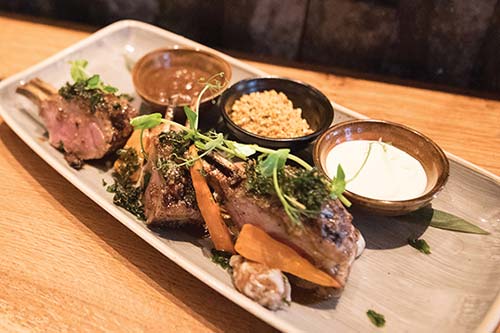
Icelanders traditionally ate only modest amounts of beef (nautakjöt), and almost no chicken (kjúklingur) or pork (svínakjöt)—but today the latter two make up more than half of local meat consumption.
Thanks to the Danes, hot dogs (pylsur) became a common snack in Iceland in the 20th century. Unlike the average American frankfurter, some Icelandic hot dogs contain lamb in addition to beef and pork—but you probably won’t taste the difference. You’ll find hot dogs sold at gas station grills and at stands around town, often near swimming pools and in shopping malls. Wieners come in a bun with your choice of condiments (mustard, ketchup, mayonnaise-based remoulade, chopped raw onions, and crispy fried onions are popular). Some places smear a little potato salad inside the bun before inserting the weenie. To keep things simple, ask for “one with everything” (eina með öllu). At about 700-900 ISK, this makes for a good fill-me-up on the go.
Whale, Puffin, and Other Novelty Meats
You may see nonendangered minke whale meat marketed to tourists as a special experience, but with the freeze on commercial whaling in Iceland’s waters, it’s becoming less common on menus, and may soon be entirely eliminated (see the “Whaling in Iceland” sidebar, here).
A few restaurants offer relatively expensive seabird dishes. You’ll be eating a member of the auk family (svartfugl)—more likely a guillemot or murre than a puffin, as Iceland’s puffin populations are currently low. These birds are netted on seaside cliffs at certain times of year.
Iceland’s reindeer population, introduced from Sweden in the 1700s, isn’t large enough to support a commercial market. But you may occasionally see it on the menu of a restaurant with a private source.
Hardship Meats (Þorramatur)
In deep winter, when food supplies ran low on the farm, Icelanders traditionally reached down to the bottom of the barrel and ate the least appetizing parts of their livestock, which they had preserved in sour whey. In the 20th century, nostalgic urban Icelanders started the custom of serving these dubious delicacies at parties and buffets in January and February. They’re known as þorramatur, after the Old Norse winter month of þorri.
The most commonly served dishes are pressed ram’s testicles (hrútspungar), which actually aren’t bad; liver and blood sausage (lifrapylsa, blóðmör, and slátur), somewhat similar to Scottish haggis; sheep’s head; and fermented Greenland shark, cut up into smelly little cubes known as hákarl or “rotten shark.” For more on this dish—which, like many strange foods, makes a lot more sense once you understand its history—see the sidebar.
Dairy Products
Protectionist policies make imported cheeses very expensive, and (perhaps because of the lack of competition) Icelandic cheese (ostur) is generally bland and undistinguished. The most flavorful hard cheeses are Óðals Tindur and Óðalsostur. Like other Scandinavians, Icelanders enjoy brown “cheeses” that are made from boiled-down, slightly sweetened whey. The soft, spreadable version, called mysingur, is much more popular in Iceland than the hard mysuostur version. Rice pudding (grjónagrautur) with cinnamon is a comfort food and common snack.
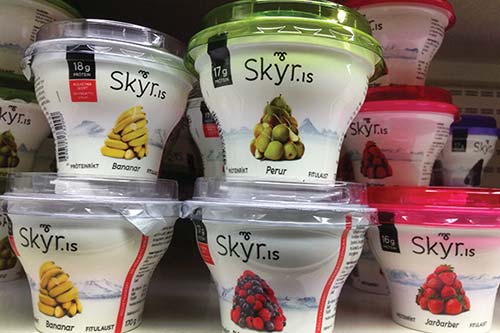
Icelanders eat yogurts and other curdled milk products in endless varieties (plain, sweetened, low-fat, high-fat, sold with folding plastic spoons and caps full of muesli, and so on). As well as regular milk (mjólk), try thicker, fermented súrmjólk or AB-mjólk on your cereal. Of the sweetened, flavored yogurts, the richest is called þykkmjólk (a real treat); a close second are the flavors sold as Húsavíkur jógúrt.
At the other end of the spectrum—and an Icelandic staple—is skyr (“skeer”), a plain, no-fat product made from skim milk that’s similar to Greek yogurt sold in the US. Though you’ll hear skyr hailed as a magical low-fat discovery, Icelanders have long agreed that skyr tastes best mixed with cream and fruit. It’s also good baked into cheesecakes.
Mysa is whey—the acidic liquid leftover from the cheese- or skyr-making process. Sold in cartons in the supermarket, it’s become trendy as a probiotic beverage (think kombucha). The taste is a mix of sweet and sour.
Fruits and Vegetables
Icelanders have traditionally collected the wild, edible lichen called fjallagras (mountain grass) to add to breads and soups, and to brew into tea. The only fruits that grow easily in Iceland are berries—especially blueberries (bláber), crowberries (krækiber), and currants (rifsber). Potatoes do well here, as do turnips (the main starchy root vegetable before potatoes arrived from the New World). Then there’s rhubarb, often used in baking and jam.
Today, Icelanders also grow a range of vegetables—tomatoes, bell peppers, cucumbers, mushrooms—in massive, geothermally heated greenhouses. But even with the cheap energy here, these are usually more expensive than imported equivalents.
Breads and Baked Goods
Most grain won’t grow here, so all grains (except barley) are imported. Since rye was once the cheapest grain to buy, and lacking much wood or fuel, Icelanders learned to bake rye bread in makeshift ovens dug in hot spots in the ground, near geothermal springs. Today this dense, dark brown bread, called rúgbrauð, is made with a little barley malt or other sugar, and baked slowly at a low temperature. Slightly sweet and gingerbread-like, it’s often served with plokkfiskur (fish gratin), topped with smoked fish, or just butter. Another traditional rye bread, flatbrauð, is an unleavened, flat circle baked in a pan; it resembles a soft tortilla. It’s typically buttered and topped with sliced smoked lamb.
The island’s bakeries make several characteristic wheat-based pastries, many with Danish origins. Vínarbrauð (like a danish), sold at bakeries in long, wide strips, is usually filled with jam and topped with a stripe of sugary glaze. Kleinur are knots of deep-fried dough; sold fresh, singly, in bakeries, or in bags in the supermarket, they go well with a cup of coffee. Ástarpungar (“love balls”)—round, dense, fried pastries with raisins—are similar. Another Icelandic classic is hjónabandssæla (“happy marriage cake” or “marriage bliss cake”), a crumbly oat bar or tart filled with rhubarb jam.
A relic from earlier times is laufabrauð (“leafbread”), paper-thin circles of wheat-flour dough, which Icelanders, in the weeks before Christmas, inscribe with patterns and fry (traditionally in sheep tallow, these days more often in oil). You’ll see round containers of factory-made laufabrauð on sale in supermarkets in December.
Sweets
Chocolate-covered licorice is the signature Icelandic candy (Eitt Sett is the most famous brand). Supermarkets sell dozens of varieties on this theme, such as Draumur (“Dream”) candy bars and bags of olive-shaped Kúlu-súkk—the name is a play on the words for ball (kúla), chocolate (súkkulaði), and the Greenlandic town of Kulusuk. By European standards, Icelandic licorice is very tame, with little salt and a mild flavor. Some like fylltar reimar, hollow ropes of licorice stuffed with a sugary filling. Iceland’s thriving candy industry (the islanders are still making up for centuries of deprivation) also cranks out lots of licorice-free sweets and chocolates, such as the inexpensive Hraun (Lava) bars, whose rocky surface resembles a lava field.
Like other Nordic people, Icelanders prefer soft-serve ice cream. When you order your cone, prepare to say whether, for a few extra krónur, you’d like it með dýfu (dipped into a chocolate sauce that hardens), með kurli (rolled in little chocolate beads), or both. At better ice-cream shops, a bragðarefur (literally “flavor fox”; sometimes referred to as þeytingur on menus) is soft ice cream blended with your choice of chocolate chunks, crushed candy bars, nuts, or other goodies (basically like a gigantic McFlurry). Ask for two spoons.
INTERNATIONAL CUISINES
Perhaps because so much of the country’s food is imported (and many native dishes are so unpalatable), Icelanders are very open to other cooking traditions. A wave of Thai, Vietnamese, and Filipino immigrants came to the country in the 1980s, and now you can buy coconut milk, tofu, and fish sauce at supermarkets. Icelanders love pizza (though Italians here are few), and the American military presence has left behind a taste for Cheerios and Doritos. And in the last couple of decades, Polish immigrants have opened a couple of good supermarkets and started to produce fine sausage.
SUPERMARKETS AND OTHER CHEAP EATS
Travelers can save money, especially at dinnertime, by assembling a picnic at one of Iceland’s supermarkets. The discount supermarket chains Bónus, Krónan, and Nettó are the names to know. Hagkaup and Kjörbúðin are more expensive, but carry a wider range, and some Reykjavík branches are open daily 24 hours. Steer clear of the extremely high-priced 10-11 convenience stores.
Hagkaup and other larger supermarkets sometimes have a hot-food counter with grilled chickens or roasted meats sold by weight. Supermarkets also sell prepared sandwiches, soft cheeses, shrimp and tuna salads that can be spread on bread, and plenty of cold cuts.
Other than Subway, KFC, and Domino’s, major fast-food franchises have only a slight presence in Iceland. (That means no McDonald’s...and no Starbucks. You’ll survive.)
BEVERAGES
Water, Coffee, and Other Nonalcoholic Drinks
Restaurants dispense the country’s excellent tap water (vatn) for free, sometimes from a help-yourself table with pitchers and a stack of glasses. You may get a whiff of sulfur from Iceland’s water, but it’s perfectly safe to drink and some of the cleanest drinking water you’ll find anywhere. Buying bottled water is a waste of money (and plastic—Icelanders are very big on going green), but if you want your water with bubbles, look for kolsýrt (carbonated) vatn or sódavatn. Blueberry is the country’s only native juice (safi or djús), an expensive delicacy produced in small quantities in the fall.
Icelanders are among the world’s biggest coffee (kaffi) drinkers. (Blame the dark, cold winters.) Many cafés and restaurants offer free refills. For other hot beverages, look for tea (te) or hot chocolate (heitt súkkulaði or kakó).
Icelanders love malt soda (malt), a sweetened and carbonated beverage made from yeast, malt, and hops just like beer, but with little or no fermentation. Egils Maltextrakt is the best-loved brand. Though thought of as nonalcoholic, Icelandic malt reportedly contains about 1 percent alcohol, which is not mentioned on the label. That means you’d need to drink practically a six-pack of malt to get the effect of one beer. At Christmastime, Icelanders like to mix malt fifty-fifty with orange soda to make what they call jólaöl (Yule ale).
Wine, Beer, and Spirits
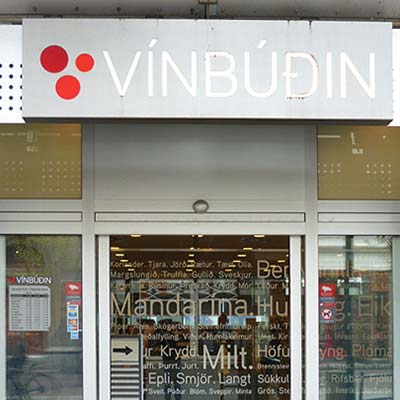
All wine (léttvín) in Iceland is imported. Light beer (bjór; 2.25 percent alcohol) is sold in supermarkets, but for anything stronger you’ll need a state-run Vínbúðin store (or a bar or restaurant). Prices are high, especially for wine and spirits. If you plan to seriously imbibe during your visit, make a point of stopping at the airport duty-free store on your way into the country (before you retrieve your luggage). Airport prices are 20-50 percent lower than in Reykjavík, and the limit is generous. (To plan your purchases and check current allowances, see www.dutyfree.is.)
In recent years, many small craft breweries have sprung up in Iceland, offering interesting alternatives to the major Scandinavian and local beer brands like Tuborg and Viking. There’s even a holiday dedicated to beer—Beer Day, on March 1, marks the 1989 end of the country’s 74-year prohibition of beer.
The local hard liquor industry has also diversified, and produces a range of vodka, gin, and even local single-malt whiskey. You’ll also see liqueurs made with local berries. Björk is a liqueur flavored with birch and even comes with a birch twig in the bottle. The most traditional strong spirit, called brennivín (and marketed as “Black Death”—you’ve been warned!) is aquavit, made from fermented potatoes and flavored with caraway, which grows wild in Iceland.
Pretty much all Icelanders speak English comfortably, although usually not with the accent-less fluency. Locals will visibly brighten when you know and use key Icelandic phrases such as takk (thanks) and skál (cheers; for more, see the “Icelandic Survival Phrases” on here). Don’t try too hard, though; many of the tourism employees you’ll encounter are immigrants who don’t speak much Icelandic either.
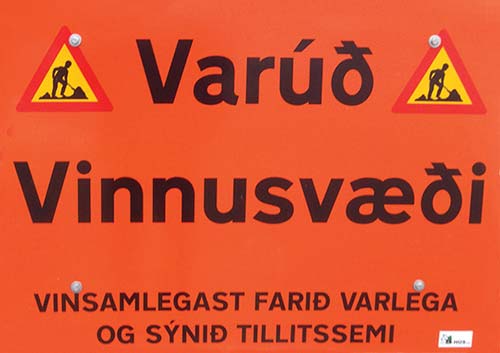
If you know Norwegian, Danish, or Swedish, you’ll be able to pick out some words on signs and menus, but Icelandic vocabulary and grammar are different enough that the Scandinavian languages aren’t of much practical help. A thousand years ago, Old Norse was the common tongue from Greenland to the Baltic, before evolving into Norwegian, Danish, Swedish, and so on. In the Middle Ages, the residents of those countries borrowed many words from one another (and their Germanic trading partners), and their grammar and sound patterns changed. But isolated Icelandic changed far less over the centuries. Modern Icelanders can learn to read the Old Icelandic sagas—recorded in the 13th and 14th centuries—with only a little more difficulty than English speakers learning to read Shakespearean English.
The hardest thing about modern Icelandic is the pronunciation. Several Icelandic sounds are rare in the world’s languages. Among these are the voiceless versions of l, r, and n, often spelled hl, hr, and hn. To make these sounds, put your tongue in position, then breathe out. Another unusual sound is a sort of breathy h that Icelanders make before the double consonants pp, tt, and kk (stoppa, “to stop,” sounds like stohpa). Then there’s the Icelandic ll, which is usually pronounced tl. Yet another quirk: You’ll often hear Icelanders say “yes” (já) while breathing in, instead of breathing out. It sounds like a little gasp. (Try it yourself.)
Several common sounds are absent from Icelandic, notably those spelled sh, ch, zh, j, and z in English (they pronounce Cheerios “Sirius”). And a few exotic consonant clusters can create confusion: fl and fn are pronounced like pl and pn (so Keflavík comes out sounding like “Keplavík”). But pt sounds like ft, and kt like cht (with the ch of “loch”), so the Icelandic names for the ninth and tenth months of the year sound like “Seftember” and “Ochtober.” After a consonant at the end of a word, l and n turn into the sounds written hl and hn, so the n in the word vatn (water) sounds almost silent to foreign ears.
Like the other Scandinavian languages, Icelandic tacks the definite article onto the end of a word: It comes in several forms, including -inn, -in, and -ið, all of which mean “the.” So hús means “house,” and húsið means “the house.”
As in some other European languages, Icelandic has no real equivalent for “please.” The word vinsamlegast, meaning “most kindly” (as in “Kindly take off your shoes”), comes closest and is used to introduce politely expressed commands or rules.
Abstract and technical words, which in other languages tend to take an international form, are often unrecognizable in Icelandic. That’s because 20th-century Icelanders put a lot of effort into creating Old Norse-based words for new inventions: Today, all Icelanders call a telephone sími, a radio útvarp, and a computer tölva. But Icelanders completely rejected the invented word flatbaka in favor of the word pítsa—which, heresy of heresies, they tend to spell pizza.
If you’d like to try tackling Icelandic pronunciation, the list below shows the most common sounds. The stress is always on a word’s first syllable, although longer words may have a secondary stress. For a breezy, humorous introduction to the language, pick up Alda Sigmundsdóttir’s Little Book of Icelandic.
| Letter | Sounds like: |
| Þ/þ | unvoiced th, like “breath”; the letter is called thorn |
| Ð/ð | voiced th, like “breathe”; the letter is called eth |
| hl, hr, hn | unvoiced versions of l, r, n (blow the sound out) |
| j | y in you |
| hj | h in hue |
| hv | kv in kvetch |
| ll | tl in butler |
| á | ow in how |
| é | ye in yet |
| í, ý | ee in seen |
| ó | oa in road |
| ú | oo in soon |
| a | a in father |
| e | e in set |
| i, y | i in sit |
| o | o in not |
| u | the German ü (“oo” with pursed lips) |
| ö | the German ö (“oh” with pursed lips) |
| au | ö followed by i |
| ei, ey | ay in may |
| æ | ie in pie |
Staying Connected
A mobile device is an indispensable tool for efficient travel. Fortunately, staying connected in Europe gets less complicated (and less expensive) each year. You can use your devices much like you do at home, by either getting an international plan or connecting to free Wi-Fi whenever possible. Another option is to buy a European SIM card for your mobile phone. More details are at RickSteves.com/phoning.
USING YOUR PHONE IN ICELAND
Here are some budget tips and options.
Sign up for an international plan. To stay connected at a lower cost, sign up for an international service plan through your carrier. Most providers offer a simple bundle that includes calling, messaging, and data. Your normal plan may already include international coverage (for example, T-Mobile’s covers unlimited text and low-speed data, plus reasonable per-minute voice calls).
Use free Wi-Fi whenever possible. Unless you have an unlimited-data plan, save most of your online tasks for Wi-Fi. Most accommodations offer free Wi-Fi, and many cafés offer hotspots for customers—ask for the password when you buy something. You may also find Wi-Fi at TIs, major museums, public transit hubs, airports, and aboard some buses.
Minimize the use of your cellular network. The best way to make sure you’re not accidentally burning through data is to put your device in “airplane” mode (which also disables phone calls and texts) and connect to Wi-Fi as needed. Turn on your cellular network (or turn off airplane mode) only when you can’t find Wi-Fi.
Save large-data tasks for Wi-Fi. If your included data is slow or metered, wait until you’re on Wi-Fi to Skype or FaceTime, download apps, stream videos, or do other megabyte-greedy tasks. Using a navigation app such as Google Maps over a cellular network can require lots of data, so download maps when you’re on Wi-Fi, then use the app offline.
Limit automatic updates. By default, your device constantly checks for a data connection and updates app content. Check your device’s settings menu for ways to turn this off.
Here’s how to dial from anywhere in the US or Europe, using the phone number of one of my recommended Reykjavík hotels as an example (514 6000). If a number starts with 0, drop it when dialing internationally (except when calling Italy).
Phone numbers in this book are presented exactly as you would dial them from a US mobile phone. For international access, press and hold 0 (zero) key to get a + sign, then dial the country code (354 for Iceland) and phone number.
 To call the Reykjavík hotel from any location, dial +354 514 6000.
Replace + with 011 (US/Canada access code), then dial the country code (354 for Iceland) and phone number.
To call the Reykjavík hotel from your home landline, dial 011 354 514 6000.
Replace + with 00 (Europe access code), then dial the country code (354 for Iceland, 1 for the US) and phone number.
To call the Reykjavík hotel from a Danish landline, dial 00 354 514 6000.
To call my US office from an Icelandic landline, dial 00 1 425 771 8303.
To place a domestic call (from an Icelandic landline or mobile), drop +354 and dial the phone number.
To call the Reykjavík hotel from Akureyri, dial 514 6000.
Local Numbers: European phone numbers and area codes can vary in length and spacing, even within the same country. Mobile phones use separate prefixes (for instance, in Iceland, landlines begin with 4 or 5, and mobile numbers begin with 6, 7, or 8).
Toll and Toll-Free Calls: It’s generally not possible to dial European toll or toll-free numbers from a US mobile or landline (although you can sometimes get through using Skype). Look for a direct-dial number instead.
Calling the US from a US Mobile Phone, While Abroad: Dial +1, area code, and number.
More Phoning Help: See HowToCallAbroad.com.
Use Wi-Fi calling and messaging apps. Skype, FaceTime, and Google Meet are great for making free or low-cost calls or sending texts over Wi-Fi worldwide. WhatsApp is especially popular with Europeans, and is often the easiest way to communicate with guides, drivers, or other local contacts.
Buy an Icelandic SIM card. If your carrier doesn’t cover international data or you don’t have a data plan for your trip, consider getting an Icelandic SIM card to replace the one in your (unlocked) device. They’re sold at Keflavík Airport and in Reykjavík at phone-company stores (look for Síminn or Vodafone). Some newer devices may also allow you to download an eSIM from an international provider.
Damage Control for Lost Phones: Losing your phone can be a significant inconvenience. Before you leave home, make sure your device is set up for automatic cloud backups, and enable the “find my phone” feature (make sure you have access to it from another device, like your travel partner’s phone or a laptop). Familiarize yourself with your phone’s “lost and lock” mode, which you should enable from another device if it goes missing. Report the loss to your mobile carrier; if your phone remains lost, use the “wipe” feature to erase its data.
For details on sending packages to your own home or to others, visit www.cbp.gov, then select “Travel” and “Know Before You Go.” The Icelandic postal service works fine, but for quick transatlantic delivery (in either direction), consider services such as DHL (www.dhl.com).
Transportation
Your options for linking destinations in Iceland are tourist-oriented excursion buses, unguided do-it-yourself excursion buses, public buses, rental cars, and short-hop flights. (Iceland has no rail system.)
If you’re staying in Reykjavík and plan only a few brief forays outside the city, you can get by without a car. But most visitors find that renting a car gives them maximum flexibility for getting out into the Icelandic countryside. You won’t find convenient public transportation options for reaching some sights (including the biggies—the Golden Circle and South Coast); instead you’ll likely need to rely on pricey excursions. For this reason, renting a car can be more cost-effective than it initially seems.
For an overview of transportation options in Iceland, see PublicTransport.is, with helpful maps and info for scheduled tourist and public buses, passenger boats, ferries, and domestic flights. VisitIceland.com/getting-around is another good resource. For general information on transportation throughout Europe, see RickSteves.com/transportation.
EXCURSION BUSES
Guided Excursion Buses
You can select from a full menu of guided bus tours to get into the countryside. You’re paying a premium for a guide and a carefully designed experience, but these excursions take the guesswork out of your trip. For more on this option, see the Beyond Reykjavík chapter.
Do-It-Yourself Excursion Buses
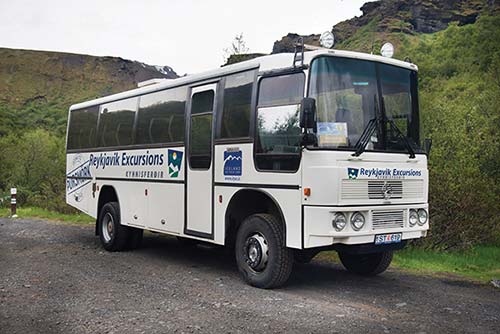
In summer months (June through September), several private companies offer direct, regularly scheduled bus transport to popular outdoor destinations, especially spots off the Ring Road and in the interior, such as Þórsmörk and Landmannalaugar. These high-clearance buses, with big tires that can cope with rocky roads and a bumpy ride, are intended to get hikers and campers to trailheads in remote locations, but anyone can use them to reach some of Iceland’s most spectacular sights.
For example, you can leave Reykjavík early in the morning, spend a couple of midday hours taking a short hike in Þórsmörk or Landmannalaugar, and return to the city for a late dinner; you could also overnight in a tent or cabin and get picked up the next day. These buses can also come in handy for day-tripping from Akureyri to Dettifoss, or from Skaftafell to the Lakagígar craters.
Companies to consider include Reykjavík Excursions (www.re.is/highland-bus), Iceland By Bus (www.icelandbybus.is), and Trex (www.trex.is). Confirm your departure location in Reykjavík; there may be several options. Note that several of these companies also offer guided trips to some of the same destinations.
PUBLIC BUSES
Iceland has a good country-wide network of scheduled public buses (painted yellow and blue) called Strætó, run as a single system by city and local governments (www.straeto.is).
Although the Strætó network is geared more to locals than visitors, those traveling from one town to another, such as from Reykjavík to Selfoss or Akureyri, might find it useful. Ticket prices depend on the length of the journey (designated as fare zones); you can pay for these rural buses on board with a credit or debit card. For details on taking Strætó long-distance buses from Reykjavík, see the end of the Reykjavík chapter.
RENTING A CAR
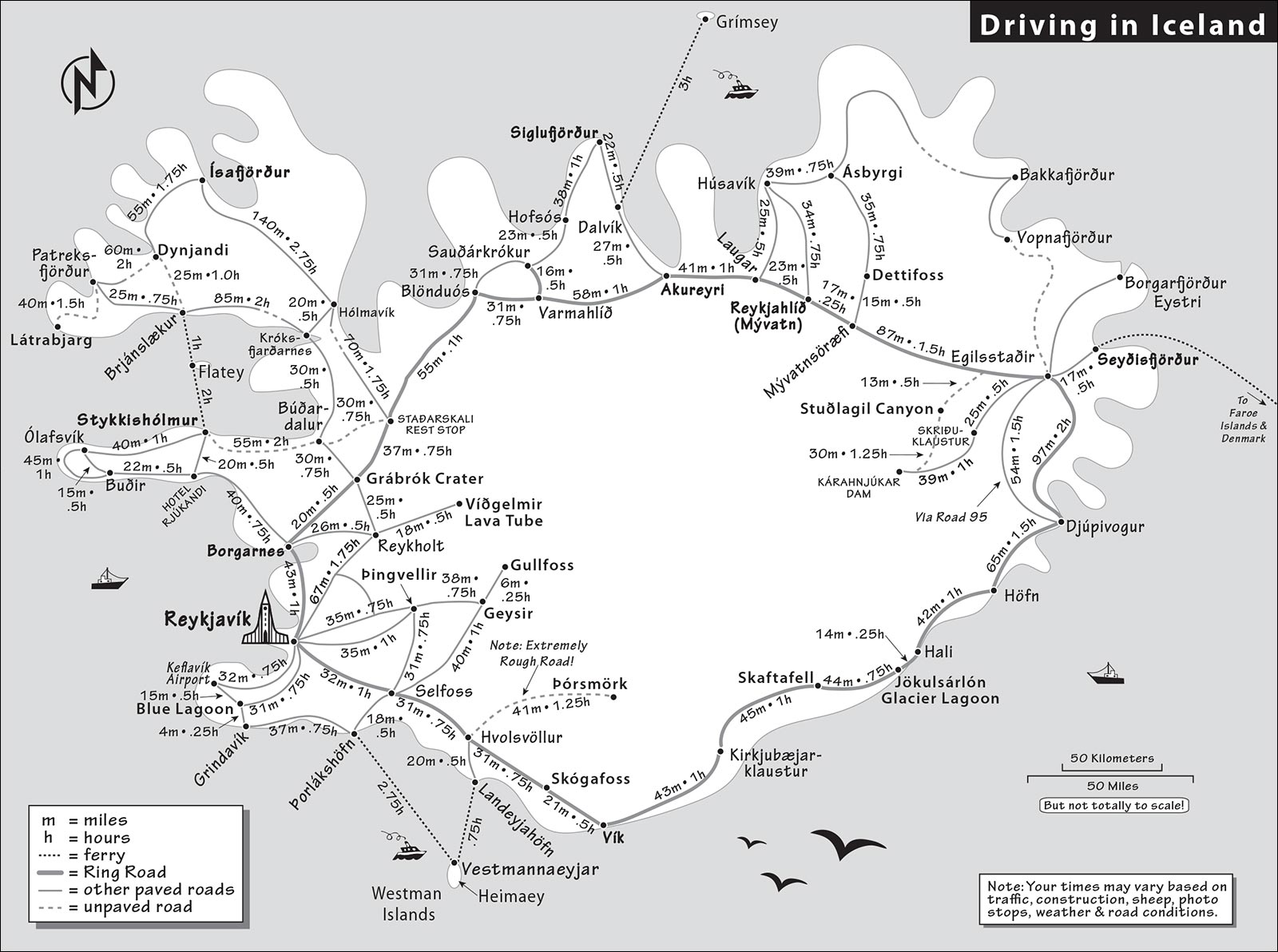
Car rental makes a lot of sense in Iceland. Two people splitting the cost of a rental car and gas will enjoy the flexibility of stopping whenever and wherever they want. Even solo drivers may find a car is worth it. Driving is easy here, signage is good, and TIs have good area maps. The hardest part is navigating the roundabouts of suburban Reykjavík, but even that is a breeze once you’ve had a little experience. Once out in the countryside, traffic is extremely light. The Ring Road is practically made for road trips with friends. (For a Ring Road trip, also consider a campervan rental—see here.)
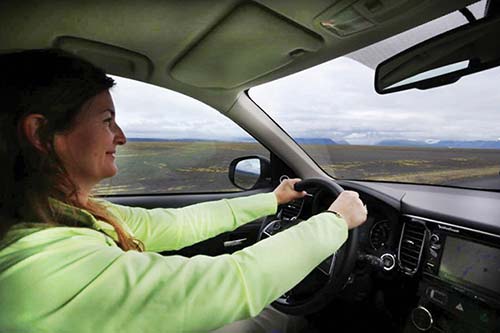
It’s cheaper to arrange most car rentals from the US, so research and compare rates before you go. Most of the major US rental agencies (including Avis, Budget, Enterprise, Hertz, and Thrifty) have offices in Iceland. Also consider the two major Europe-based agencies, Europcar and Sixt. Iceland’s smaller, homegrown rental agencies may offer cheaper vehicles (beware that some of these cars are real clunkers—read carefully before booking). Consolidators such as Auto Europe (www.autoeurope.com, or the sometimes cheaper www.autoeurope.eu) compares rates at several companies to get you the best deal.
Wherever you book, always read the fine print. Check for add-on charges—such as one-way drop-off fees, airport surcharges, or mandatory insurance policies—that aren’t included in the quoted price.
Rental Costs and Considerations
Rental cars in Iceland are expensive: If you book well in advance, expect to pay roughly $750-1,000 for a one-week rental for a basic compact car. Allow extra for supplemental insurance, fuel, tolls, and parking.
Manual vs. Automatic: Cars with manual transmission are more common in Europe and generally cheaper than automatic. If you need an automatic, it’s wise to book well in advance.
Age Restrictions: Some rental companies impose minimum and maximum age limits. Young drivers (25 and under) and seniors (69 and up) should check the rental policies and rules section of car-rental websites.
Choosing Pick-up/Drop-off Locations: Always check the hours of the locations you choose. With the exception of Keflavík Airport and Reykjavík locations, many rental offices have shorter hours and are closed on the weekend. When selecting an office, confirm the location on a map. A downtown site might seem more convenient than the airport but could actually be in the suburbs. Wherever you select, get precise details on the location and allow ample time to find it.
It’s possible to pick up in Reykjavík and drop off at the airport (or vice-versa); this is considered a one-way rental, with a small extra charge (but often less than the airport bus fare). Car rental in Akureyri and some smaller towns is also available.
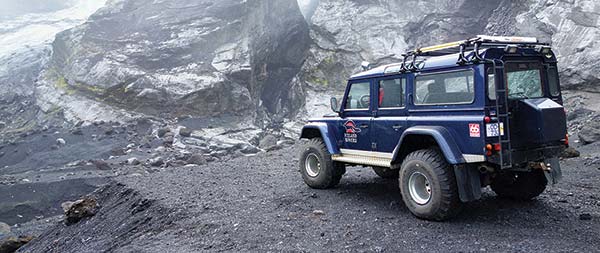
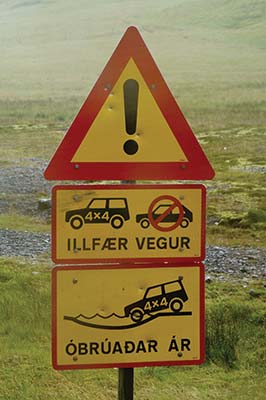
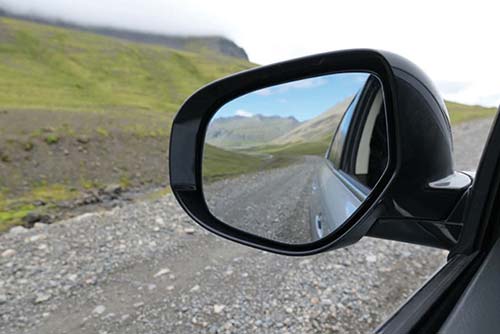
Four-Wheel vs. Two-Wheel Drive: Many tourists think of a trip to Iceland as an expedition, shelling out for a high-clearance SUV when they would do just fine with a two-wheel-drive car. You won’t need four-wheel drive for the itineraries in this book in summer, or for a quick winter stopover if you stick to Reykjavík. The one exception is the Westfjords, which has some rougher, unpaved roads (the routes I’ve described are doable in a regular car, but some may feel more comfortable with four-wheel drive). A more rugged vehicle makes sense only if you’re planning to traverse Iceland’s interior Highlands (not covered in this book), drive outside the capital area in winter, ford unbridged rivers (such as on the road to Þórsmörk), or spend lots of time on mucky, rutted dirt roads in the countryside.
Off-Limit Roads: By law, rental cars that are not four-wheel drive are not allowed on “F” roads, such as the rough roads in the interior. Highway 35 (over the Kjölur pass) and highway 550 (called Kaldidalur) are also off-limits even though they don’t have an F—this should be stated on your rental agreement.
Picking Up Your Car: Before driving off in your rental car, check it thoroughly and make sure any damage is noted on your rental agreement. Rental agencies in Europe tend to charge for even minor damage, so be sure to mark everything. Find out how your car’s gearshift, lights, turn signals, wipers, GPS, and fuel cap function, and know what kind of fuel the car takes (diesel is common in Europe). When you return the car, make sure the agent verifies its condition with you.
Car Insurance Options
When you rent a car, the price typically includes liability insurance, which covers harm to other cars or motorists—but not the rental car itself. To limit your financial risk in case of damage to the rental, choose one of these options: Buy a Collision Damage Waiver (CDW; also called “loss damage waiver” or LDW by some firms) with a low or zero deductible from the car-rental company (roughly 30-40 percent extra), get coverage through your credit card (essentially “free,” but more complicated if you need to use it), or get collision insurance as part of a larger travel-insurance policy.
Basic CDW costs $15–30 a day and typically comes with a $1,000-2,000 deductible, reducing but not eliminating your financial responsibility. When you reserve or pick up the car, you’ll be offered the chance to “buy down” the basic deductible to zero (for an additional $10-30/day; this is sometimes called “super CDW” or “zero-deductible coverage”).
If you opt for credit-card coverage, you must decline all coverage offered by the car-rental company—which means they can place a hold on your card to cover the deductible. In case of damage, it can be time-consuming to resolve the charges. Before relying on this option, quiz your credit-card company about how it works. If you’re already purchasing a travel-insurance policy for your trip, adding collision coverage can be an economical choice. Both of these options are typically valid everywhere in Europe except the Republic of Ireland and Italy.
Car-rental agencies may encourage you to spend upwards of $30/day for supplemental insurance to cover damage from sandstorms (blowing sand can ruin a car’s finish and gravel can break windows). This coverage is usually not necessary. Sandstorms are most likely to occur between Vík and Skaftafell on the Ring Road; check the forecast to see if extremely high winds are expected where you’re going. You may also be offered insurance against damage from volcanic ash. Unless there’s an active eruption, the risk from ash is very low.
For more on car-rental insurance, see RickSteves.com/cdw.
Navigation Options
If you’ll be navigating using your phone, remember to bring a car charger. Most rental cars are equipped with a USB port so you can run your phone’s GPS through the dashboard display, but it can also be smart to bring a device mount.
Your Mobile Phone: Because Iceland is well covered by high-speed cellular service, the mapping app on your phone should work just fine for navigating Iceland’s roads. To save on data, download maps for offline use (do this before you need them, when you have a strong Wi-Fi signal). Some apps—including Google Maps—provide offline route directions, but you’ll need data access for current traffic.
GPS Devices: Most cars come with a dedicated GPS unit, though it’s sometimes an add-on cost (about $15-20/day).
Paper Maps and Atlases: Even when navigating primarily with GPS, I always have a paper map, ideally a big, detailed regional road map. It’s invaluable for getting the big picture, understanding alternate routes, and filling in if my phone’s GPS stops working. The free Around Iceland booklet includes maps of each region and of small towns. You could also buy a better map of the country in advance (they’re cheaper in the US—Michelin #750 is good) or pick up a pricey one at a gas station, convenience store, or bookshop in Iceland.
Navigation Warning: Google Maps covers Iceland well, but it might occasionally send you to the wrong town if there are two of the same name. Always double check your route before you head off in the wrong direction.
DRIVING
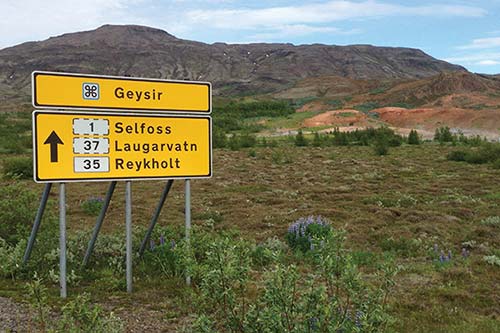
Exploring Iceland by car is a pleasure. Most of the main roads—including the entire Ring Road—are paved and (outside Reykjavík) relatively uncrowded. The country has invested heavily in its public infrastructure with more paved roads, better signage, and roadside bathrooms. But driving in Iceland does come with unique customs and hazards you should know about; the website SafeTravel.is/driving has a helpful video introducing the basics. Remember to pack sunglasses for driving: The sun stays low in the Icelandic sky all year.
Road Rules: Be aware of typical European road rules; for example, Iceland requires headlights to be on at all times and forbids handheld mobile-phone use. In Iceland, you’re not allowed to turn right on a red light unless a sign or signal specifically authorizes it. Even major highways like highway 1 are predominantly two-lane, so pass with care. Ask your car-rental company about these rules, or check the “International Travel” section at Travel.State.gov.
Speed Limits: Speed limits are by road type and often aren’t posted. Generally, the speed limit in rural Iceland is 90 km/hour (or about 55 mph) on paved roads and 80 km/hour (50 mph) on gravel roads. In towns, the limit is 50 km/hour (about 30 mph; often lower in residential neighborhoods). Speed cameras are widely used and limits are enforced with high fines. To give you a chance to slow down, cameras are always marked in advance with a blue Löggæslumyndavél sign with a camera icon. In towns, solar-powered þinn hraði (your speed) signs flash a green, happy face or a thumb’s up when you’re at or below the speed limit; a red, sad face (or thumbs down) means you’re going too fast.
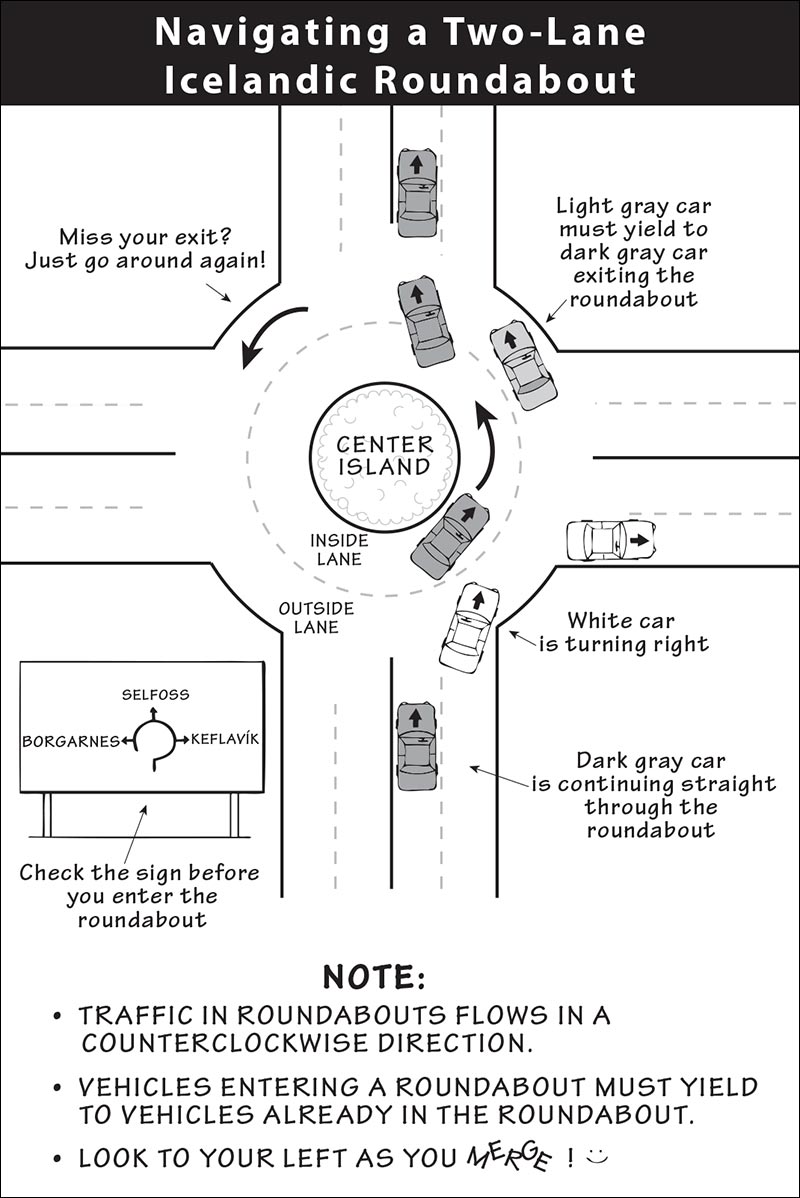
Roundabouts: The rules at double-lane traffic circles in Iceland differ slightly from those elsewhere in Europe. Here, the car in the inner lane of the circle has the right of way when exiting the roundabout. That means that cars in the outer lane that want to continue around the circle must yield to inner-lane cars that want to exit.
Here’s some good advice for double-lane roundabouts: If you’re going straight through or left, stay to the left when approaching and enter the inner lane. If you’re turning right at the roundabout, stay right and enter the outer lane, since you’ll be exiting immediately anyway. If you’re in the outer lane and don’t want to take the next exit, put on your left-turn signal to show that you’ll be continuing around. In all cases, drive defensively (keeping in mind that there may be a tourist in the outer lane who isn’t used to the local rules).
The above advice applies only to double-lane roundabouts, which you’ll find mostly in Reykjavík and larger towns. Once in the countryside, the vast majority of roundabouts are single-lane, which work the same as anywhere. Remember that at any roundabout, all cars already in the circle have priority over cars entering, in any lane.
Fuel: Gas is around $8 a gallon; diesel is a bit cheaper. Be careful to use the right fuel: Unleaded gas is called bensín and sometimes identified with the octane rating (95 okt) and has green pumps; diesel is dísel and has black pumps.
Especially in rural areas, don’t let your tank get too low. Those driving in remote areas can plan gas stops in advance: Major fuel providers N1, ÓB/Olís, and Orkan list their pump locations online.
Street Signs and Signage: Conveniently, street names in the same neighborhood in Icelandic cities and towns all end with the same element. For example, Faxaskjól, Sörlaskjól, Granaskjól, and other streets ending with “skjól” are all next to each other in Reykjavík; to find them, follow road signs reading “Skjól.”
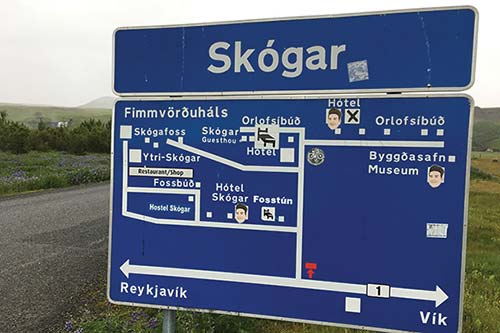
On highways, yellow signs point in the direction of the named town. The highway number is in white on the left, and the distance (in kilometers) is on the right. Red signs point to sights, which are also indicated by a loopy symbol in a blue box. Signage is less prevalent than in other European countries (though, to be fair, there are also fewer roads and turnoffs). Turnoffs can come up with very little advance warning, and signs tend to be quite small—keep your eyes peeled. Yet when you turn off onto local roads, you’ll often encounter almost comically detailed signs showing the location of every local sight and farmhouse.
Parking: Parking is free in nearly all of Iceland, with a few exceptions. You’ll pay to park in central Reykjavík and Akureyri, and at some natural sights. Many towns and sights use convenient parking apps such as Parka or EasyPark. Download the apps before your trip, then enter your rental car’s license plate and your credit-card info as soon as you pick up your car (be sure to delete the rental car from your app once you turn in the car). To use a parking station, enter your license-plate number and length of stay, then pay with a credit card. For parking specifics, see the individual chapters in this book.
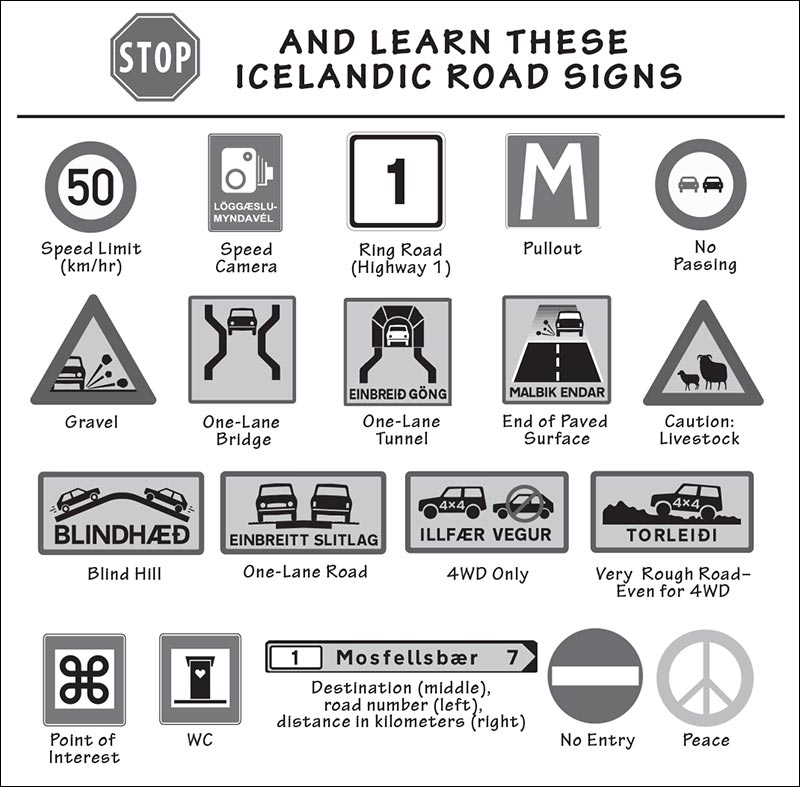
Driving Hazards
Weather and Road Conditions: Always check the weather forecast and road conditions before you drive. The road conditions and weather section of the Icelandic Road Authority (Vegagerðin) website (www.road.is) shows detailed snow, ice, and wind conditions on all the major roads. Visiting this site is a must before setting off on any car trip, even in summer.
Regional maps display temperature, wind speed, and wind direction, and let you click through to webcams and a count of cars that have passed by in the last ten minutes and since midnight (if no one else is driving a particular stretch of road, don’t let yourself be the first). To speak to a real person about road conditions, call the Icelandic Road Authority’s hotline at +354 522 1100 (daily 6:30-22:00).
Giant digital signboards with real-time information on temperature and wind conditions are set up along routes leading to mountain passes and notoriously windy spots. These can help you decide if winds are too strong or road conditions otherwise too dangerous to continue.
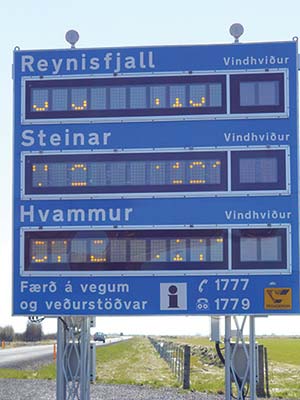
One-Lane Bridges, Tunnels, and Roads: There are more than 30 one-lane bridges on the Ring Road alone (most in the southeast), and many more on side roads. They’re announced with an Einbreið Brú sign and an easy-to-understand picture. The car that reaches the bridge first has priority, but before dashing across, slow down and make sure the other driver has judged the situation the same way.
Iceland also has several one-lane tunnels cutting beneath mountains and between fjords, and announced with an Einbreið Göng sign. As you approach the tunnel, a sign shows which direction has priority (if you have a white arrow on your side, you have the right-of-way). Passing places inside the tunnel are marked with a big letter M. If the pullout is on your side, you’re required to pull over and let oncoming traffic pass you. Sometimes you can’t see oncoming traffic; in those cases you’ll encounter either a standard red stoplight or a dual-language Stop: Bíll á Móti (Stop: Oncoming Cars) sign.
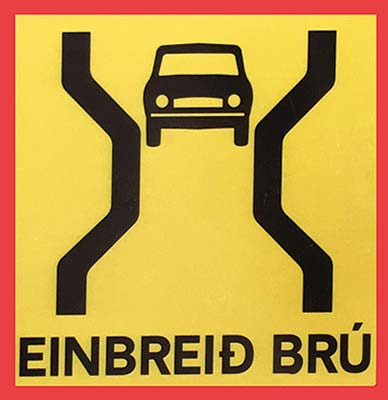
One-lane roads are marked Einbreitt Slitlag. The same rules apply: You’ll see the same M signs, indicating pullouts to allow oncoming traffic to get by.
While all this sounds a little intimidating, in practice, it’s intuitive—and traffic is light.
Blind Summits: Signs saying Blindhæð warn you that you’re about to crest a rise where you can’t see oncoming traffic (or sheep in the road). Slow down and stay to the right. Blind summits are especially common on unsurfaced roads in the countryside.
Unsurfaced Roads: In rural areas, side roads and driveways are often dirt or gravel, and you may encounter unpaved stretches on smaller highways. To see which roads in Iceland are unpaved, consult the “Road info viewer” map at Road.is (click on “Layers,” then “Names,” to show place names).
Be especially careful at the points where the pavement ends and gravel starts (marked with a Malbik endar sign) and also at joints between roads and single-lane bridges. Speed limits on unsurfaced roads (which can be pocked with deep potholes) are lower (80 km/hour—about 50 mph), and you’ll usually want to go even slower than that.
Banked, No-Shoulder Roads: Many roads in Iceland have narrow to nonexistent shoulders and are banked up above the surrounding terrain. Be vigilant for possible hazards in your lane: bicyclists, slow-moving farm equipment, tourists who stop for photos (see next), and wayward sheep. Be especially careful in icy or slippery conditions.
Photo Stops: With no shoulders and few pullouts, it’s tempting to stop in the middle of what seems like a deserted road to take a photo. Don’t. Even if it means missing a great shot, find a spot where you can pull over safely. The mouth of a farm driveway often works.
Marshy Shoulders and Fields: In the spring, poorly drained, unpaved surfaces can be marshy. If visiting isolated sites in the countryside, think twice about where to park to avoid getting stuck.
Wind: High winds occur all year and present real danger to drivers. Two notoriously windy spots are just north of Reykjavík along the Ring Road, at Kjalarnes (before the Hvalfjörður tunnel) and at Hafnarfjall (across the estuary from Borgarnes). An average sustained wind speed of 15 m/s (meters per second—that’s about 35 mph) is enough to make you tighten your grip on the steering wheel, while anything from 20 m/s (45 mph) on up can get dangerous quickly. Gusts, measured separately, can be much stronger. The effect is worse if you’re driving a long, high, or flat-sided vehicle, and slippery roads magnify the risk. In some parts of the country, high winds can damage your car by blowing sand and even gravel onto it (see “Sandstorms,” later).
If you’re caught in high winds, slow way down, keep two hands on the wheel, don’t pass, and keep an extra-safe distance from other vehicles. If things turn very bad, pull over and stop—though ideally not somewhere with loose, blowing soil. When opening and closing car doors in windy weather, especially when parked next to other cars, never let go of the door. If you can, park facing into the wind. While it may be harder to get your door open, it prevents a sudden strong gust from flinging your door open and breaking its hinges.
In addition to the Icelandic Road Authority resources described earlier, the Icelandic weather service (http://en.vedur.is) can give you a general sense of the expected wind conditions around the island.
Sandstorms (sandfok): If you stay in the southwest part of the country, there’s very little chance of sand damage to your car. There are, however, several places along the Ring Road where blowing sand is common in windy weather: along the South Coast where the road crosses the Markárfljót river, between Vík and Skaftafell, and in northeast Iceland, between Mývatn and Egilsstaðir. Avoid these stretches when high winds are forecast.
Livestock: In early summer, stay alert for free-ranging sheep on countryside roads. Typically, a ewe and her lambs will be on opposite sides of a road, and as a car approaches, the lambs will run to their mother for safety. If you hit a sheep, you are liable for damage to both your car and the sheep. If you see sheep ahead, slow to a crawl, stop if needed, and wait for them to regroup before slowly continuing on. Unsurfaced roads often have cattle grates at crossings.
Other Drivers: Aggressive driving and speeding are common in Iceland. Drive defensively and watch out for distracted or confused motorists.
Winter Driving: I don’t recommend driving outside Reykjavík and the airport area at all during the winter months (roughly Nov-March). In Reykjavík, winter snowfall tends to be fairly light, and when there is a storm, city streets are cleared fairly well. The road to the airport is also usually kept in decent shape.
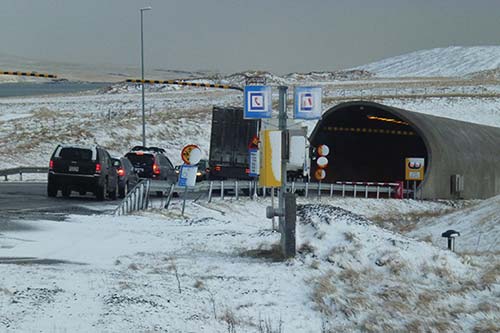
Outside the city, though, roads can be a sheet of ice for weeks at a time, especially at higher elevations (for example, on parts of the popular Golden Circle daytrip from Reykjavík). In winter, Icelanders navigate these roads only with studded tires and all-wheel drive, and that’s what you should do, too.
FLIGHTS
To compare flights, begin with an online travel search engine: Easy-to-use Google Flights is the top site for flights to and within Europe, Kayak has price alerts, and Skyscanner includes many inexpensive flights within Europe. To avoid unpleasant surprises, before you book be sure to read the small print about refunds, changes, and the costs for “extras” such as reserving a seat, checking a bag, or printing a boarding pass.
To Iceland
International visitors to Iceland almost always arrive at Keflavík Airport, southwest of Reykjavík (code: KEF, www.isavia.com).
Flying from North America to Iceland: Start looking for international flights about four to six months before your trip, especially for peak-season travel. Off-season tickets can usually be purchased a month or so in advance. Icelandair and the low-cost Play airline dominate most international flights; Delta and United have summer flights only.
Stopovers: Many people visit Iceland as a stopover on their way between North America and Europe. Icelandair’s hub-and-spoke operation makes this easy, and the extra cost is negligible (usually just a few dollars in extra taxes).
Plan your visit to minimize jet lag. Visiting Iceland on the way from the US is doable but tends to make jet lag tougher (landing in Iceland early in the morning after an overnight flight from the US, staying two or three days, then continuing on to mainland Europe on an early-morning flight). For a more relaxed stopover, visit Iceland on your way back (leave Europe on an afternoon flight to Iceland, stay for a few days, then continue to the US on a late-morning or afternoon flight).
Flying from Mainland Europe to Iceland: Especially in summer, Iceland is served by a huge range of flights from many different companies beyond Icelandair and Play airline. These include SAS, Lufthansa, and British Airways, as well as discount airlines such as Wizz Air, EasyJet, and Norwegian.
Within Iceland
Icelanders fly frequently within the country. Domestic flights are hassle-free, reasonably priced (by Icelandic standards), and a good option for tourists—especially in winter (when roads are icy) or to make the best use of limited time. Purchased in advance, the 45-minute flight from Reykjavík to Akureyri is not that much more expensive than the much-longer bus ride. The 45-minute flight to Ísafjörður offers an easy peek at the Westfjords without a six-hour drive each way. Iceland is very scenic from the air on a clear day. But note that in very windy weather, flights are delayed or canceled.
Most domestic flights leave from Reykjavík City Airport (code: RKV), just south of downtown (for details, see here).
Icelandair serves Akureyri, as well as Egilsstaðir and Ísafjörður, and the Faroe Islands and Greenland. Their terminal is on the west side of the domestic airport (city bus #15, Reykjavíkurflugvöllur stop). Service to Akureyri from Keflavík is restricted to passengers connecting to or from an international flight.
Eagle Air serves Reykjavík, Vestmannaeyjar, Höfn, and Húsavík. Their terminal is on the east side of the domestic airport, next to the Berjaya Reykjavík Natura Hotel (city bus #5, Nauthólsvegur stop).
TO ICELAND BY SEA
Smyril Line’s Norröna car ferry sails between Hirtshals in Denmark and Seyðisfjörður in eastern Iceland once a week (+298 470 2803, www.smyrilline.is), stopping at its home port of Tórshavn in the Faroe Islands en route. The trip takes 48 to 60 hours, depending on the season. In summer you can add a two- to three-day stopover in the Faroe Islands. Consider this approach: Fly from the US to Europe, sail as a one-way foot passenger on the ferry from Denmark to Iceland, rent a car for your Iceland explorations (either in Seyðisfjörður/Egilsstaðir or after flying or going by bus to Reykjavík), then fly home from Keflavík (this works fine in reverse, too).
Several cruise lines visit Iceland, often as part of North Atlantic sailings that include European and North American ports as well as Greenland, Svalbard, or the Faroe Islands.
Resources from Rick Steves
Begin your trip at RickSteves.com
My mobile-friendly website is the place to explore Europe in preparation for your trip. You’ll find thousands of fun articles, beautiful photos, videos, and radio interviews; a wealth of money-saving tips for planning your dream trip; travel news dispatches; a video library of travel talks; our latest guidebook updates (RickSteves.com/update); and the free Rick Steves Audio Europe app. You can also follow me on Facebook, Instagram, and Twitter.
Our Travel Forum is a well-groomed collection of message boards where our travel-savvy community answers questions and shares their personal travel experiences—and our well-traveled staff chimes in when they can be helpful (RickSteves.com/forums).
Our online Travel Store offers bags and accessories that I’ve designed to help you travel smarter and lighter. These include my popular carry-on bags (which I live out of four months a year), money belts, totes, toiletries kits, adapters, guidebooks, and planning maps (RickSteves.com/shop).
Rick Steves Tours, Guidebooks, TV Shows, and More
Small Group Tours: Want to travel with greater efficiency and less stress? We offer more than 40 itineraries reaching the best destinations in Europe. Each year about 30,000 travelers join us on about 1,000 Rick Steves bus tours. You’ll enjoy great guides and a fun bunch of travel partners (with small groups of 24 to 28 travelers). You’ll find European adventures to fit every vacation length. For all the details, and to book a tour, visit RickSteves.com/tours or call us at +1 425 771 8303.
Books: This book is just one of many in my series on European travel, which includes country and city guidebooks, Snapshots (excerpted chapters from bigger guides), Pocket guides (full-color little books on big cities), “Best Of” guidebooks (condensed, full-color country guides), and my budget-travel skills handbook, Rick Steves Europe Through the Back Door. A complete list of my titles—including phrase books, cruising guides, and travelogues on European art, history, and culture—appears near the end of this book.
TV Shows and Video Library: My public television series, Rick Steves’ Europe, covers Europe from top to bottom with over 100 half-hour episodes—and we’re working on new shows every year. Watch full episodes for free (RickSteves.com/tv). My free online video library, Rick Steves Classroom Europe, offers a searchable database of short video clips on European history, culture, and geography (Classroom.RickSteves.com).

Monday Night Travel Talks: To raise your travel I.Q., join our virtual travel party every Monday featuring Rick Steves guides discussing European destinations, art, culture, food, travel tips, and more. Join the live events or check out the video recordings (RickSteves.com/mnt).
Audio Tours on My Free App: I’ve produced 60 free, self-guided audio tours of the top sights in Europe. For those tours and other audio content, get my free Rick Steves Audio Europe app, an extensive online library organized by destination. For more on my app, visit RickSteves.com/audioeurope.

Radio: My weekly public radio show, Travel with Rick Steves, features interviews with travel experts from around the world. It airs on 400 public radio stations across the US. An archive of programs is available at RickSteves.com/radio.
Podcasts: You can enjoy my travel content via several free podcasts. The podcast version of my radio show brings you a weekly, hour-long travel conversation. My other podcasts include a selection of video clips from my public television show, and video recordings of my travel classes (RickSteves.com/podcasts).