ENGLAND
Welcome to Rick Steves’ Europe
Map: England’s Top Destinations
Map: England’s Best Three-Week Trip by Car
Rick’s Free Audio Tours and Video Clips
From the grandeur and bustle of London, to the pastoral countryside that inspired Wordsworth, to some of the quaintest towns you’ll ever experience, England delights. Stand in a desolate field and ponder an ancient stone circle. Strike up a conversation just to hear the King’s English. Bite into a scone smothered with clotted cream, sip a cup of tea, and wave your pinky as if it’s a Union Jack.
England, with a population of 55 million, is the center of the United Kingdom in every way: home to four out of five UK citizens, the seat of government, the economic powerhouse, the center of higher learning, and the cultural heart.
All of this is contained in a hilly land about the size of Louisiana (50,350 square miles), occupying the southern two-thirds of the isle of Britain. Scotland is to the north, the English Channel and France are to the south, and Wales is to the west. England’s highest mountain (Scafell Pike in the Lake District) is 3,206 feet, a foothill by American standards. Fed by ocean air, the climate is mild, with a chance of cloudy, rainy weather nearly any day of the year.
South England, including London, has always had more people and more money than the north. Blessed with rolling hills, wide plains, and the River Thames, in the past this region was rich with farms and its rivers flowed with trade. Then and now, high culture flourished in London, today a thriving metropolis of 10 million people.
North England is known for the country’s most beautiful landscapes. Its hilly terrain yields poor soil, so the traditional economy of the region was based on livestock (grazing cows and sheep). In the 19th century, North England was dotted with belching smokestacks as its major cities became centers for coal, iron mining, and manufacturing. Now its working- class cities and ports (such as Liverpool) are experiencing a comeback, buoyed by tourism, vibrant arts scenes, and higher employment.
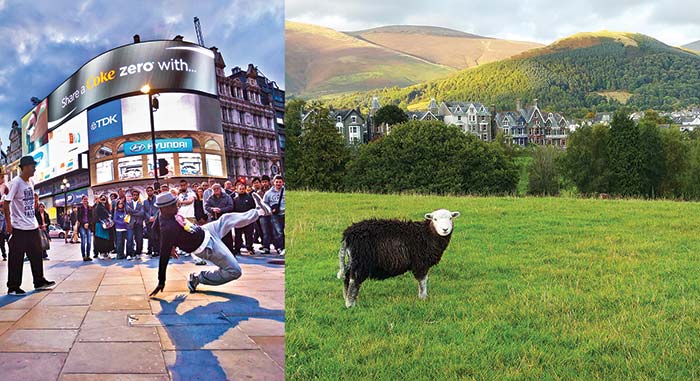
Bustling London offers nonstop entertainment, while England’s countryside provides a tranquil retreat.
England’s economy can stand alongside that of many much larger nations. It boasts high-tech industries (software, chemicals, aviation), international banking, and textile manufacturing, and is a major exporter of beef. England is an urban, industrial, and postindustrial colossus, yet its farms, villages, and people are down-to-earth.
You can trace England’s illustrious history by roaming the countryside. Prehistoric peoples built the mysterious stone circles of Stonehenge and Avebury. Then came the Romans, who built Hadrian’s Wall and the baths at Bath. Viking invaders left their mark in York, and the Normans built the Tower of London. As England Christianized and unified, the grand cathedrals of Salisbury, Wells, and Durham arose.
Next came the castles and palaces of the English monarchs (Windsor) and the Shakespeare sights from the era of Elizabeth I (Stratford-upon-Avon). In following centuries, tiny England became a maritime empire (the Cutty Sark at Greenwich) and the world’s first industrial power (Ironbridge Gorge). England’s Romantic poets were inspired by the unspoiled nature and time-passed villages of the Lake District and the Cotswolds.
In Britain, a pub is a home away from home. Spend some time in one and you’ll have your finger on the pulse of the community. These cozy hangouts are extended living rooms, where locals and travelers alike can eat, drink, get out of the rain, watch a sporting event, and meet other people.
Britain’s pubs are also national treasures, with great cultural value and rich history, not to mention good beer and grub. Crawling between classic pubs is more than a tipsy night out—it’s bona fide sightseeing. Each offers a glimpse—and a taste—of traditional British culture.
Pubs’ odd names can go back hundreds of years. Because many medieval pub-goers were illiterate, pubs were simply named for the picture hung outside (e.g., The Crooked Stick, The Queen’s Arms—meaning her coat of arms).
The golden age for pub-building was in the late Victorian era (c. 1880–1905). In this class-conscious time, pubs were divided by screens (now mostly gone), allowing the wealthy to drink in a more refined setting. Pubs were really “public houses,” featuring nooks (snugs) for groups and clubs to meet, friends and lovers to rendezvous, and families to get out of the house at night.
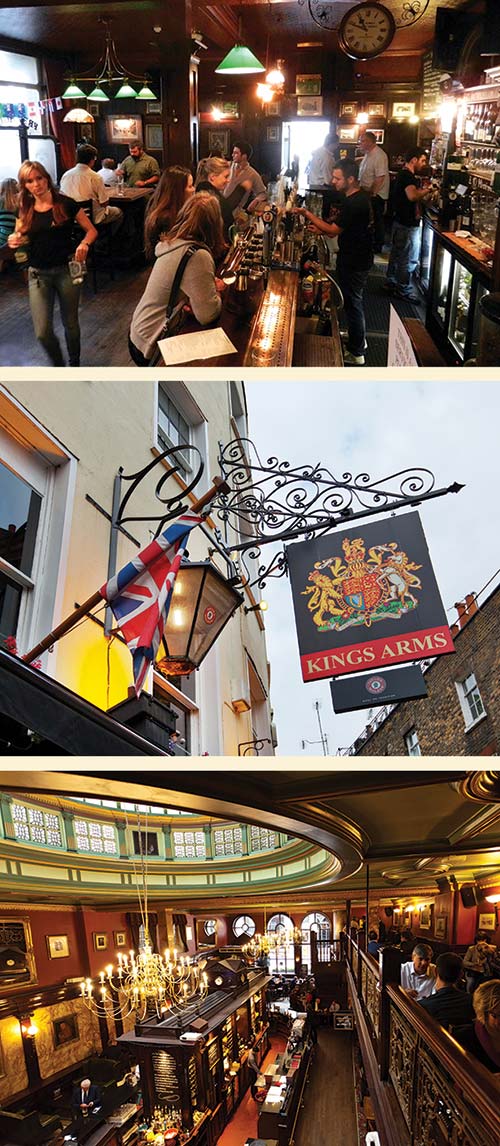
Pubs are neighborhood hangouts with a personality, a quaint name, and a cozy or even elegant setting.
Fancy late-Victorian pubs often come with heavy embossed wallpaper ceilings, decorative tile work, fine-etched glass, ornate carved stillions (the big central hutch for storing bottles and glass), and even urinals equipped with a place to set your glass. The “former-bank pubs” represent a more modern trend in pub-building: As banks increasingly go electronic, they’re moving out of lavish, high-rent old buildings. Many of these former banks are being refitted as pubs with elegant bars and freestanding stillions, which provide a fine centerpiece.
Pubs often serve traditional dishes, such as “bangers and mash” (sausages and mashed potatoes) and roast beef with Yorkshire pudding, but you’re just as likely to find pasta, curried dishes, and quiche.
And, of course, there’s the number-one reason people have always flocked to pubs: beer. The British take great pride in their brews. Many Brits think that drinking beer cold and carbonated, as Americans do, ruins the taste. Most pubs will have lagers (cold, refreshing, American-style beer), ales (amber-colored, cellar-temperature beer), bitters (hop-flavored ale, perhaps the most typical British beer), and stouts (dark and somewhat bitter, like Guinness). At pubs, long-handled pulls are used to pull the traditional, rich-flavored “real ales” up from the cellar. These are the connoisseur’s favorites: fermented naturally, varying from sweet to bitter, often with a hoppy or nutty flavor. Short-handled pulls mean colder, fizzier, mass-produced, and less interesting keg beers. Mild beers are sweeter, with a creamy malt flavoring. Irish cream ale is a smooth, sweet experience. Try the draft cider (sweet or dry)...carefully.
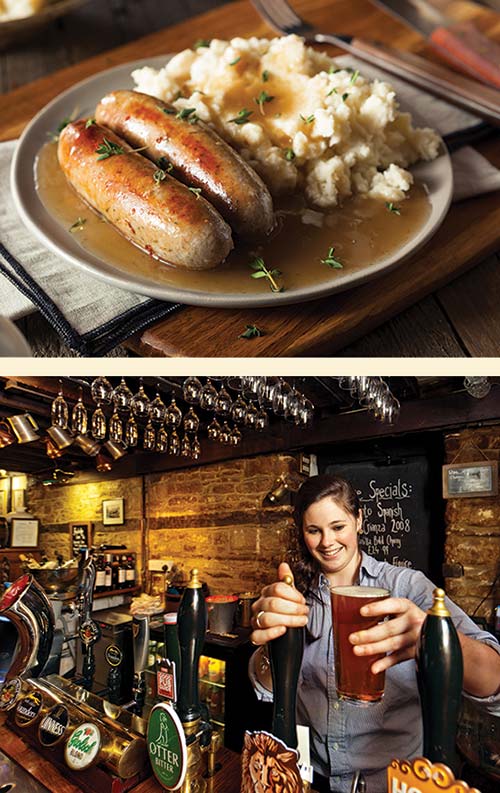
Pubs offer hearty food (such as bangers and mash), various ales and beer, and friendly service.
Like in days past, people go to a pub to be social. If that’s your aim, stick by the bar (rather than a table) and people will assume you’re in the mood to talk. Go pubbing in the evening for a lively time, or drop by during the quiet late morning (from 11:00) for some lunchtime grub.
No matter what time of day, a visit to a historic pub is an enriching experience. Slow down, try a local beer, and make yourself at home. You’ll likely gain a broader perspective, some interesting stories, and maybe even a new friend or two.
In the 20th century, the gritty urban culture of 1960s Liverpool gave the world the Beatles. London is a world in itself, with monuments (Big Ben), museums (British Museum), royalty (Buckingham Palace), theater, and nightlife, throbbing with the beat of the global community.
The English people have a worldwide reputation (or stereotype) for being cheerful, courteous, and well mannered. Cutting in line is very gauche. On the other hand, English soccer fans can be notorious hooligans. The English are not known for being physically demonstrative (hugging and kissing), but they love to talk. And when times get tough, they persevere with a stiff upper lip, dry wit, and a “keep calm and carry on” attitude.
England is set apart from its fellow United Kingdom countries (Scotland, Wales, and Northern Ireland) by its ethnic makeup. Traditionally, those countries had Celtic roots, while the English mixed in Saxon and Norman blood. In the 20th century, England welcomed many Scots, Welsh, and Irish as low-wage workers. More recently, it’s become home to immigrants from former colonies of its worldwide empire—particularly from India, Pakistan, Bangladesh, the Caribbean, and Africa—and to many workers from poorer Eastern European countries. These days it’s not a given that every “English” person speaks English.
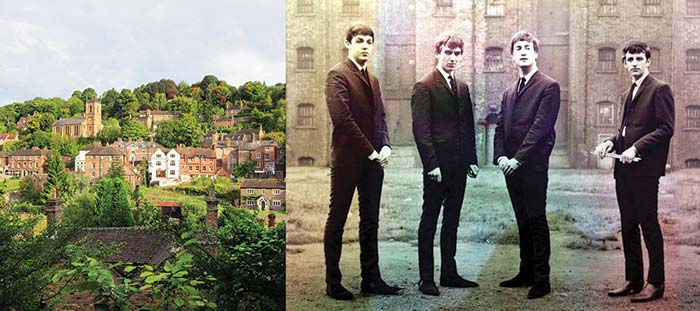
Changing the world: Ironbridge Gorge started the Industrial Revolution, while Liverpool gave birth to the Beatles.
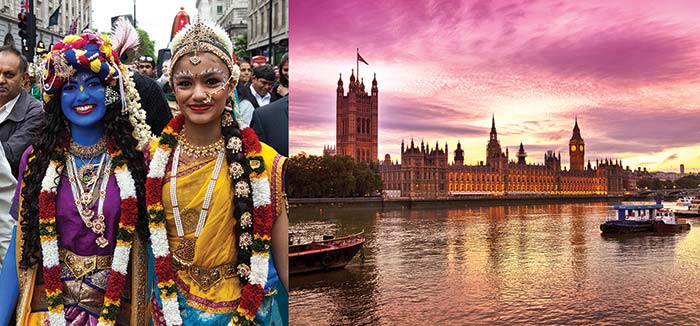
Cosmopolitan London celebrates cultural festivals. The Houses of Parliament honor centuries of tradition.
This is the current English paradox. England—the birthplace and center of the extended worldwide family of nearly one billion English speakers—is losing its traditional Englishness. Where Scotland, Wales, and Northern Ireland have their own parliaments and cultural movements to preserve their local languages and customs, England does not. Politically, there is no “English” party in the UK Parliament; England must depend on the decisions of the UK government at large. Many English people don’t really think of themselves as “English”—more as “Brits,” a part of the wider UK.
Today, England races forward as a leading global player. Whether the UK’s departure from the European Union (“Brexit”) speeds up or slows down England’s progress, the result is sure to be interesting. With its rich heritage, lively present, and momentous future, England is a culturally diverse land in transition. Catch it while you can.
England’s Top Destinations
There’s so much to see in England and so little time. This overview categorizes the country’s top destinations into must-see places (to help first-time travelers plan their trip) and worth-it places (for those with extra time or special interests). I’ve also suggested a minimum number of days to allow per destination.
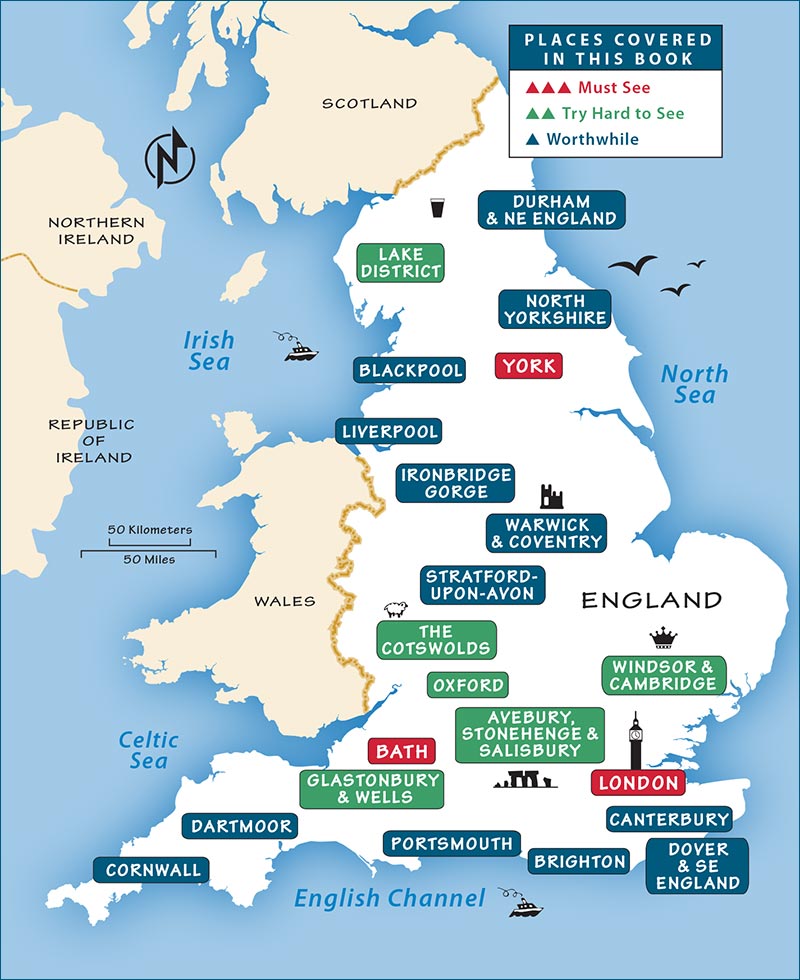

MUST-SEE DESTINATIONS
Three cities—cosmopolitan London, aristocratic Bath, and historic York—offer an excellent sampler of the best that England has to offer.
▲▲▲London (3-4 days)
London has world-class museums (British Museum, National Gallery, and many more), bustling markets, and cutting-edge architecture sharing the turf with the Tower of London and St. Paul’s Cathedral. Simply getting around is memorable—from double-decker buses and Thames river boats to chatty cabs and the hardworking Tube. Enjoy London’s cuisine scene, parks, grand squares, and palaces. Live theater takes center stage at night.
▲▲▲Bath (2 days)
Bath is a genteel Georgian showcase city, built around an ancient Roman bath. Its glorious abbey, harmonious architecture, engaging walking tours, and small-town feel make it a good candidate for your first stop in England. Fun day trips include Bristol, Wells, Glastonbury, Stonehenge, and more.
▲▲▲York (1-2 days)
This walled medieval town has a grand Gothic cathedral (with a divine evensong) and fine museums (Viking, Victorian, and railway). Classy restaurants hide out in the atmospheric old center, with its “snickelway” passages and colorful Shambles shopping lane.
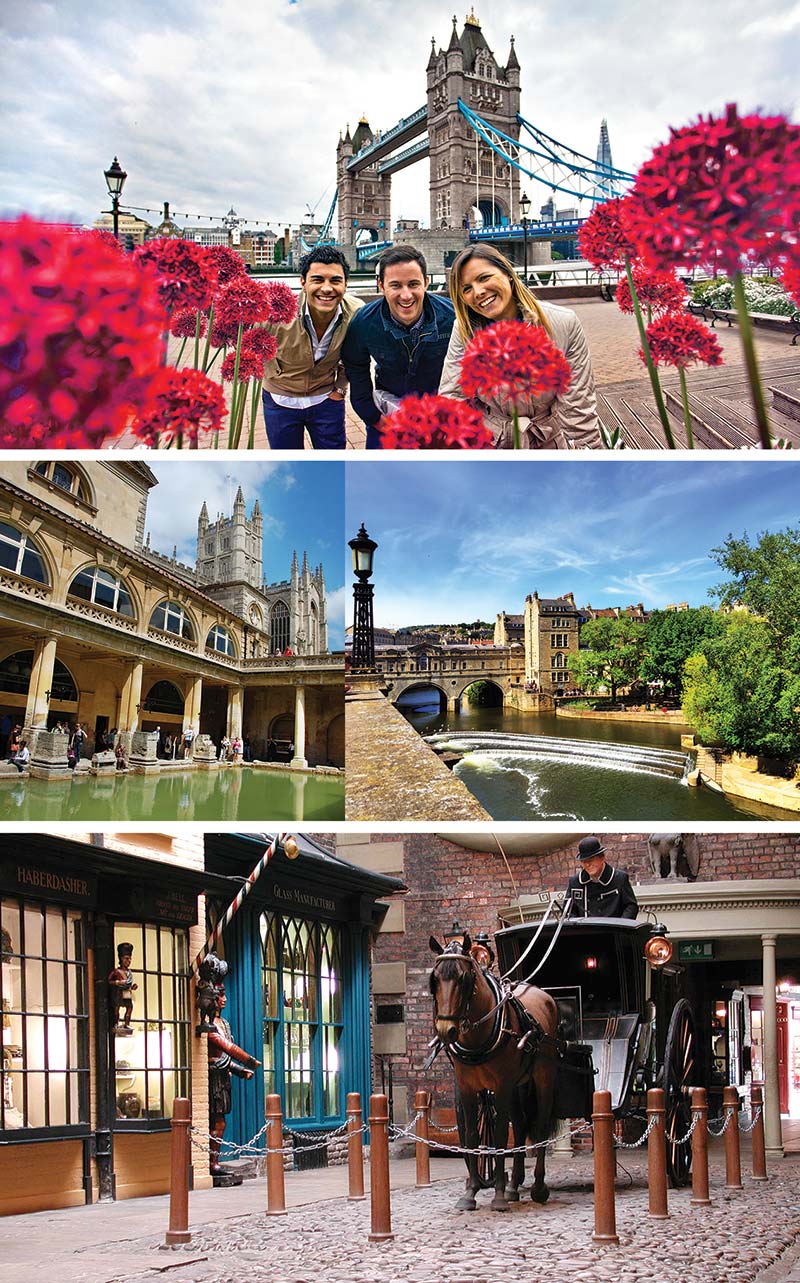
(Clockwise from top) London’s Tower Bridge; Bath’s riverside setting and ancient Roman Baths museum; York’s Castle Museum
WORTH-IT DESTINATIONS
You can weave any of these destinations—rated ▲ or ▲▲—into your itinerary. They’re listed in the order they appear in this book. It’s easy to add some destinations based on proximity (if you’re going to the Cotswolds, Stratford- upon-Avon is next door), but out-of-the-way places (such as Cornwall or Hadrian’s Wall) can also merit the journey, depending on your time and interests.
▲▲Windsor and Cambridge (1-2 days)
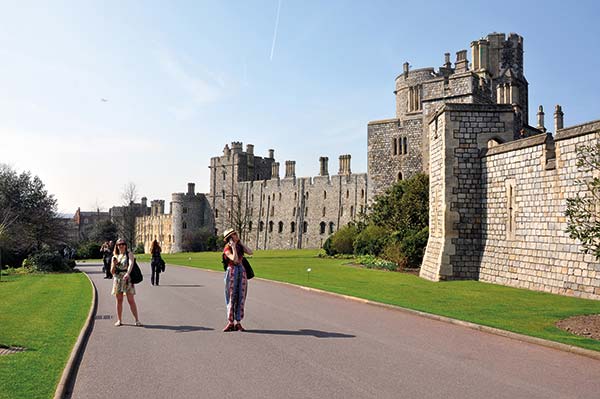
Good day trips from London include Windsor, starring the late Queen Elizabeth II’s impressive home-sweet-castle. Cambridge, one of England’s best university towns, features the stunning King’s College Chapel and Wren Library.
▲Canterbury (1 day)
The pleasant town, with England’s top church, became a pilgrimage site after Archbishop Thomas Becket was martyred here. Today, the town’s lively, compact core attracts more pedestrians and shoppers than pilgrims.
▲Dover and Southeast England (1-2 days)
Dover hosts an imposing castle, famous White Cliffs, and grand Channel views. Nearby are the lush Sissinghurst Gardens, the hill town of Rye, and the historic site of the Battle of Hastings.
▲Brighton (1 day)
The flamboyant beach resort on England’s south coast, with its amusement pier, Royal Pavilion, and viewpoint tower, makes a fun stop. Nearby are the chalky cliffs at Beachy Head, good for a drive or hike.
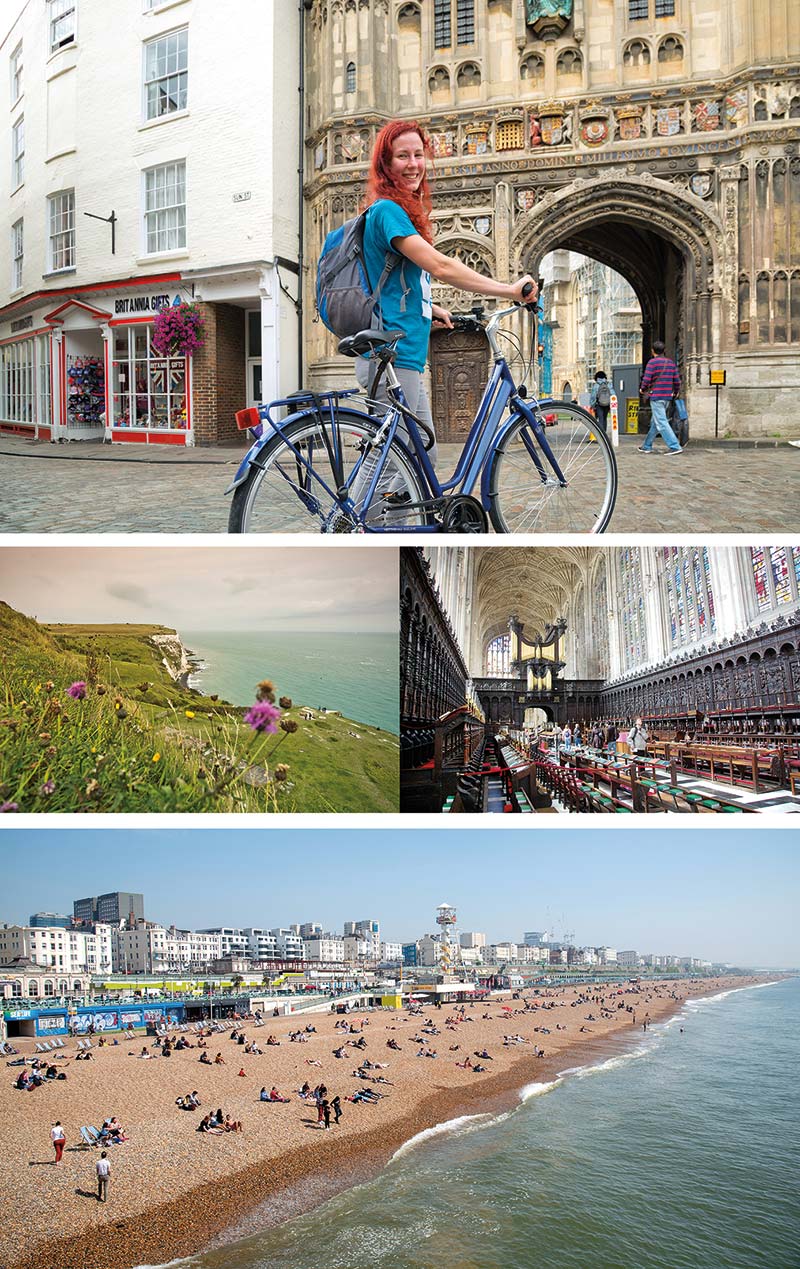
Canterbury’s fancy Christ Church Gate; the Gothic King’s College Chapel at Cambridge; a sunny day at Brighton beach; the White Cliffs of Dover

Visiting the Historic Dockyard in Portsmouth; wild ponies at Dartmoor National Park; Cornwall’s tiny Mousehole harbor; entry to Tintagel Castle
▲Portsmouth (1 day)
The revitalized shipbuilding city has top nautical sights (famous ships and naval museums) at the Historic Dockyard, plus Roman ruins and the stately Arundel Castle nearby.
▲Dartmoor (1 day)
This mysterious, desolate, moor-cloaked national park has wild ponies, hiking paths, and an ancient stone circle.
▲Cornwall (1 day)
The feisty western peninsula, littered with prehistoric ruins, sports the seaside resort towns of Penzance and St. Ives, the scenically windblown Penwith Peninsula, King Arthur’s supposed Tintagel Castle, and the tip of England at Land’s End.
▲▲Glastonbury and Wells (1 day)
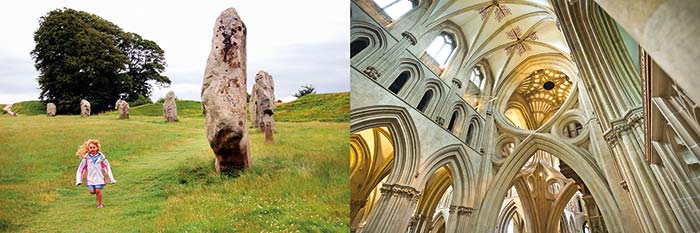
Little Glastonbury has a mystical New Age vibe, with its Holy Grail and King Arthur lore. The enjoyable town of Wells has an ingeniously fortified cathedral. Both towns are easy to visit from Bath.
▲▲Avebury, Stonehenge, and Salisbury (1 day)
For spine-tingling stone circles, see famed Stonehenge (worth ▲▲▲ on its own) and the larger, less touristy Avebury. Nearby is Salisbury and its striking cathedral.
▲▲Oxford (1 day)
The stately but youthful university town, with historic colleges and a host of esteemed literary alumni, has Blenheim Palace—one of England’s best—on its doorstep.
▲▲The Cotswolds (1-2 days)
These quaint villages—the cozy market town of Chipping Campden, popular Stow-on-the-Wold, and the handy transit hub Moreton-in-Marsh—are scattered over a hilly countryside, which can be fun to explore on foot, by bike, or by car.
▲Stratford-upon-Avon (half-day to 1 day)
Shakespeare’s pretty hometown, featuring residences that belonged to the bard and his loved ones, is the top venue for performances of his plays.
▲Warwick and Coventry (half-day to 1 day)
Warwick, England’s best medieval castle, has impressive fortifications and fun demonstrations. The inspiring town of Coventry, nearly destroyed in World War II, built its new St. Michael’s Cathedral amid the bombed-out ruins of the old one.
▲Ironbridge Gorge (half-day to 1 day)
Boasting the planet’s first iron bridge, this unassuming village was the birthplace of the Industrial Revolution, with sights and museums that tell the earth-changing story.
▲Liverpool (half-day to 1 day)
The rejuvenated port city is the Beatles’ hometown, with a host of related sights (including the homes of John and Paul), museums, and pub-and-club nightlife.
▲Blackpool (half-day)
This fun-loving beach resort has amusement piers, roller-coaster rides, and a long beach, offering a chance to mix with the English working class at play.
▲▲The Lake District (2 days)
This peaceful idyllic region, dotted with lakes, hills, and sheep, is known for its enjoyable hikes, joyrides, time-passed valleys, and William Wordsworth and Beatrix Potter sights.
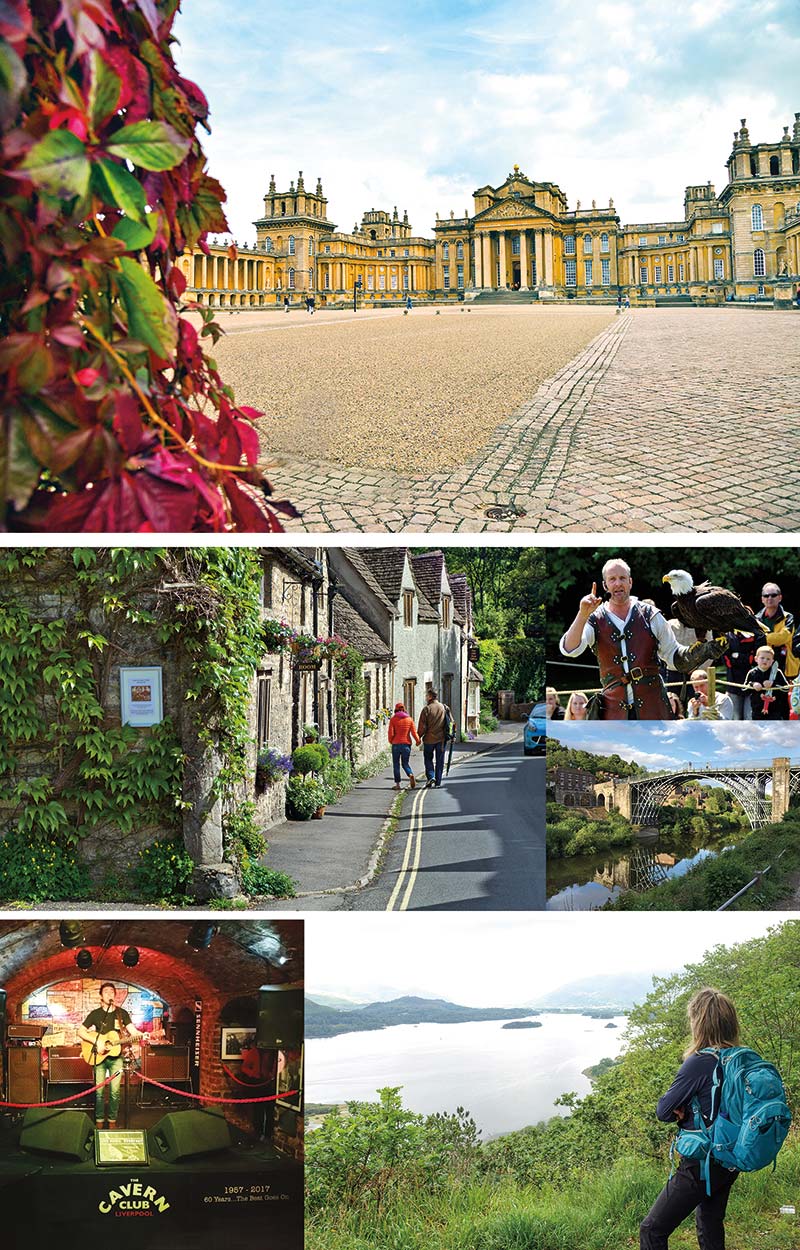
Blenheim Palace—one of Europe’s finest; falconer at Warwick Castle; namesake bridge at Ironbridge Gorge; hiking the Lake District; Liverpool’s iconic Cavern Club; ambling through a charming Cotswolds village
▲North Yorkshire (half-day)
In this pastoral region of hills and moors, drivers can choose among ruined abbeys, a castle, a POW camp museum, and the salty seaside towns of Whitby and tiny Staithes.
▲Durham and Northeast England (1-2 days)
The youthful workaday town has a magnificent cathedral, plus (nearby) an open-air museum, the Roman remains of Hadrian’s Wall, Holy Island, and Bamburgh Castle.
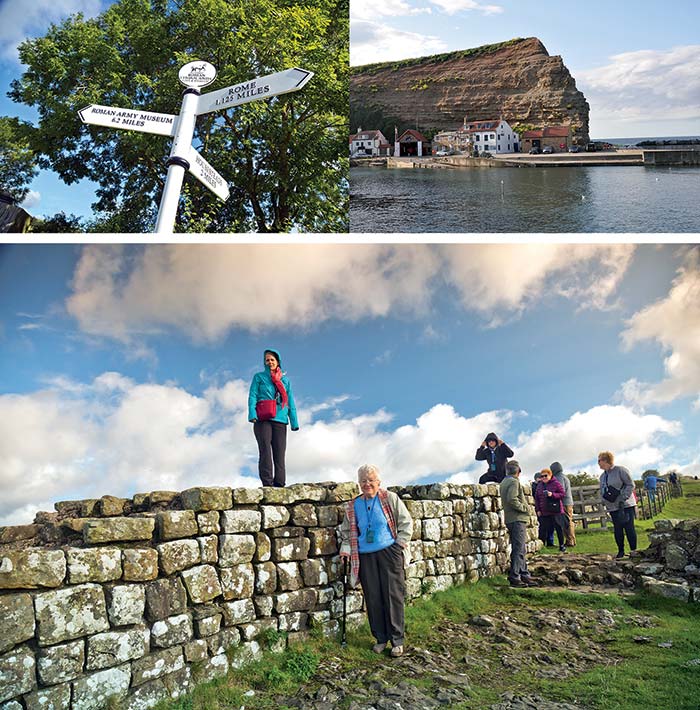
(Clockwise from top) The Vindolanda Fort & Museum; pint-size Staithes on the North Yorkshire coast; ancient Rome meets ancient Britain at Hadrian’s Wall
Planning Your Trip
To plan your trip, you’ll need to design your itinerary—choosing where and when to go, how you’ll travel, and how many days to spend at each destination. For general advice on sightseeing, accommodations, restaurants, and more, see the Practicalities chapter.
DESIGNING AN ITINERARY
As you read this book and learn your options...
Choose your top destinations.
My recommended itinerary (on the next page) gives you an idea of how much you can reasonably see in 20 days, but you can adapt it to fit your own interests and time frame.
If you enjoy big cities, you could easily spend a week in London. If villages beckon, linger in the Cotswolds. York and Bath are inviting, walkable towns with fascinating sights. Nature lovers get wonderfully lost in the Lake District and Dartmoor.
History buffs can choose their era: prehistoric (Stonehenge, Avebury), ancient Roman (Bath, Hadrian’s Wall), religious (Canterbury), medieval (York, Warwick Castle), Industrial Revolution (Ironbridge Gorge), or royal (Tower of London, Windsor, Blenheim).
Literary fans make a pilgrimage to Stratford (Shakespeare), Bath (Austen), and the Lake District (Wordsworth and Potter). Beatles fans from here, there, and everywhere head to Liverpool. For amusement-pier fun, stroll the arcades at the coastal resorts of Brighton or Blackpool.
This 20-day itinerary covers the top sights in England.
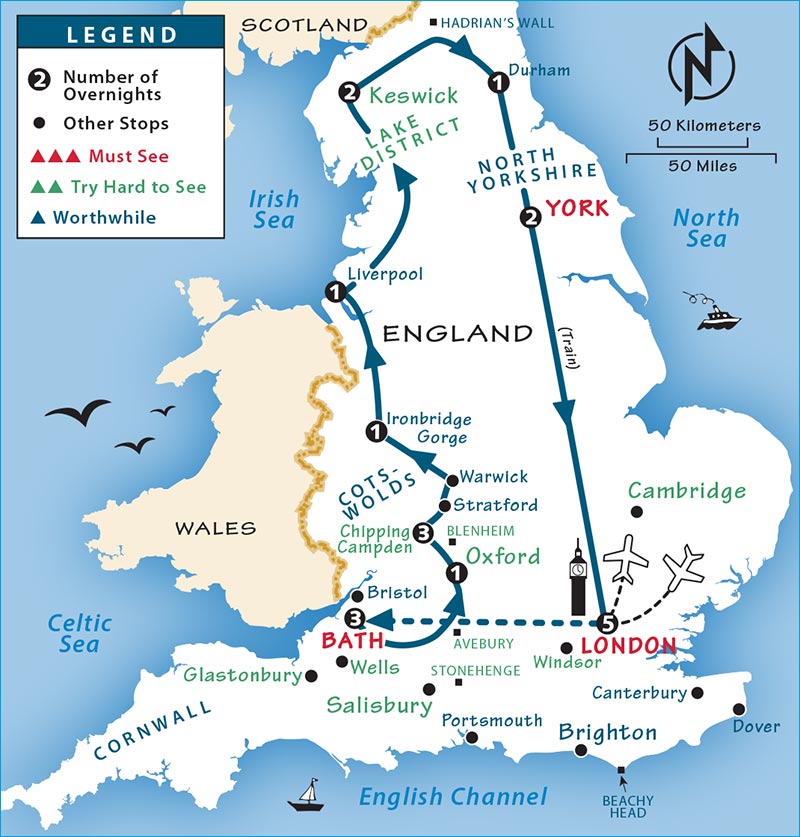
With More Time: You can easily combine this 20-day itinerary with my 11-day “South England Drive” (see here). Start with the south itinerary, ending in Bath. Then continue with day 4 of the main itinerary (Avebury and Blenheim to Oxford).
| Day | Plan | Sleep |
| 1 | Arrive in London, connect to Bath | Bath |
| 2 | Sightsee Bath | Bath |
| 3 | Pick up car, visit Stonehenge, Wells, and Glastonbury | Bath |
| 4 | Avebury, Blenheim Palace | Oxford |
| 5 | Oxford, evening to Cotswolds | Chipping Campden |
| 6 | Explore Cotswolds | Chipping Campden |
| 7 | More Cotswolds (plus evening in Stratford if you’ve booked a play) | Chipping Campden |
| 8 | Stratford, Warwick Castle, to Ironbridge Gorge | Ironbridge Gorge |
| 9 | Ironbridge Gorge, then Liverpool | Liverpool |
| 10 | To Lake District, visiting South Lake District en route to Keswick | Keswick area |
| 11 | Explore North Lake District (hikers may want an extra day) | Keswick area |
| 12 | Visit Hadrian’s Wall, then to Durham | Durham |
| 13 | Visit North Yorkshire, drop car in York | York |
| 14 | York | York |
| 15 | Morning train to London | London |
| 16 | Sightsee London | London |
| 17 | London | London |
| 18 | Day trips: Windsor, Cambridge, Brighton, or Canterbury/Dover | London |
| 19 | London or another day trip | London |
| 20 | Whew! |
Decide when to go.
July and August are peak season—with long days, the best weather, and a busy schedule of tourist fun. May and June can be lovely anywhere. Spring and fall offer decent weather and smaller crowds.
Winter travelers face few crowds and soft room prices (except in London), but sightseeing hours are shorter and the weather is reliably bad. In the countryside, some attractions open only on weekends or close entirely. While rural charm falls with the leaves, city sightseeing is fine. For weather specifics, see the climate chart in the appendix.
Connect the dots.
Link your destinations into a logical route. Determine which cities you’ll fly into and out of. Begin your search for trans-atlantic flights on Google Flights.
Decide if you’ll travel by car or public transportation, or a combination. A car is particularly helpful for exploring countryside destinations but is useless in big cities. Some travelers rent a car on site for a day or two and use public transportation for the rest. Trains are faster and more expensive than buses (which don’t run as often on Sundays).
To determine approximate travel times between destinations, study the driving map in the Practicalities chapter or check Google Maps; visit NationalRail.co.uk or Traveline.info for train schedules.
South England is best by car and worth a full week or more. Consider this 11-day trip from Canterbury to Cornwall to Bath. To meld this trip with my longer England itinerary, see here.
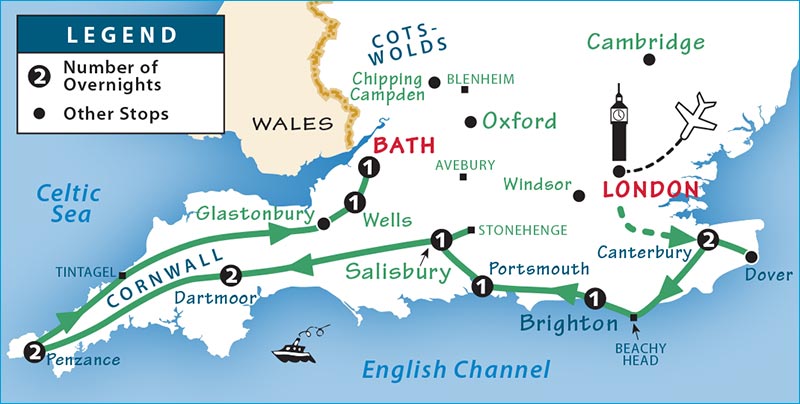
| Day | Plan | Sleep |
| 1 | Arrive in London, take the train to Canterbury | Canterbury |
| 2 | See Canterbury, pick up car, visit Dover | Canterbury |
| 3 | Drive to the Battle of Hastings site and Beachy Head | Brighton |
| 4 | Brighton and Portsmouth | Portsmouth |
| 5 | Finish Portsmouth and head to Salisbury | Salisbury |
| 6 | See Stonehenge early, then drive to Dartmoor | Dartmoor |
| 7 | Dartmoor National Park | Dartmoor |
| 8 | Visit Cornwall, then Penzance | Penzance |
| 9 | Explore the Penwith Peninsula | Penzance |
| 10 | Drive north to Tintagel and Glastonbury | Wells |
| 11 | Wells and Bath | Bath |
Without a Car: While less ideal, it’s possible to see most of the south by train or bus. Do the southeast sights (Canterbury, Dover, Brighton) as day trips from London. Skip Dartmoor and reach Penzance and Cornwall by train (and tour the peninsula via minibus from Penzance). Then visit Wells and Glastonbury by bus from Bath.
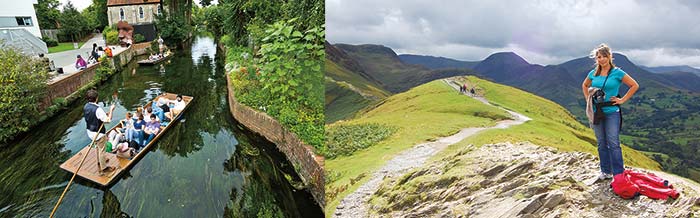
Expect a mix of sun and clouds, whether on the canals in Canterbury or the top-of-the-world Lake District.
Write out a day-by-day itinerary.
Figure out how many destinations you can comfortably fit in your time frame. Don’t overdo it—few travelers wish they’d hurried more. Allow enough days per stop (see estimates in “England’s Top Destinations,” earlier). Minimize one-night stands. It can be worth taking a late-afternoon drive or train ride to settle into a town for two consecutive nights—and gain a full, uninterrupted day of sightseeing.
Include sufficient time for transportation; whether you travel by train or car, it’ll take you a half-day to get between most destinations. Staying in a home base (like London or Bath) and making day trips can be more time-efficient than changing locations and hotels.
Take sight closures into account. Avoid visiting a town on the one day a week its must-see sights are closed. Check if any holidays or festivals fall during your trip—these attract crowds and can close sights (for the latest, visit England’s tourist website, www.visitbritain.com).
Give yourself some slack. Every trip, and every traveler, needs downtime for doing laundry, picnic shopping, people-watching, and so on. Pace yourself. Assume you will return.
Run a reality check on your dream trip. You’ll have major transportation costs in addition to daily expenses.
Flight: A round-trip flight from the US to London costs about $900-1,500, depending on where you fly from and when.
Public Transportation: For a three-week trip, allow $600 for second-class trains ($850 for first class), $60 for buses, and $30 for the London Tube. A BritRail England pass is a good value; buy it before you go.
Car Rental: Allow $350-500 per week (booked well in advance), not including tolls, gas, parking, and insurance.
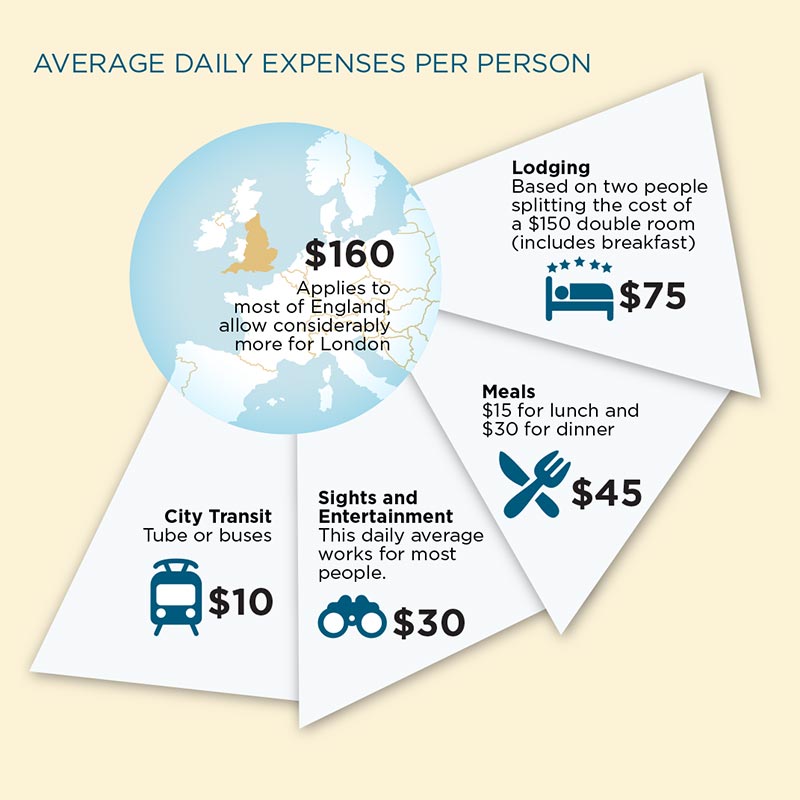
To cut your daily expenses, take advantage of the deals you’ll find throughout England and mentioned in this book.
City transit passes decrease your cost per ride. For example, it’s smart to get an Oyster card and load it with a 7-Day Travelcard if you’re staying in London for at least a week.
Avid sightseers buy combo-tickets or passes that cover multiple museums. If a town doesn’t offer deals, visit only the sights you most want to see, and seek out free sights and experiences (people-watching counts).
Some businesses—especially hotels and walking-tour companies—offer discounts to my readers (look for the RS% symbol in the listings in this book).
Reserve your rooms directly with the hotel. Some hotels offer a discount if you pay in cash and/or stay three or more nights (check online or ask). Rooms can cost less in spring and fall (May, June, Sept, and Oct). And even seniors can sleep cheaply in hostels (most have private rooms) for as little as $30 per person. Or check Airbnb-type sites for deals.
It’s no hardship to eat inexpensively in England. You can get tasty, affordable meals at pubs, cafeterias, chain restaurants, and fish-and-chips joints. Some upscale restaurants offer early-bird dinner specials. And groceries sell ready-made sandwiches. Cultivate the art of picnicking in atmospheric settings.
When you splurge, choose an experience you’ll always remember, such as an elegant afternoon tea or a splashy London musical. Minimize souvenir shopping; focus instead on collecting wonderful memories.
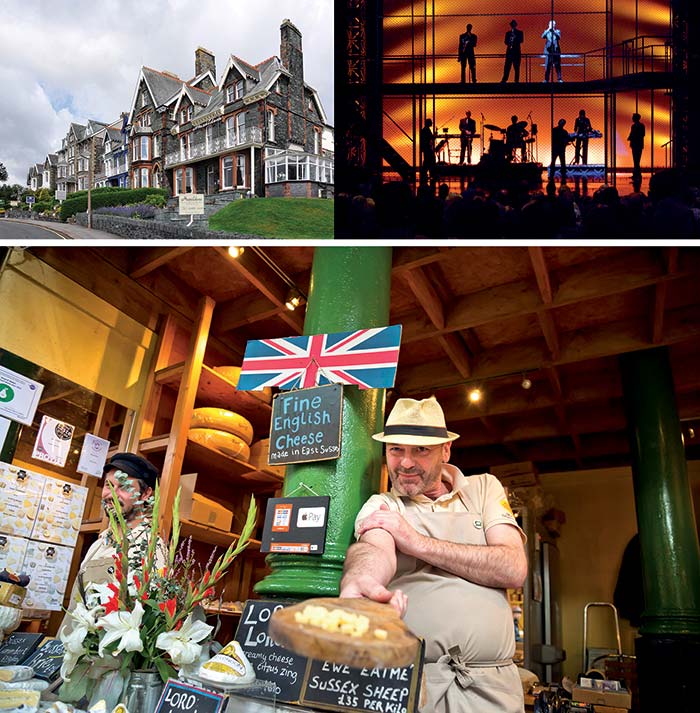
Keswick B&Bs in the Lake District; a London musical performance; nibble your way through London’s colorful Borough Market.

BEFORE YOU GO
You’ll have a smoother trip if you tackle a few things ahead of time. For more details on these topics, see the Practicalities chapter and RickSteves.com, which has helpful travel-tip articles and videos.
Make sure your travel documents are valid. If your passport is due to expire within six months of your ticketed date of return, you need to renew it. Allow 12 weeks or more to renew or get a passport. Be aware of any entry requirements: Get passport and country-specific travel info at Travel.State.gov.
Arrange your transportation. Book your international flights. Overall, Google Flights is the best place to start searching for flights. Figure out your transportation options: It’s worth thinking about buying train tickets online in advance, getting a rail pass, renting a car, or booking cheap British flights. (You can wing it once you’re there, but it may cost more.)
Book rooms well in advance, especially if your trip falls during peak season or any major holidays or festivals.
Reserve ahead for must-see sights, plays, and special tours. Many major sights sell tickets online in advance, helping you avoid ticket lines. Reservations are smart at most popular London sights, even some offering free entry. For advice, see the listings in this book. If there’s a show you’re set on seeing in London or Stratford, you can buy tickets before you go. At Stonehenge, most visitors are happy to view the stones from a distance, but to go inside the circle, you’ll need reservations. To tour the interiors of the Lennon and McCartney homes in Liverpool, reserve ahead.
Consider travel insurance. Compare the cost of insurance to the cost of your potential loss. Understand what protections your credit card might offer and whether your existing insurance (health, homeowners, or renters) covers you and your possessions overseas.
Manage your money. “Tap-to-pay” or “contactless” cards are widely accepted and simple to use. You may need your credit card’s PIN for some purchases—request it if you don’t have one. Alert your bank that you’ll be using your debit and credit cards in Europe. You don’t need to bring pounds for your trip; you can withdraw currency from ATMs in Europe.
Use your smartphone smartly. Sign up for an international service plan, or rely on Wi-Fi instead. Download any apps you’ll want on the road, such as maps and Rick Steves Audio Europe (see sidebar).
Pack light. You’ll walk with your luggage more than you think. I travel for weeks with a single carry-on bag and a day pack. Use the packing checklist in the appendix as a guide.
Rick Steves Audio Europe, a free app, makes it easy to download my audio tours and listen to them offline as you travel. For this book (look for the  ), free audio tours cover sights and neighborhoods in London. The app also offers my public radio show interviews with travel experts from around the globe. Scan the QR code to find it in your app store, or visit RickSteves.com/AudioEurope.


Rick Steves Classroom Europe, a powerful tool for teachers, is also useful for travelers. This video library contains about 600 short clips excerpted from my public television series. Enjoy these videos as you sort through options for your trip and to better understand what you’ll see in Europe. Check it out at Classroom.RickSteves.com.


Travel Smart
If you have a positive attitude, equip yourself with good information (this book), and expect to travel smart, you will.
Read—and reread—this book. To have an “A” trip, be an “A” student. Note opening hours of sights, closed days, crowd-beating tips, and whether reservations are required or advisable. Check the latest at RickSteves.com/update.
Be your own tour guide. As you travel, get up-to-date info on sights, reserve tickets and tours, reconfirm hotels and travel arrangements, and check transit connections. Visit local tourist information offices (TIs). Upon arrival in a new town, lay the groundwork for a smooth departure; confirm the train, bus, or road you’ll take when you leave.
Outsmart thieves. Pickpockets abound in crowded places where tourists congregate. Treat commotions as smokescreens for theft. Keep your passport and backup cash and cards secure in a money belt tucked under your clothes; carry only a day’s spending money and a card in your front pocket or wallet. Don’t set valuable items down on counters or café tabletops, where they can be quickly stolen or easily forgotten.
Minimize potential loss. Keep expensive gear to a minimum. Bring copies or take photos of important documents (passport and cards) to aid in replacement if they’re lost or stolen. Back up photos and devices to the cloud as you travel.
Guard your time and energy. Taking a taxi can be a good value if it saves you a long wait for a cheap bus or an exhausting walk across town. To avoid long lines, follow my crowd-beating tips, such as buying tickets in advance or sightseeing early or late.
Be flexible. Even if you have a well-planned itinerary, expect changes, strikes, closures, sore feet, bad weather, and so on. Your Plan B could turn out to be even better.
Connect with the culture. Interacting with locals carbonates your experience. Enjoy the friendliness of the English people. Ask questions; most locals are happy to point you in their idea of the right direction. Set up your own quest for the friendliest pub, grandest cathedral, best musical, or silliest name for a sweet treat. When an opportunity pops up, make it a habit to say “yes.”
England...here you come!